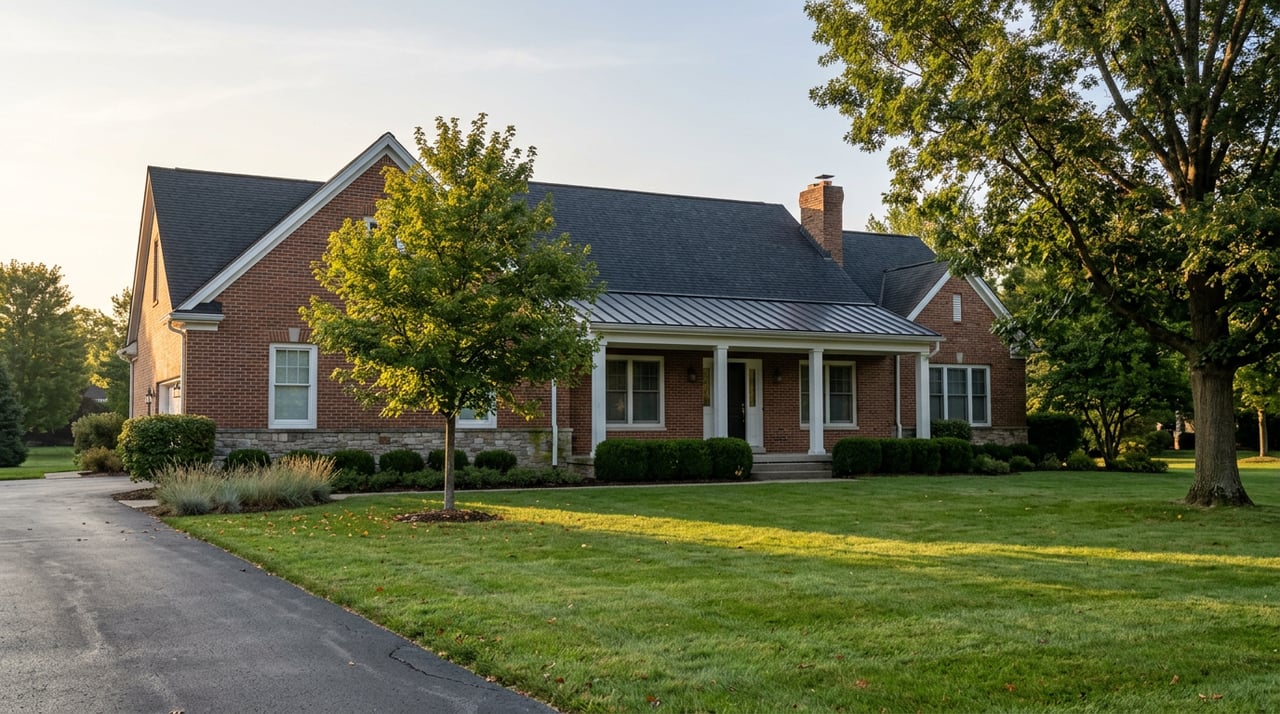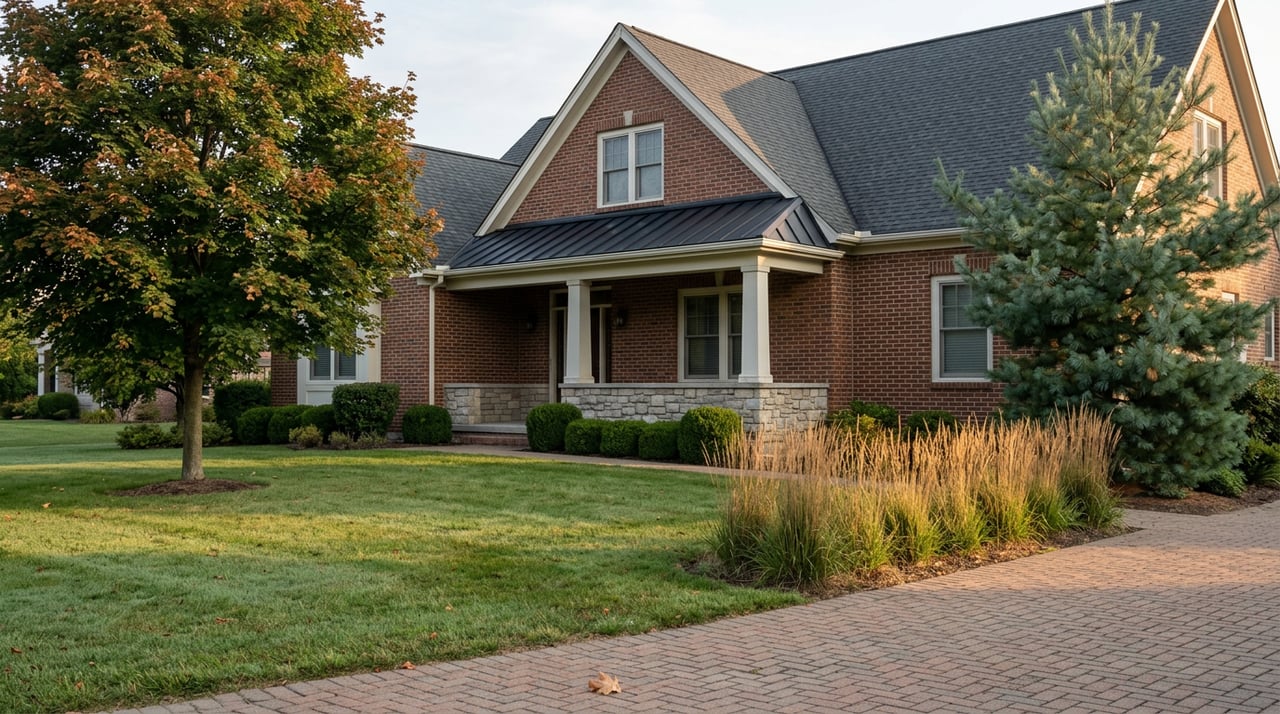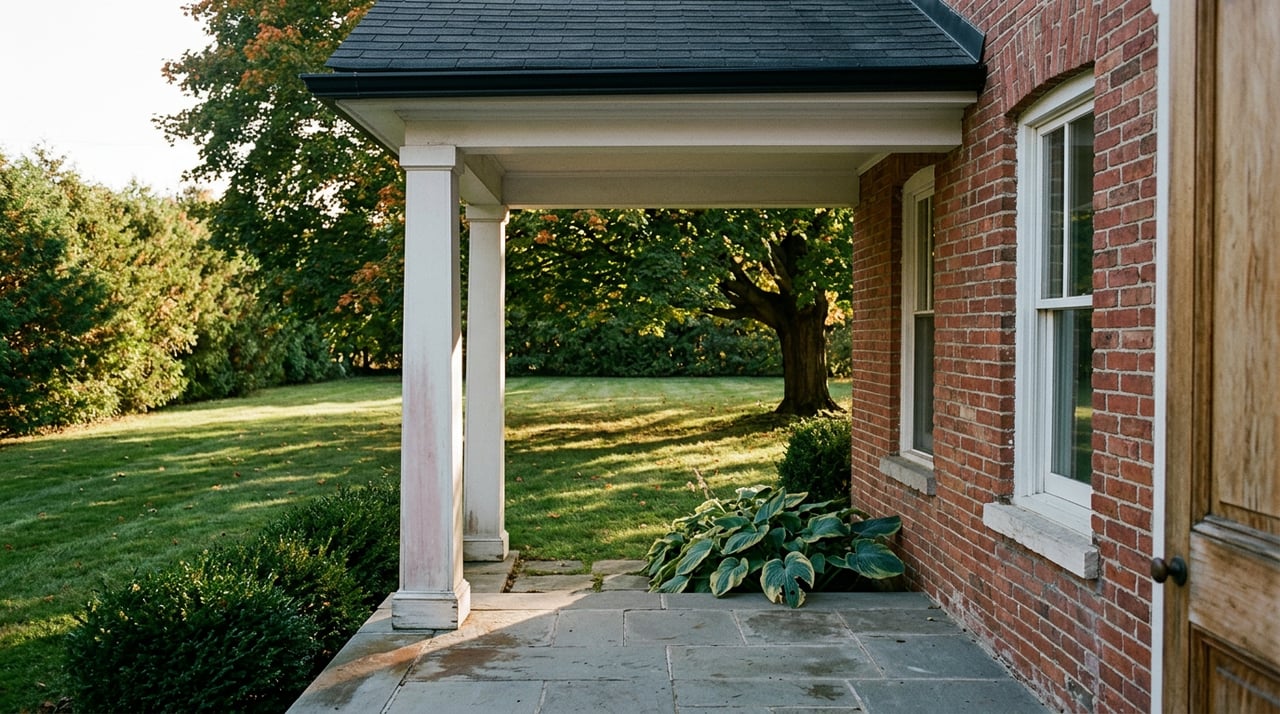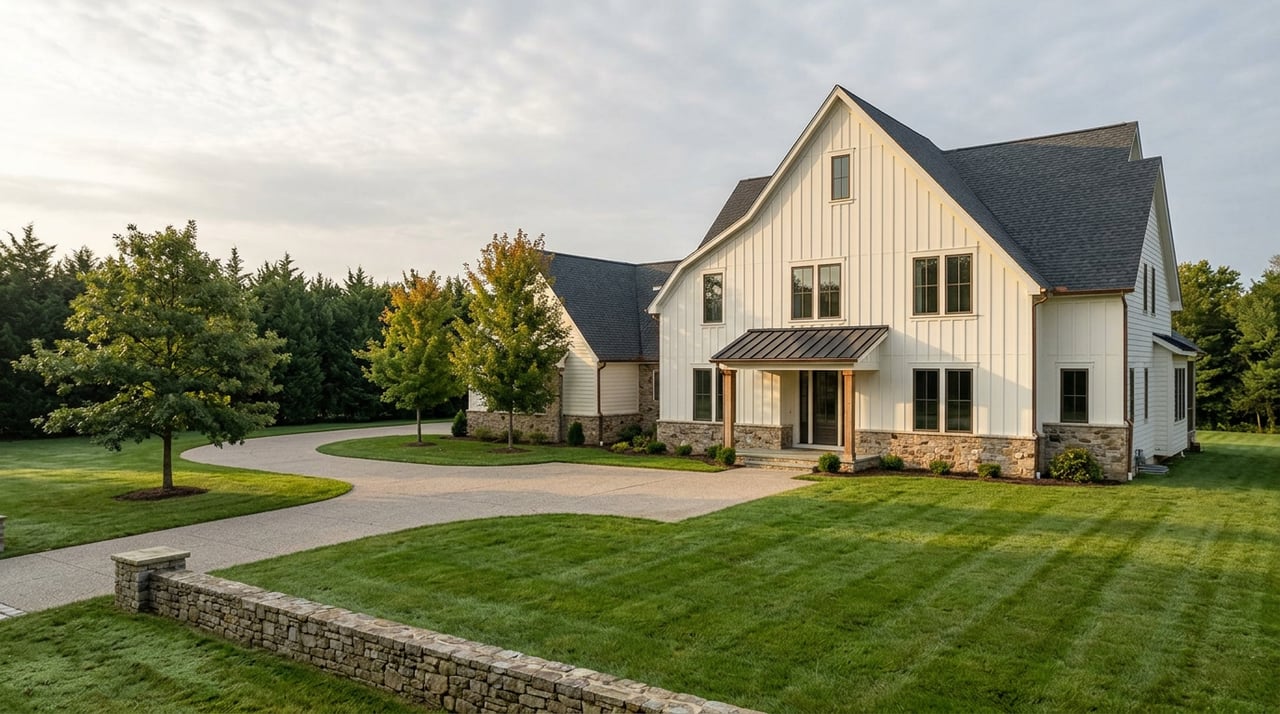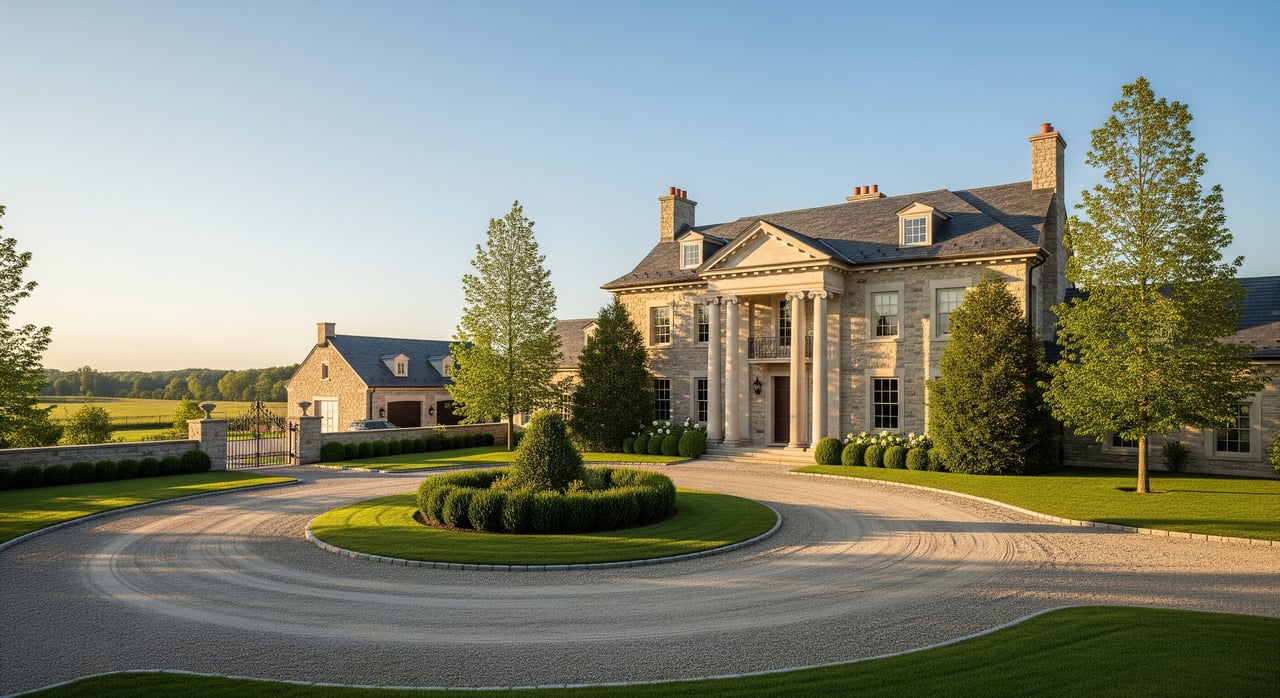
Space, privacy, and polish draw many buyers to St. George. You might see the term “estate home” in listings and wonder what that really means here in the County of Brant. You want clarity before you invest or decide how to position your own property. In this guide, you’ll learn what defines a St. George estate home, how it differs from a standard rural property, the local rules that matter, and the due diligence that protects your plans. Let’s dive in.
What “estate home” means locally
“Estate” is a market term rather than a legal designation. In St. George, it usually refers to a higher-end single-family home on larger grounds that deliver privacy and lifestyle features beyond a typical suburban lot. The County of Brant does not have a single “estate” zoning category. What counts is the look, feel, and use of the property.
Not a zoning label
- The County of Brant controls land use through its Official Plan and Zoning By-law. “Estate” is not one of those zones.
- Properties marketed as estates are often zoned Rural Residential, Rural, or Agricultural. Always check the specific zoning on the property you are considering.
- The label signals lifestyle and finish level rather than an official planning status.
Typical lot sizes
- Many St. George estates sit on lots from about 1 acre up to 10 or more acres.
- A common sweet spot is 2 to 5 acres, which allows for privacy, paddocks, and separation from neighbors.
- Properties over about 10 acres often begin to be viewed as hobby farms or agricultural holdings.
Signature features buyers expect
Estate buyers expect thoughtful design, premium finishes, and a curated setting. The details vary by property, but several themes are consistent in St. George.
Interior and architecture
- Larger floor areas, often 2,500 square feet or more.
- High-end kitchens, upgraded millwork, and luxury bathrooms.
- Multi-car garages and well-executed storage solutions.
- Custom or architecturally detailed exteriors.
Site planning and privacy
- Long driveways with generous setbacks from the road.
- Mature tree cover or planted privacy buffers.
- Gated entries and landscape lighting where appropriate.
- Formal landscaping and defined outdoor living spaces.
Outbuildings and amenities
- Detached garages, workshops, barns, or stables.
- Fenced paddocks, arenas, or small-scale hobby-farm infrastructure.
- Pools, terraces, gardens, and guest spaces such as a pool house or cottage.
Utilities and servicing
- Many estate properties rely on private wells and septic systems rather than municipal water or sewer.
- Hydro and gas access varies by lot location. Extending services can add cost.
- Entrance permits and driveway standards apply for rural roads.
Zoning, severances, and permits
Understanding the local planning context helps you avoid surprises. St. George is within the County of Brant, and properties may also be subject to conservation authority oversight.
Core planning documents to know
- County of Brant Official Plan sets policy for rural land use and lot creation.
- County of Brant Zoning By-law (for example, By-law 61-16 or its current consolidation) defines permitted uses, setbacks, and minimum lot sizes.
- Rural Residential or Rural zones typically permit single-detached homes on larger lots. Agricultural zones apply to working farms and come with different rules.
Lot creation and severances
- Severing an estate lot from agricultural land can be restricted.
- Minimum lot sizes, frontage, and the number of past severances matter.
- Conditions attached to prior consents can affect what you can build or add later.
Conservation and environmental controls
- The Grand River Conservation Authority regulates wetlands, watercourses, floodplains, and hazard lands.
- Natural heritage features may limit building envelopes or require setbacks and studies.
- If your plan includes new structures or grading, confirm whether GRCA permits are required.
Building and servicing rules
- Septic systems must meet Ontario Building Code standards and require permits and inspections.
- Private wells need water quality testing and should be assessed for capacity.
- Entrance permits and sightline standards apply for new or altered driveways.
- Some properties may have heritage designations or conservation easements that affect alterations.
Estate vs rural or agricultural properties
Not every country property is an estate. Here is how estate homes typically differ from standard rural or farm holdings in the St. George area.
Size versus use
- Estate properties emphasize residential luxury, privacy, and landscaped grounds.
- Agricultural properties emphasize productivity for crops or livestock, with rules that support farming use.
Design and infrastructure
- Estate homes tend to offer curated architecture, finished interiors, and detailed landscaping.
- You are more likely to find purpose-built outbuildings and higher-capacity servicing on an estate than on a basic country home.
Market positioning and demand
- Estate sellers aim for premium pricing based on quality and lifestyle.
- Niche amenities can narrow the buyer pool compared to typical suburban or modest rural homes.
- Distinctive, well-positioned estates near St. George can command strong prices when marketed to the right audience.
Financing and insurance
- Lenders may require specialized appraisals and checks for properties on wells and septic systems.
- Insurance can be higher for certain outbuildings or uses, such as equestrian facilities.
Value drivers in St. George estates
Several local factors influence what a St. George estate is worth and how quickly it sells.
Location and access
- Proximity to Brantford and the broader Hamilton and GTA corridor is a draw for commuters who want countryside living.
- Access to Highway 403 and 401, as well as regional commuter links where available, supports long-term demand.
- Nearby community amenities add convenience and appeal.
Land usability and amenities
- Functional outbuildings, fenced paddocks, and usable acreage score highly with equestrian and hobby-farm buyers.
- Mature trees, views, and privacy buffers are premium features in the rolling Brant County landscape.
- Defined outdoor living areas extend how you use the property year-round.
Servicing and future potential
- Engineered septic systems, reliable wells, and planned sites for future structures make a property more marketable.
- Options for accessory apartments or additional dwellings depend on zoning and severance history.
- The more flexible the property is for your future plans, the stronger its long-term value.
Constraints and risk
- Regulated floodplains, woodlands, or conservation easements can reduce usable area or add permit steps.
- Agricultural designations may limit severances and alternative uses.
- Farm tax classifications can affect property tax bills depending on use.
Market forces
- Interest rates, the growth of remote or hybrid work, and ongoing demand for rural living all shape the estate segment.
- Local inventory of larger acreage home sites is limited, which can support price stability for quality estates.
Due diligence checklist
Use this checklist to confirm key details before you buy or list your St. George estate.
Essential documents
- Current deed and legal description, including any rights-of-way, easements, or covenants.
- Zoning certificate and mapping from the County of Brant to confirm permitted uses and setbacks.
- Lot history, including prior severances, variances, and development agreements.
- Recent survey or reference plan to verify boundaries and building locations.
- Conservation authority mapping and any GRCA permits or conditions.
Technical inspections
- Potability and yield testing for the well, plus the well log if available.
- Septic inspection with records of pumping and maintenance.
- Full structural inspection of the home and major outbuildings.
- Environmental screening if there was prior agricultural or commercial use.
- Tree, soil, or erosion assessments for properties with slopes or watercourses.
Financial and operational items
- Current property tax assessment and bill, including any farm tax classification.
- Utility options and costs, including hydro, propane or natural gas, and internet service.
- Insurance availability and premiums for specialized uses such as stables.
- Maintenance estimates for driveway care, snow removal, septic pumping, landscaping, and outbuilding upkeep.
Planning for future use
- Confirm permit needs for pools, additions, new outbuildings, or changes in use such as boarding horses.
- If you plan to subdivide, seek preliminary guidance from County planning staff on feasibility.
- If you intend to operate a business on site, verify licensing, parking, and traffic considerations.
Financing and closing
- Ask your lender about requirements for rural properties with wells and septic systems.
- Plan for an appraisal that accounts for acreage, outbuildings, and unique amenities.
- Confirm any insurer restrictions related to equestrian or hobby-farm activities.
Buyer tips for St. George estates
- Define your lifestyle priorities first. Decide if you want equestrian facilities, a pool, or simply privacy and views.
- Verify zoning and conservation constraints early. This shapes what you can add later.
- Budget for servicing and maintenance. Private wells, septic systems, long driveways, and larger landscapes require ongoing care.
- Order specialized inspections for wells, septic systems, and outbuildings.
- Talk to your lender about rural property underwriting and appraisal expectations.
Seller tips to maximize value
- Gather documentation upfront. Surveys, septic and well records, zoning certificates, and any GRCA permits build buyer confidence.
- Service and showcase key systems. A recent septic pump and a clean well test can ease buyer concerns.
- Highlight usable land and improvements. Map paddocks, trails, or expansion pad sites so buyers see the potential.
- Present the property like a resort. Tidy driveways, lighting, gardens, and outdoor rooms make a strong first impression.
- Market to the right audience. Buyers for equestrian-ready or high-amenity estates are focused and motivated when the fit is right.
Common pitfalls to avoid
- Assuming “estate” status allows more flexible development. Zoning and conservation controls always apply.
- Overvaluing niche features without comps. Consult local market data and advisors for pricing.
- Skipping specialized inspections for wells, septic, and outbuildings. Small issues can become costly if missed.
- Underestimating maintenance. Larger properties need time and budget for year-round care.
Next steps
If an estate lifestyle in St. George fits your goals, focus on quality, usability, and a clear path for your future plans. Pair that with a careful review of zoning, conservation, and servicing to protect your investment. When you are ready to buy or bring your property to market, you deserve thoughtful, locally grounded guidance and premium exposure.
Connect with our team for bespoke advice and strategic marketing backed by Sotheby’s reach. To explore your options or to prepare a tailored sale plan, contact Alicia Haight. Book a property valuation and take your next step with confidence.
FAQs
Is “estate home” an official zoning term in St. George?
- No. It is a market descriptor. The County of Brant’s zoning by-law controls permitted uses and standards.
How large is a typical estate lot in the County of Brant?
- There is no legal minimum. In local practice, many estate homes sit on about 1 to 5 or more acres.
Do St. George estate properties usually have municipal water and sewer?
- Outside settlement areas, most rely on private wells and septic systems. Always confirm services for each property.
What permits might I need for barns or equestrian facilities?
- Permits are often required. Agricultural zones commonly allow barns, and locations near watercourses may involve conservation authority review.
Can I sever part of my estate property for another home?
- Possibly, but rural severances are tightly controlled. Prior severances, lot sizes, and official plan policies all affect feasibility.
What inspections should I order before buying an estate in St. George?
- Arrange a general home inspection plus septic, well water and yield testing, and structural checks for major outbuildings. Add environmental screening if past uses warrant it.