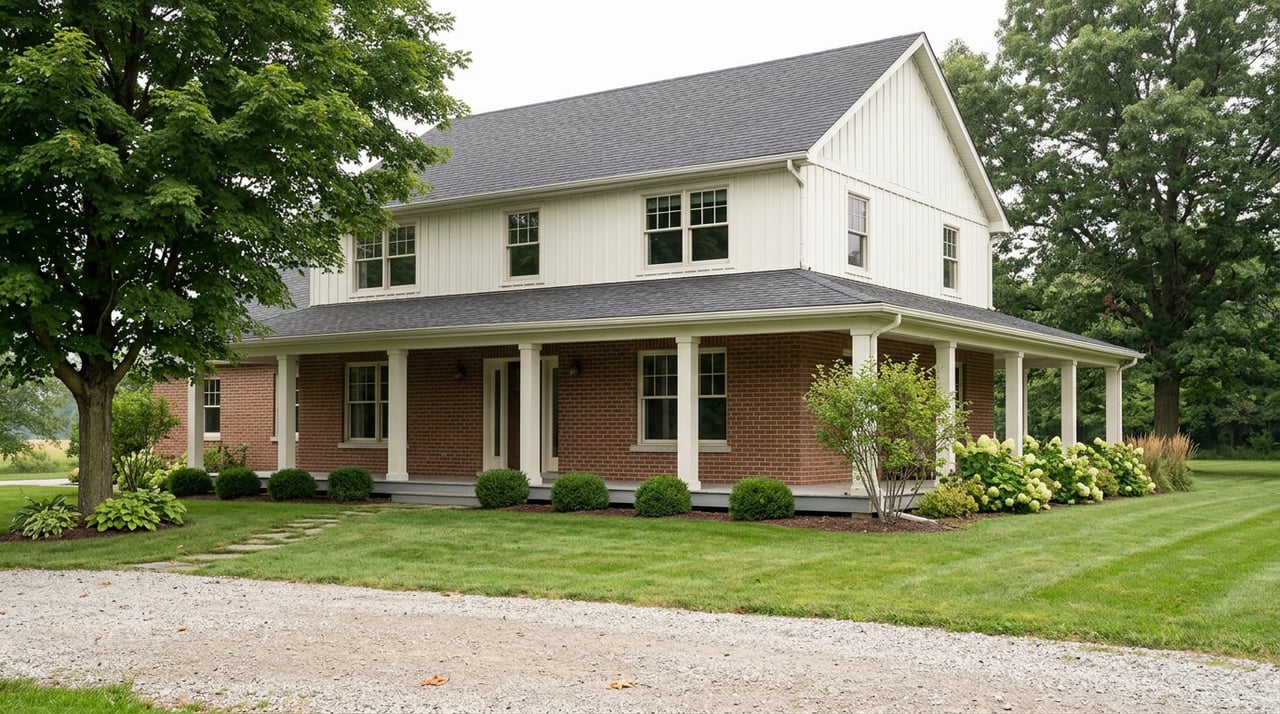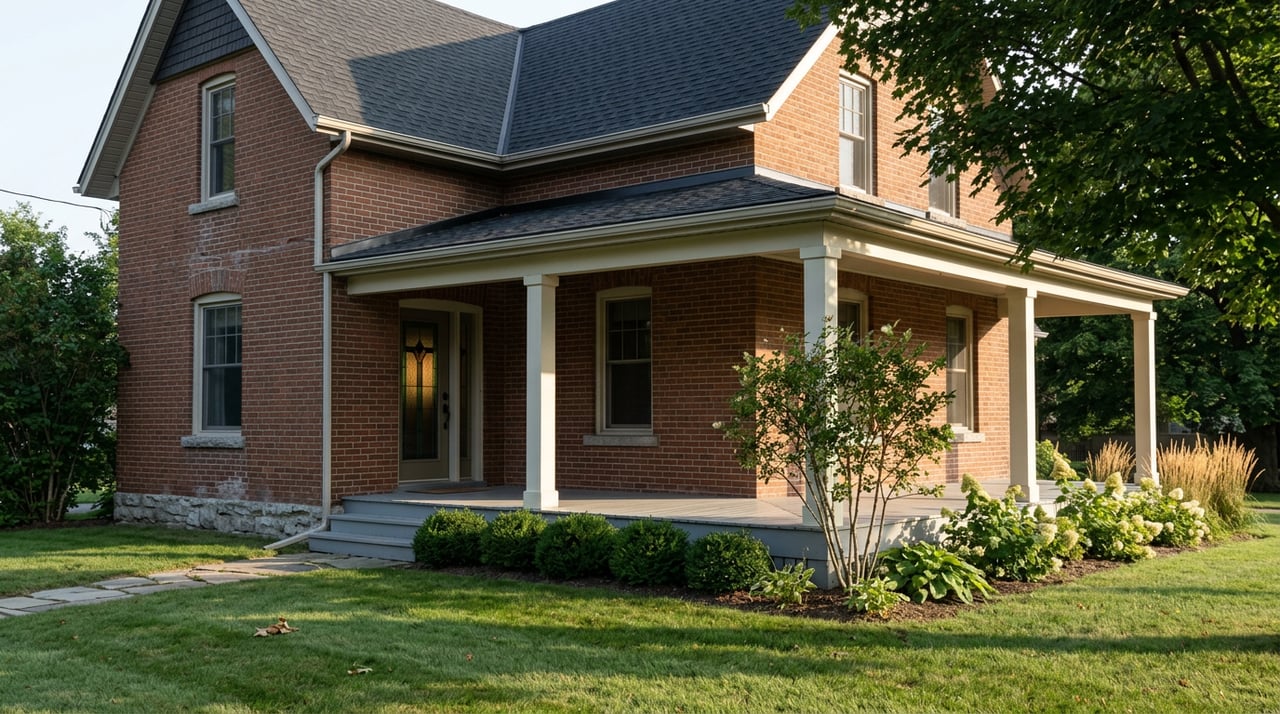
Craving more space and a quieter setting, but not sure if an estate property or a hobby farm fits your next move? You are not alone. Many St. George buyers love the idea of land, outbuildings, and privacy, but the rules and ongoing care can feel complex. This guide breaks down lifestyle differences, costs, zoning, water and septic basics, animal rules, GRCA permits, and taxes for St. George and the County of Brant, plus a simple checklist you can use before you write an offer. Let’s dive in.
Estate vs. hobby farm: real definitions in St. George
“Estate property” is a marketing term, not a legal land use. It usually signals a larger lot, more privacy, and possibly a detached garage, shop, or landscaped grounds. What you can build and how you can use the land is set by the County’s zoning by-law and mapping, not by the listing description. Always confirm permitted uses, setbacks, and accessory building limits for the exact parcel using the County’s zoning map service.
“Hobby farm” is also an informal term. Small gardens, a few animals, or a small barn can fit the lifestyle, but whether a property is treated as a “farm” for tax purposes depends on how it is used and whether it qualifies for Ontario’s Farm Property Class Tax Rate program. To receive the farm tax rate, the land must be assessed as farmland by MPAC and be used in a farm business that earns at least $7,000 in gross farm income with a valid Farm Business Registration number. Many hobby properties do not meet these thresholds and therefore pay residential tax rates. Review the eligibility rules on Agricorp before you count on farm‑class taxes.
- Check zoning controls and mapping: use the County’s public zoning map service.
- Review farm tax eligibility and the $7,000 gross income rule on Agricorp.
Where you buy in St. George matters
The County of Brant’s new Official Plan, adopted May 30, 2023 and approved October 18, 2024, sets land use designations and policies that shape what you can do on a property. Parcels in the St. George settlement area have different expectations for services and future growth than parcels in Agricultural or Rural/Countryside areas. If you are deciding between in‑town privacy and true country living, that boundary matters for permitted uses, potential severances, and servicing.
- Review the Official Plan to see where a parcel sits and what policies apply.
- The County’s Housing Needs work also proposed enabling up to four units as of right on fully serviced lots in Paris and St. George. If you value long‑term flexibility on a serviced lot, monitor this work and confirm the current status with County planning staff.
Water, wells and septic basics
Water and sewage servicing drive both lifestyle and financing. Parts of St. George are on municipal water supplied by groundwater wells. In September 2023, the County completed the St. George Water Servicing Environmental Study Report, which recommends added well and treatment capacity to support redundancy and future growth. If you are near planned service areas, it is worth asking whether municipal connections may be available later.
If you are outside the serviced area, expect a private well and septic system. Build these steps into your offer and timeline:
Well due diligence. Ask for the well record and complete bacteriological testing. Grand Erie Public Health provides local pickup and drop-off for free bacterial tests. Consider adding a chemical test if you want a fuller water profile.
Septic due diligence. Septic systems fall under the Ontario Building Code. Commission a licensed septic inspection, confirm permits and any past repairs, and schedule a pump‑out if due. Many lenders and insurers require proof the system is serviceable, so include well and septic conditions in your offer.
Learn about the St. George Water Servicing ESR here.
See local well testing info through Grand Erie Public Health.
Review typical well and septic condition practices used in Ontario offers.
Animals, outbuildings and setbacks
Keeping horses, a larger flock of hens, or other livestock changes your planning steps. Zoning controls what animals are permitted, where you can place barns or coops, and the size and location of outbuildings. In St. George and the County of Brant, always confirm the property’s active zone and any site‑specific exceptions before you plan facilities or buy materials.
Backyard hens. On February 25, 2025, County Council passed By‑law 13‑25 to permit backyard hens in certain non‑urban residential zones, subject to a local by‑law. If a small flock is part of your plan, confirm your zone and current by‑law requirements with County staff.
MDS rules. Ontario’s Minimum Distance Separation guidelines set required setbacks between livestock facilities or manure storage and sensitive uses like homes. MDS applies to new livestock buildings, some severances, and lot creation. If animals are part of your move, have MDS I or II calculated for the property and your intended use.
Outbuildings and shops. Accessory building sizes, lot coverage, and setbacks vary by zone. If a property already has large structures, request permit history. Unpermitted buildings may require retroactive permits or alterations.
Check your parcel’s zoning and accessory building rules.
Review the County’s Backyard Hen program notice from February 25, 2025.
See Ontario’s official MDS guidelines.
Conservation and natural hazards
The Grand River Conservation Authority (GRCA) regulates development in mapped river and stream valleys, certain wetlands, and hazard lands across the watershed. If a St. George property touches a GRCA regulated area, you will need a permit from GRCA in addition to municipal approvals for most construction or land‑altering work. Build this check into your first week of due diligence.
- Use GRCA’s Map Your Property tool to see if any part of a parcel is regulated and to start permit discussions early.
Insurance, financing and resale
Country and estate properties can carry different insurance and lending requirements than in‑town homes. Premiums may be higher for outbuildings, barns, wood‑burning appliances, or remote access. If you plan to keep animals or use a workshop, confirm coverage types and limits with your insurer before you waive conditions.
On the lending side, most rural lenders want confirmation of potable water, a functioning septic system, and sometimes well agreements for shared wells. Bring a mortgage broker into the process early so you know exactly what the lender will require. Getting clear on these items reduces risk and helps you protect resale value when you become a seller.
Quick decision guide: estate or hobby farm?
You might lean toward an estate property if you want:
- Privacy and landscaped grounds with lower day‑to‑day upkeep than a working acreage.
- A large garage or shop for storage, vehicles, or hobbies within zoning limits.
- Faster insurance and financing approvals without livestock considerations.
- Potential long‑term flexibility if you are within the serviced St. George area and policy evolves.
You might lean toward a hobby farm if you want:
- Usable acreage for gardens, small barns, paddocks, or horses.
- A clear plan for animals and structures that fits zoning and MDS.
- Acceptance that many hobby operations pay residential tax rates unless they meet the $7,000 gross farm income and FBR requirements.
- Hands‑on maintenance of wells, septic, driveways, fencing, and outbuildings.
St. George buyer checklist
Use this as your first‑week action plan. Save or print it for your file.
- Zoning and permitted uses. Confirm the property’s active zone, accessory building limits, and any site‑specific policies in the County’s Official Plan. Ask County planning staff for written confirmation if you need certainty.
- GRCA mapping. Run the parcel through GRCA’s Map Your Property tool. If any part is regulated, contact GRCA to understand permit timelines and constraints.
- Servicing status. Identify if the property is on municipal water or a private well. If on a well, obtain the well record, complete bacteriological testing, and consider chemical testing. Review the St. George Water Servicing ESR for any planned municipal upgrades near you.
- Septic inspection. Book a licensed septic inspection and pump‑out if due. Ask for records of prior repairs, permits, or an as‑built for the leaching bed. Include a septic condition in your offer.
- Animals and MDS. If you plan to keep animals, request an MDS calculation for the intended use. Confirm manure storage and placement meet guidelines.
- Farm tax status. If reduced farm tax rates matter, verify MPAC assessment class and eligibility through Agricorp. If you will not meet the $7,000 gross farm income threshold, plan for residential rates.
- Title and easements. Have your lawyer check for rights‑of‑way, shared wells or driveways, conservation easements, and restrictive covenants. Ask about any buried services or tile drains.
- Insurance and lender pre‑checks. Obtain insurance quotes for the exact property and use. Ask your lender or broker about conditions tied to water, septic, and outbuildings.
- Backyard hens. If you want a small flock, confirm your zone and the February 25, 2025 backyard‑hen by‑law details with County staff.
Helpful references as you work through the list:
- County of Brant Official Plan (approved October 18, 2024).
- County zoning map service for parcel‑level rules.
- GRCA Map Your Property for regulated areas and permits.
- St. George Water Servicing Environmental Study Report (September 2023).
- Ontario MDS guidelines for livestock and manure setbacks.
- Agricorp farm property tax eligibility and FBR requirements.
- County Housing Needs update for the latest on serviced‑lot flexibility in St. George and Paris.
- Grand Erie Public Health well testing information for Brant.
- Ontario well and septic condition practices used in offers.
Ready to explore your options?
Whether you are picturing a tucked‑away estate with a dream workshop or a tidy hobby acreage with room for gardens and a small barn, the right guidance makes all the difference. Our team pairs local, boots‑on‑the‑ground knowledge in St. George and Brant County with the strategic, high‑touch approach you expect for premium properties. If you want a quiet, confident path to purchase or sale, let’s talk. Book a property valuation or set up a private planning call with Alicia Haight.
FAQs
What is the key difference between an estate property and a hobby farm in St. George?
- “Estate” describes lifestyle and lot size, while “hobby farm” describes small‑scale agricultural use; legal rules come from the County’s zoning and Official Plan, not the listing label.
How do farm property taxes work for small operations?
- Ontario’s farm tax class requires MPAC farmland assessment, at least $7,000 in gross farm income, and a valid Farm Business Registration number through Agricorp; many hobby farms pay residential rates.
Do I need a permit from GRCA to build on my property?
- If any part of your property is within a GRCA regulated area, you will likely need a GRCA permit in addition to municipal approvals for construction or land‑altering work.
Are backyard hens allowed in the County of Brant?
- As of February 25, 2025, a County by‑law permits backyard hens in certain non‑urban residential zones; confirm your specific zone and current rules with County staff.
What water and septic checks should I include in my offer?
- Obtain the well record, complete bacteriological testing, and book a licensed septic inspection; include well and septic conditions since lenders and insurers often require proof of serviceability.