Thinking about selling your Paris heritage or Grand River–view home? Timing and preparation can make a real difference in your final price and days on market. You want the right buyers to see your home at its best, with clear answers to the questions they care about most. In this guide, you will learn when to list in Paris, how heritage and river factors affect your timeline, and the exact steps to prepare with confidence. Let’s dive in.
Best times to sell in Paris
Spring brings the largest buyer pool
Spring in Ontario, especially March through May, is typically the most active season for listings and showings. In Paris and Brant County, that is when you can expect the deepest pool of buyers and the strongest overall exposure. If you can align your prep work with a spring launch, you often benefit from more eyes on your listing and more energy in the market.
Late summer and fall can be strategic
If spring is not realistic, consider September and October. Many buyers refocus after summer holidays, and the Grand River setting shows beautifully with late summer light and early fall color. This window can be a strong second choice for river-view homes and for sellers who need a bit more time to gather documents or complete light improvements.
When winter can still work
Winter usually brings lower inventory and fewer active buyers. That said, serious buyers in winter face less competition, and unique properties can still shine with targeted marketing. If you must list in winter, plan for extra lead time to build a strong presentation and reach the right niche audience.
Heritage homes: what affects timing
Confirm designation and approvals
If your property is designated under the Ontario Heritage Act, or sits within a heritage conservation district, municipal heritage controls may guide what can be altered. If you plan visible changes before selling, allow extra time for any required heritage approvals. Depending on scope and local timelines, heritage permits can add weeks to months, so it is smart to start early.
Address condition and common buyer concerns
Older and heritage homes often raise questions about roofs and flashing, chimneys, foundations, electrical panels and wiring, plumbing, insulation, windows, and HVAC. Buyers of character homes value original features but worry about hidden costs. A pre-listing inspection from a professional experienced with older homes helps you tackle safety or system items first and build trust with buyers.
Create a clear “heritage packet”
Buyers respond well to documentation. Assemble designation bylaws, any prior heritage permit approvals, records of compliant work, contractor invoices, and maintenance or conservation reports. Add clear photos of restored details, like mouldings, stained glass, or masonry. Good documentation reduces uncertainty and can speed up offers.
River and Grand River factors to plan for
Understand floodplain and conservation oversight
Much of the Grand River corridor falls under the Grand River Conservation Authority. If your parcel is in a regulated area or mapped floodplain, permitted changes and shoreline work may be subject to review. Obtain GRCA mapping and any related correspondence early, then include it with your listing materials. Transparency improves buyer confidence.
Set expectations on insurance and risk
Flood risk can affect insurance availability and premiums. In Canada, overland flood coverage may be limited under standard policies, so buyers will often ask about eligibility and cost. Prepare a simple summary of what you know and encourage buyers to confirm options with their insurers. If shoreline stability has been addressed, gather permits or engineer memos to show responsible stewardship.
Document common river-site details
Shoreline condition, erosion control, septic and well information, elevation and access can all matter. Provide surveys that confirm property lines and any easements or public pathways along the river. Buyers want the view, and they also want proof that the site is safe, well maintained, and clearly understood.
A practical pre-listing timeline
Here is a realistic countdown to help you work backward from your ideal launch window:
- Weeks 0–1: Decide on your selling window and hire a local REALTOR with heritage and river experience in Paris and Brant County.
- Weeks 1–2: Gather documents. Pull title, survey, building permits, heritage designation bylaws, prior approvals, contractor invoices, inspection files, flood history notes, and any GRCA correspondence.
- Weeks 2–6: Book inspections and reports. Arrange a general pre-listing inspection by a pro familiar with older homes. If heritage questions are complex, consider a conservation or architectural assessment. For river properties, request GRCA mapping and written confirmation of regulated status.
- Weeks 3–8: Complete targeted repairs. Address safety and system items first. If you plan visible improvements that might need heritage approval, start now and allow 8 to 12 weeks or more depending on scope.
- Weeks 4–10: Stage and prep marketing. Use heritage-sensitive staging, create floor plans, and schedule professional photography. For river views, add drone and twilight images, following Transport Canada rules for aerial work.
- Weeks 6–12: Go live. Aim for March through May if possible. If you need more time, a September or October debut can still be excellent for river-view and lifestyle-focused buyers.
If you plan to sell as-is and skip repairs, the timeline can be shorter. If you intend to complete major heritage or shoreline work, allow 3 to 6 months or more.
Pricing a rare property with confidence
Work with scarce comparables
True river-view or designated heritage comparables can be limited in Paris. Price is still anchored by recent sales, yet premiums vary based on view quality, depth of heritage character, system updates, lot privacy, and flood or conservation constraints. An experienced local advisor can adjust for scarcity and current market sentiment.
Use a measured test-and-learn approach
If you are uncertain about the top of the market, consider a thoughtful launch strategy. Watch buyer response in the first one to two weeks and discuss next steps with your agent. For distinctive homes, your initial presentation and price signal matter. Aim to show quality without overshooting the range indicated by the best available data.
Marketing that maximizes value
Invest in the right visuals
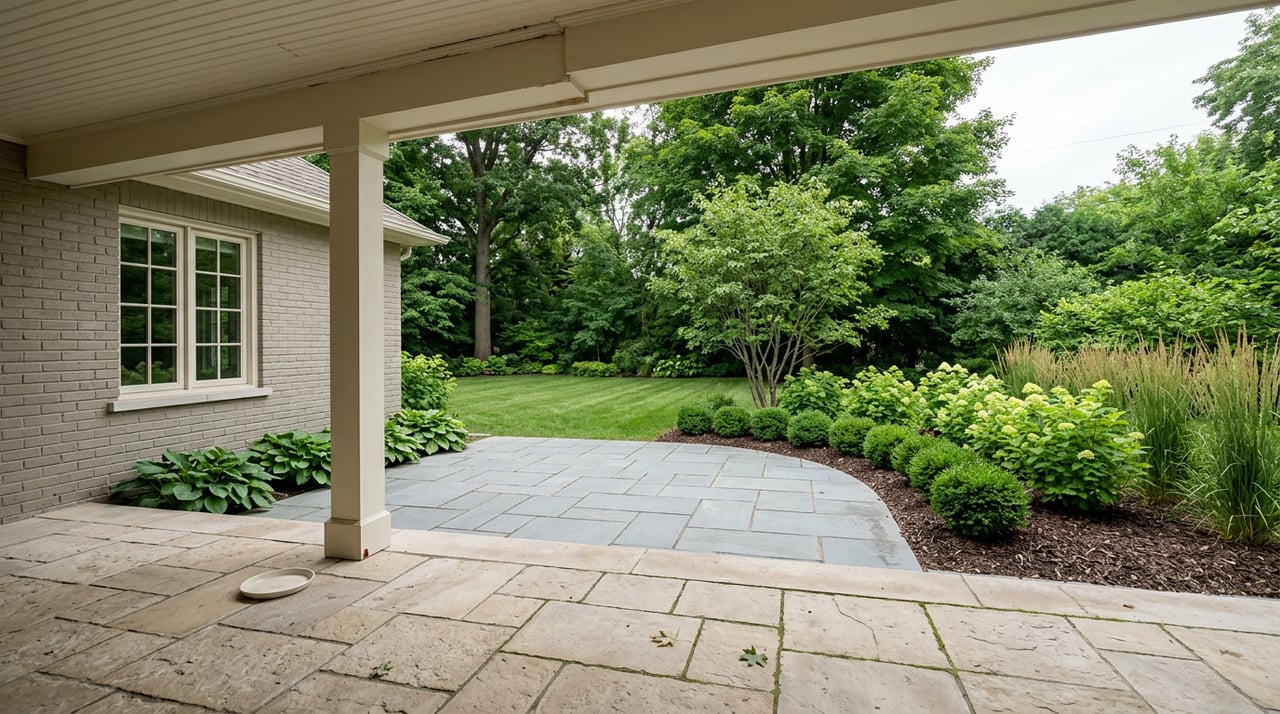
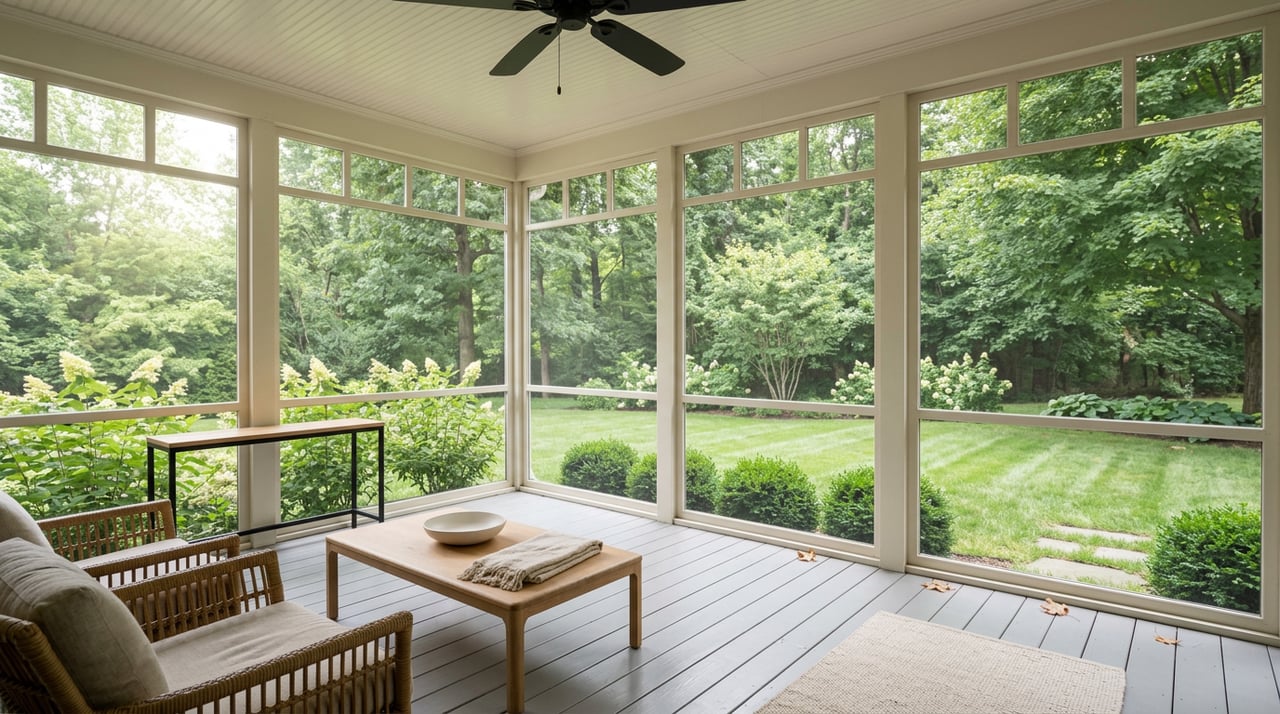
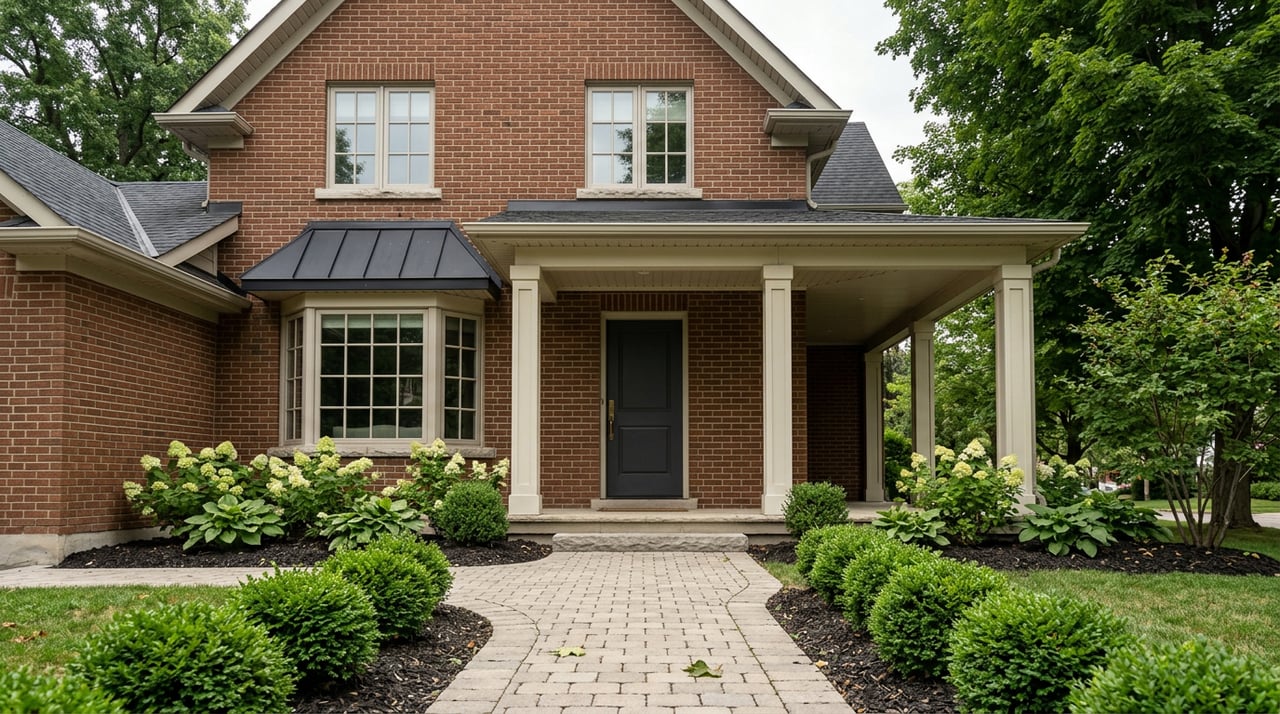
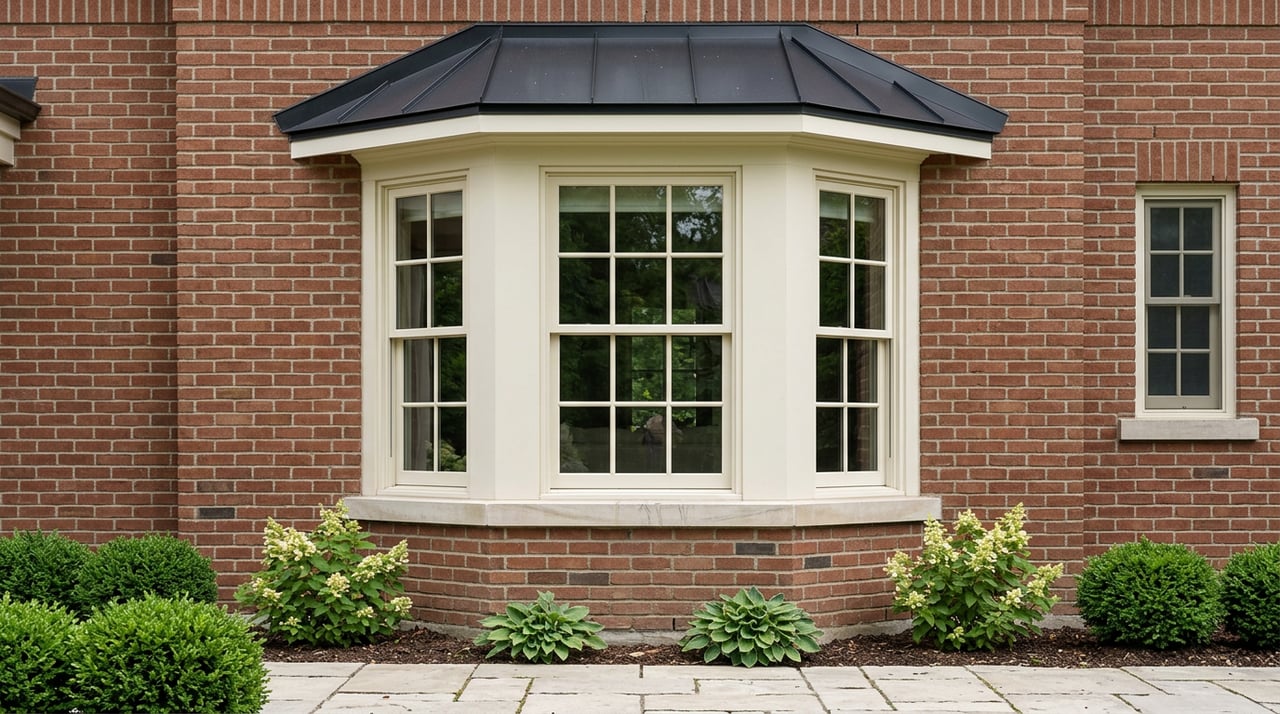
Professional photography is essential. Capture architectural details, period craftsmanship, and the flow of rooms. For river properties, add drone and context shots that show the view and setting, plus dusk images that highlight reflections and outdoor living. Include accurate floor plans and room measurements.
Lead with lifestyle, be clear on constraints
Strong copy connects your home to the Paris lifestyle many buyers want. Highlight Grand River vistas, walkability to Main Street, and access to regional centers. Balance that with direct, neutral language about heritage constraints, GRCA oversight, and any shoreline considerations. Clear disclosures build trust.
Target likely buyers, near and far
Because Paris has limited inventory of true heritage and river-view homes, your buyer may come from Brantford, Cambridge, Kitchener–Waterloo, Hamilton, or beyond. Use targeted digital outreach, private previews for serious buyers, and a broker open for regional agents. A curated plan ensures your listing reaches the right audience without noise.
Risks and tradeoffs to plan for
- Heritage designation can boost desirability while limiting certain changes. Expect more questions and allow time for permits when needed.
- River views support value, yet flood and conservation factors may narrow the buyer pool. Documentation helps keep qualified buyers engaged.
- Scarcity supports pricing power, but niche homes can take longer to match with the right buyer if expectations are not aligned.
- Major restoration before sale can pay off if done well, but it is easy to over-invest. Prioritize safety, systems, and sympathetic presentation of original features.
What to gather before you list
- Heritage designation bylaw and any conservation district guidelines.
- History of municipal permits and any heritage permit approvals.
- Pre-listing inspection report, plus invoices or warranties for major work.
- GRCA floodplain mapping and correspondence, plus any shoreline permits.
- Survey, property lines, and easement or right-of-way documentation.
- Septic and well records if applicable, and ages of major systems.
- A simple summary of any known flood history or insurance claims.
- A photo log of original features and recent conservation work.
Your next step
If you are planning a spring or early fall launch, now is the time to line up inspections, assemble your heritage and GRCA documents, and map the ideal pricing and marketing plan. A curated, high-touch approach can help you capture the lifestyle value of your Paris property while answering buyer questions with clarity.
For tailored guidance and a data-backed pricing plan, connect with Alicia Haight. Our boutique Sotheby’s International Realty Canada–affiliated team pairs local, boots-on-the-ground expertise in Paris and Brant County with premium, targeted marketing to reach the right buyers for your heritage or river-view home.
FAQs
What is the best month to list a Paris heritage or river-view home?
- Spring, especially March through May, typically offers the largest buyer pool, with a strong secondary window in September and October.
How far in advance should I start heritage permit steps before selling in Paris?
- If visible changes may require approval, start 8 to 12 weeks ahead or more depending on scope and municipal timelines.
How do I find out if my Paris property is in a Grand River Conservation Authority regulated area?
- Request GRCA mapping and written confirmation early, then include those documents in your listing package.
Will flood risk affect my buyer’s insurance and my sale price?
- Flood risk can influence insurance eligibility and premiums, which can affect buyer confidence, so provide GRCA documents and any shoreline or engineer reports you have.
What documents do Paris buyers expect for a designated heritage home?
- Provide the designation bylaw, any heritage permit history, contractor invoices, maintenance records, and a pre-listing inspection.
Do I need drone photos to sell a Grand River–view home in Paris?
- While not mandatory, professional drone and twilight images often increase engagement by showing context and lifestyle, as long as all flight rules are followed.