If you are selling a hobby farm or estate in Puslinch, value is not just about acreage or a beautiful home. Buyers in this market often look closely at how the property functions, how easily they can understand it, and whether the improvements and services are properly documented. When you prepare the right details in advance, you can reduce uncertainty, strengthen buyer confidence, and put your property in a better position to command attention. Let’s dive in.
Why Puslinch buyers look beyond curb appeal
Puslinch offers a rural setting with convenient access to Guelph and Cambridge, which is part of the reason the area attracts buyers who want both privacy and practicality. At the same time, local planning policies place a strong focus on preserving rural character, farmland, and natural landscapes.
That combination shapes what buyers care about most. They are often evaluating the home and grounds, but they are also asking how the land is used, whether outbuildings are lawful, and what limits may apply in the future. If you can answer those questions clearly, your listing becomes more persuasive.
Start with a complete property file
One of the best ways to maximize value is to make the property easy to understand from day one. In Puslinch, a strong seller package can help buyers move from interest to confidence much faster.
Township staff note that routine disclosure requests may provide items like building drawings, septic information, surveys, and permits. That makes it worth gathering your records before the property goes live, not after questions start coming in.
What to include in your file
A useful seller information package often includes:
- Survey or site plan
- Title details and known easements
- Building permits and drawings
- Septic records and service history
- Well records and recent water-test results
- Drainage information
- Inventory of barns, garages, sheds, workshops, and fencing
- Details for any secondary suite or accessory dwelling, if applicable
This kind of file helps answer the questions buyers usually ask first: what exists, what is legal, and what has been maintained.
Verify zoning before you market potential
In Puslinch, zoning matters because it governs land use, the location and type of buildings, lot dimensions, lot coverage, height, setbacks, shoreline buffer areas, landscaping, planting strips, and parking requirements. If an existing or proposed use does not fit the zoning, a zoning by-law amendment or minor variance may be required, and both are public processes.
That is why cautious, accurate marketing protects value. If your property has a barn, workshop, accessory building, or other improvement that adds appeal, it helps to confirm the current zoning status and keep supporting documents ready.
Focus on what is already lawful
Wellington County policy emphasizes protecting rural character and farming uses, and the County recognizes existing country residential and lifestyle community areas without allowing new locations. A 2025 county report also states that new estate residential or lifestyle communities are not permitted in the rural area county-wide.
For sellers, the takeaway is simple. You will usually be better served by documenting what already exists and what is already lawful rather than making broad claims about future development or speculative changes.
Check outbuildings and site features carefully
Accessory buildings can be a major source of value on a hobby farm or estate, but only when buyers can understand them clearly. In Puslinch, building permits are required for accessory buildings such as sheds, garages, pool houses, gazebos, and farm buildings when they exceed exemption thresholds. Even permit-exempt sheds still need to comply with zoning rules for setbacks, lot coverage, use, and height.
If your property includes several structures, it is worth reviewing records and preparing a simple summary of what each one is used for. That summary can make your marketing more credible and your showings more effective.
What buyers want to know about outbuildings
Buyers often ask:
- Were the barns, sheds, garages, or other structures permitted if required?
- Are they properly set back from property lines?
- What are the dimensions and current uses of each structure?
- Are there service connections, water access, or special equipment to note?
When those answers are ready in advance, buyers spend less time worrying about unknowns and more time seeing the property’s value.
Organize well, septic, and drainage details
For rural properties, service systems can influence both buyer comfort and offer strength. Ontario states that well owners are responsible for their wells and should test water regularly. The province also says septic owners are responsible for operation and maintenance, and septic systems should be pumped out regularly to help prevent contamination.
Before listing, it helps to gather the practical details a buyer will likely request. If you know the well location, approximate age or construction type, water-test history, septic age, service history, and any treatment or backup equipment, include that information in your file.
Do not overlook drainage
Drainage is another issue that deserves attention. Ontario’s Drainage Act guidance says municipal drains are often overlooked during property sales, are not registered on title, and can create both financial and physical restrictions. The by-law adopting the engineer’s report also creates a right of access similar to an easement.
If your property has tile drainage, a municipal drain, or a known drainage assessment, include that information early. Clear disclosure can help avoid delays and improve trust during negotiations.
Avoid last-minute improvements without approvals
It can be tempting to do a quick round of upgrades before listing, especially around the driveway, landscaping, or grading. In Puslinch, that approach can backfire if approvals are required and not in place.
The township requires an entrance permit to install or change driveway access from a public road. More than 20 cubic metres of fill for driveway construction triggers a site alteration permit, and site alteration rules regulate fill movement and grading changes.
Be careful with major exterior changes
Properties in regulated conservation areas or source water protection areas may also require additional approvals. Because of that, sellers should be cautious about making late-stage changes like new driveway layouts, grading work, ponds, large landscaping projects, barns, or additions unless the approval path is already clear.
From a value perspective, buyers often respond better to a well-documented property than to rushed improvements that raise new questions.
Present the land so buyers can read it quickly
A beautiful rural property can still underperform if buyers cannot make sense of the land. On a hobby farm or estate, presentation should help people understand circulation, maintenance, and daily function.
That usually means cleaning access routes, mowing edges, tidying barn yards, organizing storage areas, and clearly showing how the home relates to the outbuildings. Buyers are not just measuring acreage. They are trying to picture how the property works.
Separate residential and working spaces
The residence should photograph and show like a polished residential listing. Barns, workshops, sheds, and tack or utility rooms should be clean, measured, and easy to identify.
This split matters because different parts of the property answer different buyer needs. The house supports lifestyle and comfort, while the land and buildings support function, flexibility, and long-term stewardship.
Use photography to show privacy and practicality
Strong visuals can lift perceived value, but only when they tell the full story. In Puslinch, buyers are often drawn to scenic rural surroundings and the convenience of being near larger centres, so your marketing should show both seclusion and access.
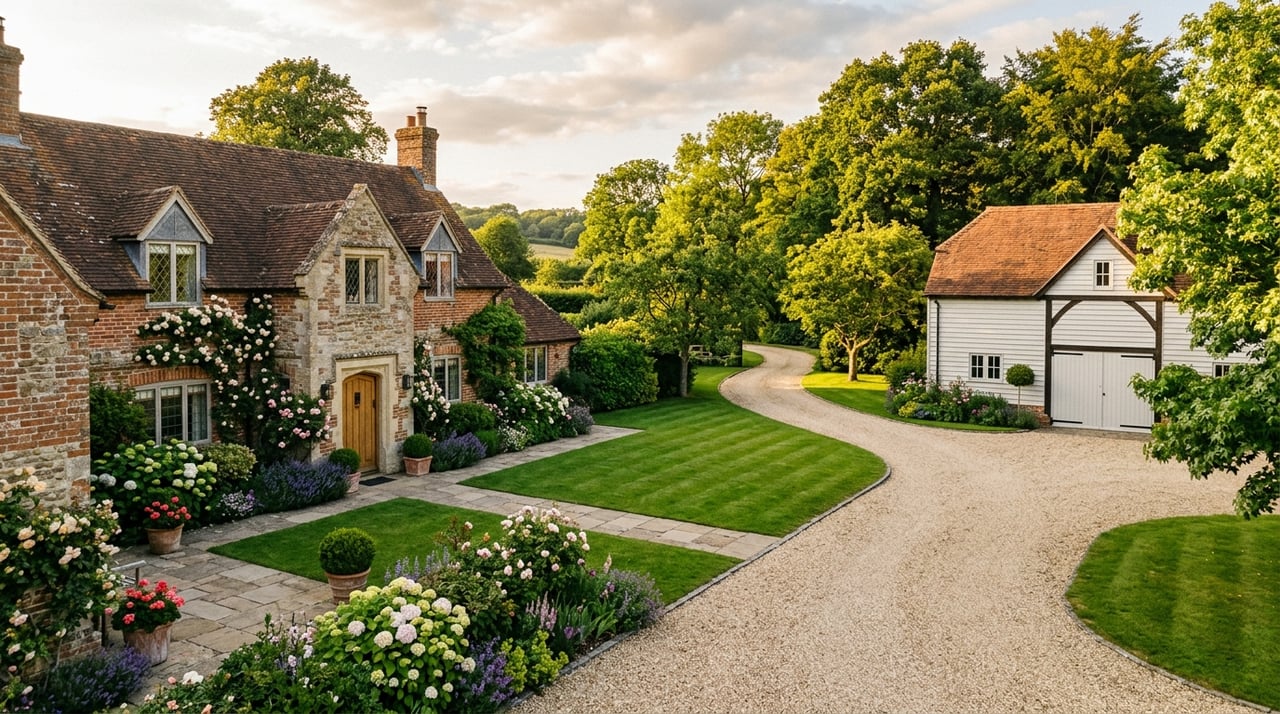
Exterior photography should show the approach to the property, setback from the road, the relationship between the home and outbuildings, and the overall layout of the site. Those images help buyers understand privacy, scale, and usability before they arrive.
Answer buyer questions before they ask
The smoothest rural sales often happen when sellers remove uncertainty early. A well-prepared listing should anticipate the questions that matter most.
Key questions to answer in advance
- What is the current zoning?
- Do the existing improvements comply with zoning requirements?
- Are accessory structures permitted where required?
- What are the well and septic details?
- Are there recent water-test or service records?
- Is there any municipal drain, tile drainage, easement, conservation constraint, or source-water issue affecting the land?
- Is any future potential verified through current zoning or planning guidance?
When these answers are ready, your property can present as more than attractive. It can present as credible, cared for, and easier to buy.
Price and marketing benefit from clarity
For a Puslinch hobby farm or estate, maximizing value is often about reducing friction. Buyers are more likely to act decisively when the property is visually compelling, legally understandable, and operationally well documented.
That is especially true for complex rural properties, where the best results tend to come from thoughtful preparation, polished presentation, and careful positioning. When you combine those elements, you create stronger confidence around the value of your property.
If you are thinking about selling a hobby farm or estate in Puslinch, tailored advice can make a real difference. For thoughtful guidance, polished marketing, and a clear strategy built around your property’s strengths, connect with Alicia Haight.
FAQs
What documents should you gather before selling a Puslinch hobby farm?
- Start with a survey or site plan, title details, easements, building permits, septic records, well records, water-test results, drainage information, and an inventory of outbuildings and site features.
Why does zoning matter when selling a Puslinch estate property?
- Zoning affects land use, building location, setbacks, height, lot coverage, parking, and other standards, so buyers want to know whether existing improvements fit the current rules.
What do buyers ask about wells and septic systems on rural Puslinch properties?
- Buyers often want the well location, approximate age or type if known, water-test history, septic age, maintenance records, and details about any treatment or backup equipment.
Can unapproved outbuildings affect the sale of a Puslinch hobby farm?
- Yes. Buyers commonly ask whether barns, sheds, garages, and other accessory structures were permitted if required and whether they comply with setback and zoning standards.
Why should you disclose drainage information when selling rural land in Puslinch?
- Municipal drains, tile drainage, and drainage assessments can affect land use, access, and costs, so early disclosure helps buyers understand the property and can reduce delays later in the sale process.