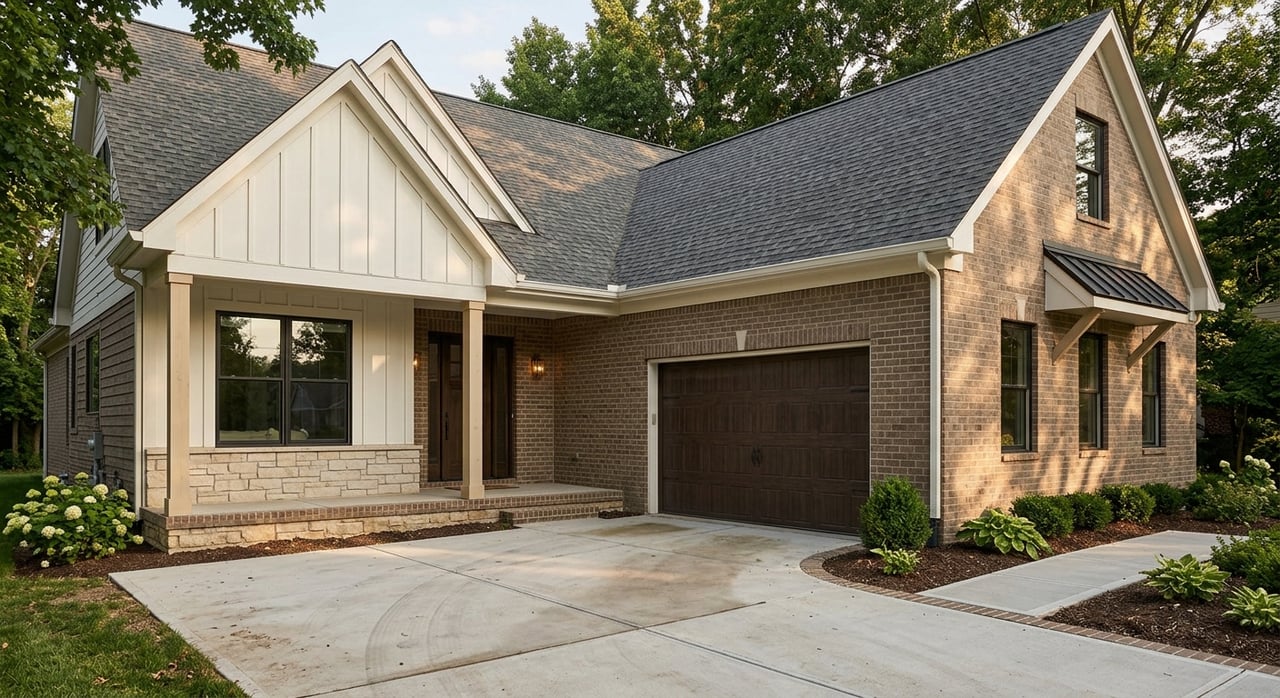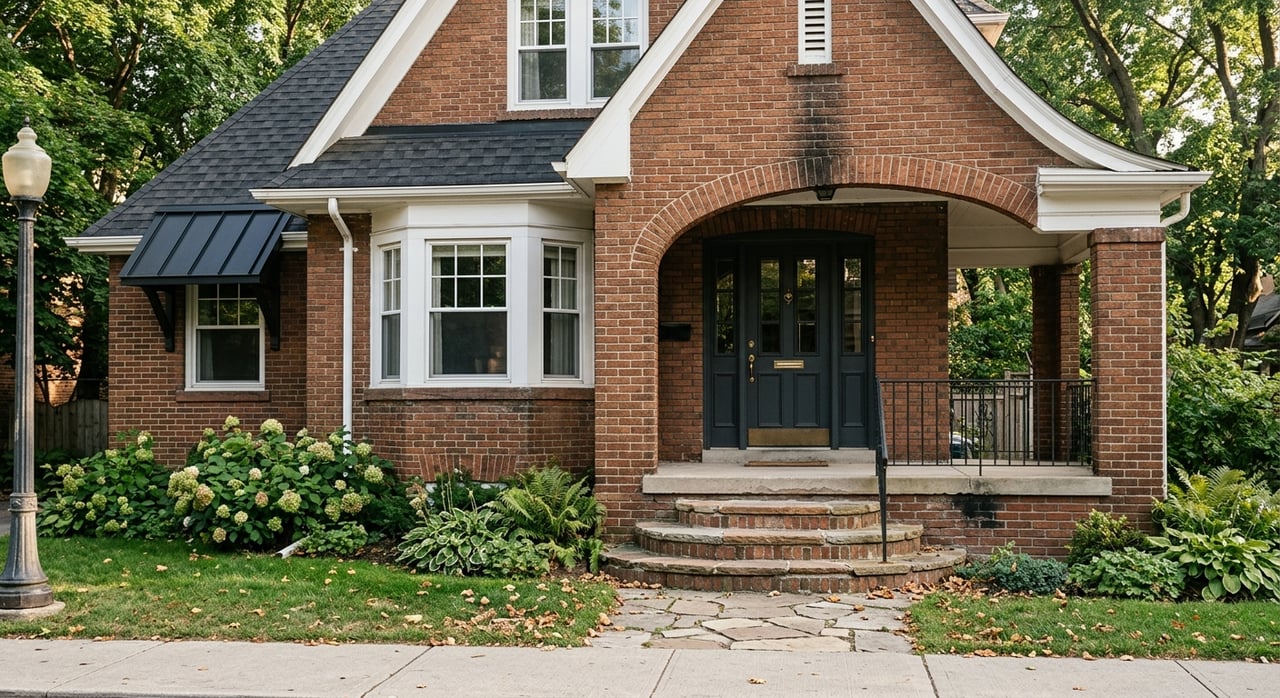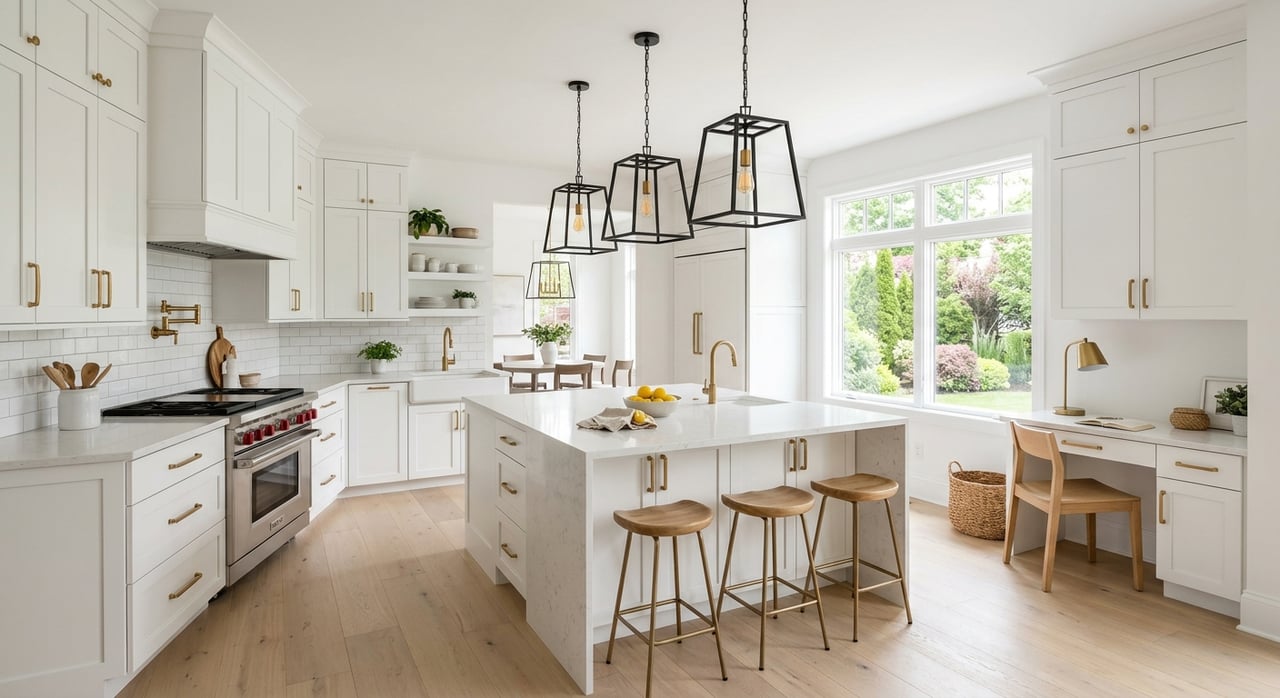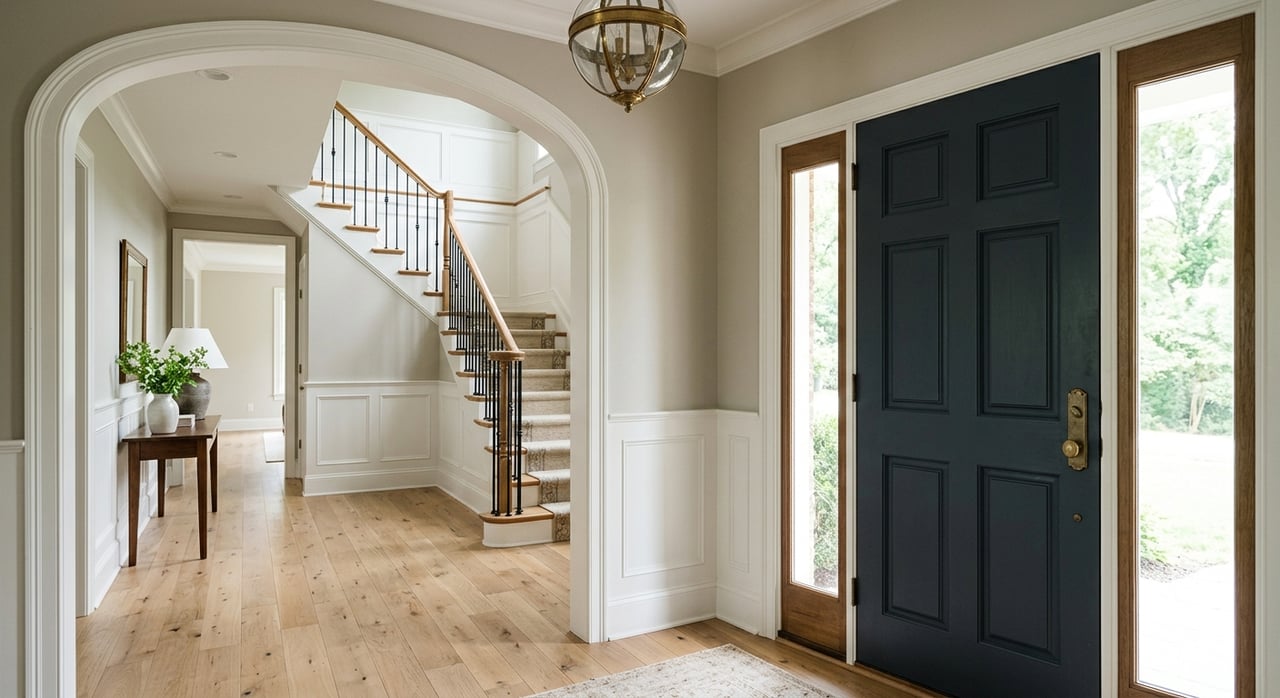
Are you thinking about buying a luxury home in Ancaster from outside Canada or while living abroad? It can be an exciting move, but it also comes with extra rules, taxes, and planning steps that local buyers may not face. If you understand the process early, you can move with more confidence and avoid costly surprises. Let’s dive in.
What Luxury Means in Ancaster
In Ancaster, luxury is not defined by one fixed price point. It is better understood through local comparables, estate setting, privacy, lot size, architecture, and interior finishes.
That matters because Ancaster sits within Hamilton, and Hamilton includes both urban and rural policy areas. In practice, that means luxury buyers often compare properties based on land, setting, design, and overall exclusivity rather than relying on a broad national label.
The wider Hamilton-Burlington market helps provide context. In the first quarter of 2026, the median single-detached home price was $784,000, detached homes had 3.8 months of inventory, and the median days on market for detached homes was 26.
In the Hamilton West, Ancaster, and Dundas area, home sales were 14.4% below the five-year average, while active listings were 80.4% above the five-year average. For you, that means luxury opportunities in Ancaster should be assessed with current local comparables and careful property-by-property analysis.
Check Eligibility Before You Shop
If you are not a Canadian citizen or permanent resident, your first step is to confirm whether you can legally purchase the type of property you want. This is especially important in Ancaster because it is part of Hamilton, which is a Census Metropolitan Area.
The federal ban on purchases by non-Canadians took effect on January 1, 2023, and is set to run until January 1, 2027. It applies to many residential properties with three or fewer dwelling units, although some exceptions exist.
That means some international buyers may still be eligible, while others may not. Before you spend time touring homes or preparing offers, you should confirm your status, the property type, and whether any exception applies to your situation.
Know the Taxes That Can Change Your Budget
For international buyers, the purchase price is only part of the financial picture. Ontario and Hamilton both have rules that can affect your total cost of ownership.
Ontario’s Non-Resident Speculation Tax is 25%. It applies provincewide to purchases of residential property by foreign nationals, foreign corporations, or taxable trustees, and it is charged in addition to Ontario land transfer tax.
If you are buying a newly constructed or substantially renovated home, Ontario also notes that HST applies. Resale homes are generally not subject to HST in the same way, which can make the final numbers look very different depending on the property you choose.
Hamilton also has a Vacant Unit Tax. The city applies a 1% tax to residential units that were vacant for more than 183 days in the previous year, and annual declarations are required even when a principal residence is not subject to the tax.
For buyers who plan to use the home seasonally or leave it empty for part of the year, this is an important local rule to review early. A luxury home that is not occupied full time can carry a different ownership profile than you might expect.
Plan for Cash Beyond the Purchase Price
Luxury purchases usually involve more cash planning than standard home purchases. Even if you expect to finance part of the transaction, you should be prepared for taxes, legal fees, and other closing costs.
Canadian mortgage structure is also important to understand. A conventional mortgage generally requires at least 20% down, while lower-down-payment mortgages may be available in other situations depending on price and loan structure.
For many international and cross-border buyers, lender requirements can be more detailed. You should expect requests for identity documentation, proof of funds, and evidence showing where your down payment and closing funds are coming from.
Financing is lender-specific, and some lenders offer newcomer or temporary-resident mortgage programs. At the same time, government restrictions may affect eligibility, so it is smart to treat financing as an early-stage planning task rather than a final step.
Build the Right Ontario Buying Team
When you are buying from abroad or from another market, a strong local team becomes even more important. In Ontario, real estate brokers and agents must be registered, and representation relationships are documented in writing.
That means you should clearly understand who represents you, what the agreement covers, and when it expires. Ontario allows brokerage representation agreements and designated representation agreements, so clarity at the start helps you avoid confusion later.
A real estate lawyer is also essential in Ontario. The land registry contains official records of title, mortgages, transfers, and leases, and professional guidance matters because land records can be complex.
Your lawyer plays a very different role from your real estate representative or mortgage specialist. They help review title-related matters, support identity checks, coordinate important searches where needed, and handle the legal side of closing.
Understand the Typical Buying Process
The buying journey is easier to manage when you break it into clear stages. For international buyers, the process often starts with financial readiness and eligibility, then moves into financing, property selection, offer strategy, closing, and ongoing ownership planning.
A simple way to think about it is this:
- Confirm your purchase eligibility
- Review your financing options and cash needs
- Define your Ancaster property criteria
- Tour or shortlist homes remotely or in person
- Make an offer with the right conditions
- Complete legal and title work
- Conduct a pre-closing visit
- Close and prepare for ongoing ownership obligations
That pre-closing visit matters more than many buyers realize. In Ontario, it is your last chance before closing to confirm the property’s condition, verify that agreed repairs were completed, and ensure fixtures or appliances have not been removed.
For out-of-area and overseas buyers, careful coordination around this step is especially important. You do not want final-day surprises in a high-value transaction.
New Construction Needs Extra Checks
If you are considering a newly built luxury home, custom build, or pre-construction estate in Ancaster, add another layer of due diligence. New construction can offer design appeal and modern systems, but it also requires specific verification.
You should confirm the builder or vendor’s HCRA licence and check whether Tarion warranty coverage applies. These are practical steps that help you better understand who is building the home and what warranty protection may be available.
For luxury buyers, this can be especially relevant when comparing a finished resale estate with a newly built property. The lifestyle may feel similar, but the tax treatment, warranty profile, and closing process can be quite different.
Remote Buying Requires Clear Coordination
Many international buyers begin the process remotely. That can work well, but it requires more structure, more documentation, and close communication among your representative, lender, and lawyer.
Remote buyers should expect careful identity verification and more attention to document timing. Your lawyer and buying team can help coordinate the practical steps needed to move from accepted offer to closing, especially when you are not physically present in Ontario for each milestone.
This is one reason high-touch guidance matters in premium transactions. When a property is distinctive and the buyer is managing the deal from another country or city, details become even more important.
Why Global Exposure Matters in Ancaster Luxury
If you are buying in the luxury segment, market access matters just as much as legal preparation. Distinctive Ancaster properties often attract interest because of their architecture, privacy, land, and lifestyle appeal.
A brokerage with global reach can widen exposure to buyers and sellers connected across multiple countries and markets. Sotheby’s International Realty Canada states that its platform reaches audiences through more than 1,100 offices in more than 80 countries and generates more than 1 billion annual online impressions.
For you as a buyer, that kind of network can matter in competitive or highly specialized property searches. It can also be valuable if you are comparing Ancaster with other premium markets and want informed guidance rooted in both local context and international positioning.
Final Thoughts for International Buyers
Buying an Ancaster luxury home from abroad can be very rewarding, but it works best when you start with the rules, not just the listings. Eligibility, tax exposure, financing, legal review, and local market positioning all shape the success of your purchase.
The good news is that with the right planning, the process becomes much more manageable. When you combine current market insight with careful due diligence, you give yourself a stronger foundation for a smooth and confident purchase.
If you are considering an Ancaster luxury home and want tailored guidance on the market, process, and property strategy, connect with Alicia Haight.
FAQs
Can a non-Canadian buy a luxury home in Ancaster right now?
- It depends on your status, the type of property, and whether an exception applies under the federal ban on purchases by non-Canadians, which is set to run until January 1, 2027.
What taxes apply to international buyers purchasing residential property in Ancaster?
- International buyers may need to budget for Ontario land transfer tax and Ontario’s 25% Non-Resident Speculation Tax, and HST may apply if the home is newly constructed or substantially renovated.
Does Hamilton charge tax on vacant homes in Ancaster?
- Yes. Hamilton applies a 1% Vacant Unit Tax to residential units left vacant for more than 183 days in the previous year, and annual declarations are required.
Why does an international buyer need a real estate lawyer in Ontario?
- A lawyer helps with title review, legal documents, identity checks, searches where needed, and the legal closing process, which is separate from the role of a real estate representative or lender.
How much cash should an international buyer plan beyond the Ancaster home price?
- You should plan for your down payment, land transfer tax, possible Non-Resident Speculation Tax, legal fees, and other closing costs, while also preparing to document the source of funds.
What should buyers verify before closing on an Ancaster luxury home?
- Buyers should complete a pre-closing visit to confirm the property’s condition, make sure agreed repairs were completed, and check that included fixtures or appliances have not been removed.
What extra steps apply when buying a newly built luxury home in Ancaster?
- You should verify the builder or vendor’s HCRA licence and confirm whether Tarion warranty coverage applies before moving forward.