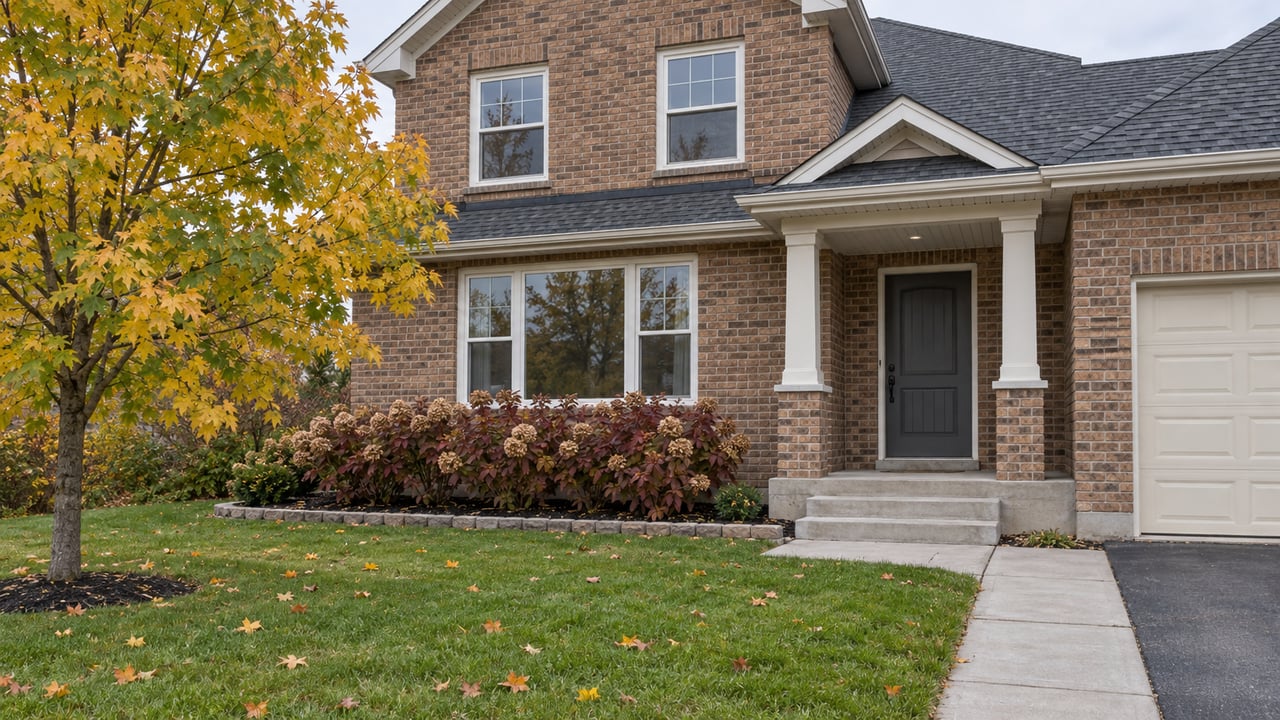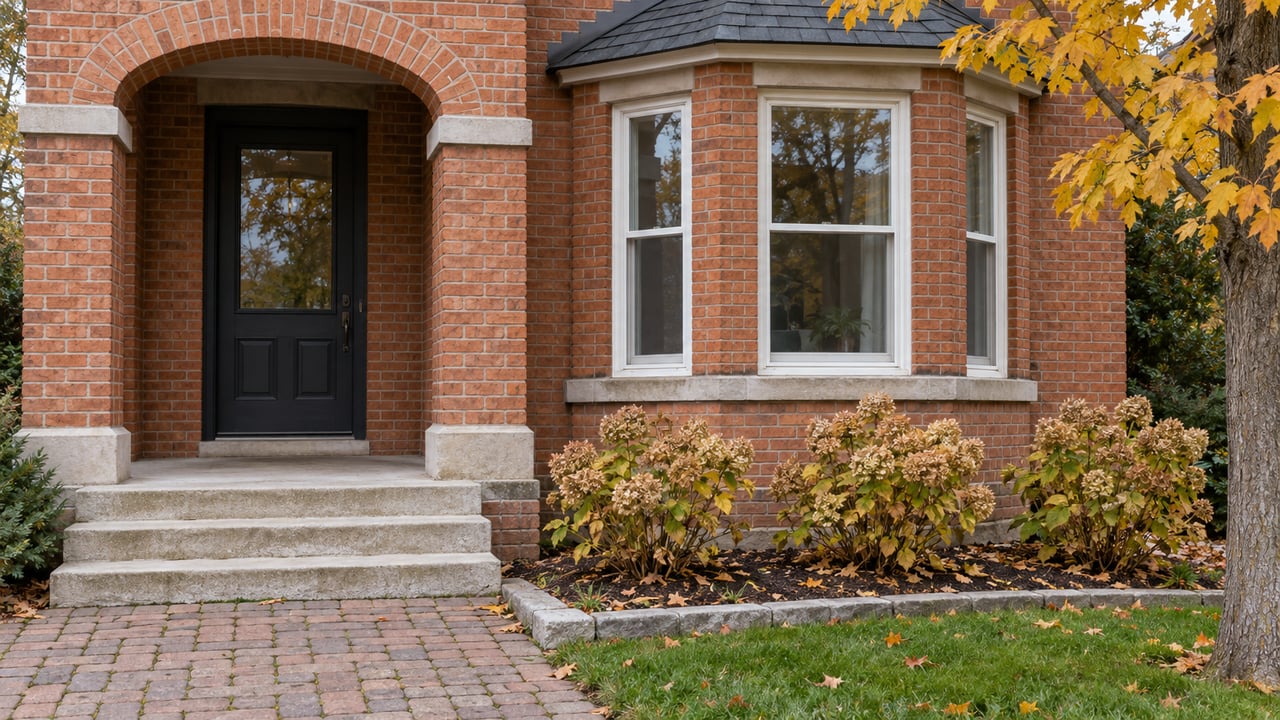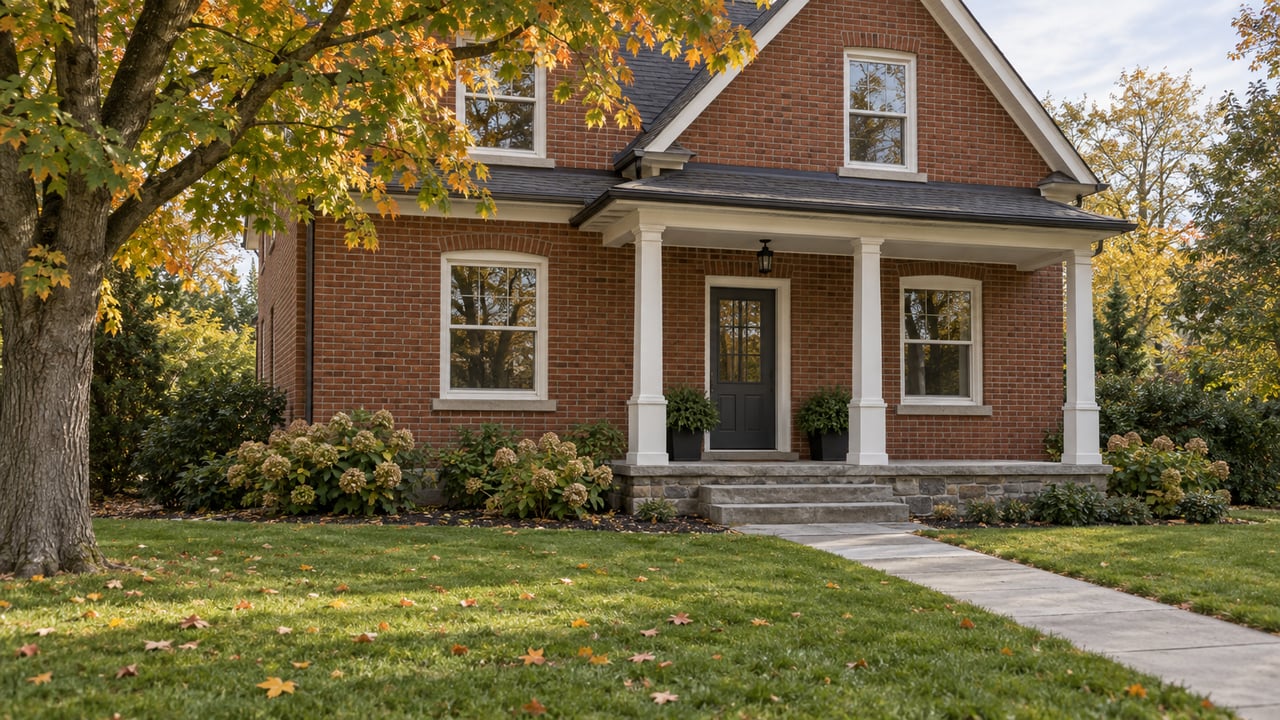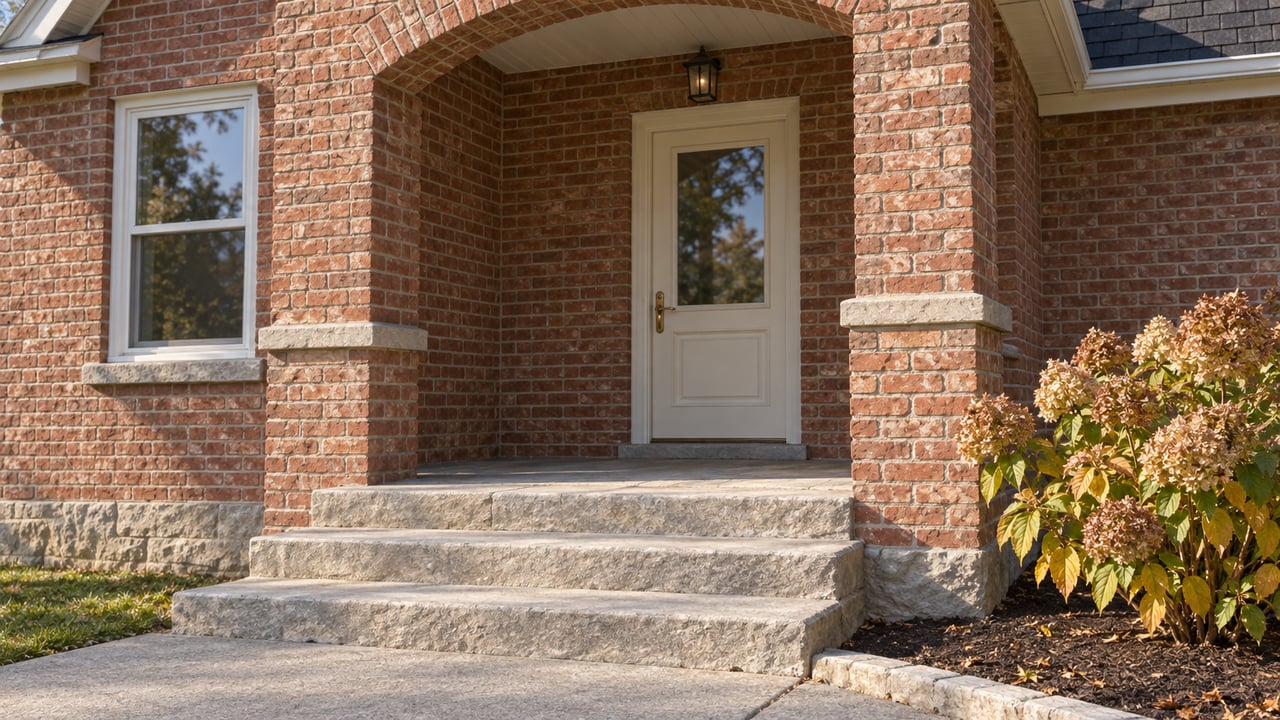
Are you trying to decide whether Dundas feels more like your kind of place near King Street West or closer to the escarpment edge? It is a smart question, because these two parts of Dundas can shape your day-to-day life in very different ways. If you are weighing walkability, home style, natural surroundings, and pace of life, this guide will help you compare the tradeoffs with more clarity. Let’s dive in.
Downtown Dundas at a Glance
Downtown Dundas is centered on King Street West, with the Downtown Dundas BIA boundaries running from Cross Street to John Street. The area is known for its historic streetscape and a strong cluster of local businesses. For many buyers, that creates a lifestyle built around convenience, character, and being close to everyday activity.
The City of Hamilton also identifies Dundas as a historic settlement area with pre-1950 buildings, historic streetscapes, and natural heritage features. Much of that heritage character is tied to the Cross-Melville Heritage Conservation District, where many designated properties are located. In simple terms, downtown Dundas feels established, layered, and visually distinctive.
Escarpment Neighbourhoods at a Glance
Escarpment-side neighbourhoods in Dundas offer a different setting. In areas such as Pleasantview, the City describes the land as lying below the brow of the escarpment and containing environmentally sensitive areas that connect Cootes Paradise and the Niagara Escarpment. That setting tends to create a greener and more topographically shaped living experience.
Some escarpment-adjacent areas also have a more rural or semi-rural context. The Valley Community Centre Park area on Old Guelph Road, for example, is described by the City as rural, with nearby housing that is primarily single detached along with some medium-density residential. If downtown feels street-oriented, escarpment neighbourhoods feel more landscape-oriented.
Streetscape and Setting
Downtown feels compact and historic
If you like a main-street environment, downtown Dundas will likely stand out right away. King Street West is lined with heritage buildings, local storefronts, and a concentration of businesses that support a more compact routine. The Downtown Dundas BIA describes the district as having over 100 local shops, and its current listings highlight an even broader business mix.
You also see that history in the built form. City heritage material points to a concentration of pre-1950 buildings and longstanding streetscapes, while individual designations along King Street West and Main Street reflect older commercial and architectural character. That gives downtown a strong sense of continuity and place.
Escarpment areas feel greener and quieter
Escarpment neighbourhoods are shaped more by landform and natural surroundings. Because these areas sit beside or below the Niagara Escarpment, they often feel less compact and more visually connected to valley edges, tree cover, and conservation lands. The planning framework in places like Pleasantview reflects that natural heritage importance.
For buyers who value a quieter backdrop, this can be a major advantage. The area’s setting often feels less about storefront energy and more about space, topography, and a residential rhythm tied to the surrounding landscape.
Home Styles and Housing Pattern
Downtown offers heritage and mixed-use character
Downtown Dundas is not purely residential, and that is part of its appeal. The City describes parts of King Street West as a historic commercial streetscape dating from the mid-nineteenth to early twentieth century. That means your surroundings may include heritage storefronts, mixed-use buildings, and older homes on compact lots near the core.
There are also downtown-adjacent residential streets with historic character. The Melville Street heritage study area, for example, is described as a historic residential area with pre-1950 buildings. So if you are drawn to older architecture and established streets, downtown and its nearby blocks may offer a strong fit.
Escarpment areas lean more detached
On the escarpment side, the housing pattern is generally lower density. City material tied to the Valley Community Centre Park area notes that nearby housing is primarily single detached, and heritage references on Governor’s Road describe homes with deep setbacks and elevated positions. That points to a very different residential form than the downtown core.
In practical terms, escarpment-edge living often means more separation between homes, more greenery around the property, and a setting that feels less compressed. If you picture detached homes and a stronger sense of landscape, this side of Dundas may feel more aligned with your goals.
Daily Life and Errands
Downtown supports a walk-and-browse routine
For many people, downtown Dundas works well because errands can feel simple and spontaneous. The business district includes a wide range of shops and recurring community programming such as Live & Local and Easter Egg-Stravaganza. That kind of environment supports a routine where you step out for coffee, browse a few stores, and take care of a short list without much planning.
Parking also reflects that downtown pattern. The City of Hamilton notes that on-street meters in Dundas operate Monday through Friday, and Dundas municipal lot rates show weekend parking as free. Whether you walk often or drive in and out, the area is set up to support regular downtown use.
Escarpment living is more home-centered
Escarpment neighbourhoods usually support a different rhythm. Because some of these areas are tied to conservation land, rural edges, or natural heritage planning, day-to-day life can feel quieter and more residential. Instead of spontaneous stop-ins, your trips out may be more intentional.
That does not make one option better than the other. It simply means your routine may revolve more around home, outdoor space, and planned errands rather than street-level activity just outside your door.
Trails, Nature, and Recreation
Escarpment access is a major lifestyle feature
One of the clearest benefits of escarpment-adjacent living is access to nature. The Dundas Valley Conservation Area spans 1,200 hectares and includes a 40-kilometre recreational trail system built around the Main Loop Trail, the Bruce Trail, and the Hamilton-to-Brantford Rail Trail. For buyers who want regular access to outdoor recreation, that is a meaningful part of the lifestyle.
It is also worth noting that the terrain can be rugged. Hamilton Conservation Authority states that accessibility is limited in some parts of the valley, while the Rail Trail is the better option for wheelchair and scooter users. That gives you a more realistic picture of how the trail system functions day to day.
Downtown still keeps you connected
Living downtown does not mean you miss out on Dundas’s natural setting. You are still part of a community closely connected to heritage landscapes and nearby outdoor spaces. The difference is that nature may feel like a destination you head toward, while in escarpment neighbourhoods it can feel more integrated into your immediate surroundings.
If your ideal weekend starts with a walk to a shop and ends with time outdoors, downtown can still offer a balanced lifestyle. The key distinction is how quickly you move from front door to trail or conservation-edge setting.
Commuting and Getting Around
Downtown is more plugged into the main-street network
Transit in Dundas is bus-based, and downtown is naturally more connected to that network. HSR Route 52 Dundas Local operates seven days a week, and Route 5 Delaware travels via Downtown Dundas as part of the broader Hamilton transit system. If you want to stay close to regular bus service and central routes, downtown has an edge.
The street layout and concentration of businesses also make local movement feel easier without relying on a car for every short trip. For some buyers, that convenience becomes a deciding factor.
Escarpment areas may mean more driving
In escarpment-edge areas, terrain and lower-density planning can make driving a bigger part of everyday life. Depending on exactly where you live, you may still use transit, but many routines are likely to involve a mix of driving, bus travel, and recreational trail access. That can work very well if you prioritize setting and space over immediate proximity to the commercial core.
This is one of the simplest ways to compare the two. Downtown often supports movement by foot and bus more naturally, while escarpment areas may suit buyers who are comfortable planning around the car a bit more.
Which Dundas Lifestyle Fits You?
If you are choosing between downtown Dundas and escarpment neighbourhoods, the real question is how you want your days to unfold. Downtown suits people who want a historic main-street setting, close access to shops and local events, and a routine shaped by walkability and convenience. Escarpment areas tend to suit people who want more greenery, a quieter residential feel, and easier access to trails and conservation land.
Neither option is universally better. The better fit depends on whether you want your life centered more on King Street West or on the valley and escarpment edge. When you compare areas through that lens, the decision often becomes much easier.
If you are thinking about buying or selling in Dundas and want practical guidance on which setting best matches your goals, Alicia Haight can help you evaluate the lifestyle, housing pattern, and long-term fit with a clear local perspective.
FAQs
What is the main difference between downtown Dundas and escarpment neighbourhoods?
- Downtown Dundas is more compact, historic, and business-focused, while escarpment neighbourhoods are generally greener, lower density, and more shaped by the Niagara Escarpment and surrounding natural areas.
What are homes like in downtown Dundas?
- Downtown Dundas includes heritage storefronts, mixed-use buildings, and older homes, with some nearby residential streets made up of pre-1950 buildings and historic character.
What are homes like in Dundas escarpment areas?
- Escarpment-side areas tend to have a more detached, lower-density housing pattern, with some locations described by the City as rural or primarily single detached.
Is downtown Dundas more walkable than escarpment neighbourhoods?
- In general, yes. Downtown Dundas has a concentrated business district, community events, and parking arrangements that support a more walk-and-browse lifestyle.
Do escarpment neighbourhoods in Dundas have better trail access?
- They often have stronger immediate access to nature, especially near Dundas Valley Conservation Area, which includes 40 kilometres of trails and connections to major recreational routes.
Is transit available in downtown Dundas and escarpment areas?
- Dundas is served by bus transit, including HSR Route 52 Dundas Local and Route 5 Delaware, with downtown generally more directly connected to the main-street transit network.