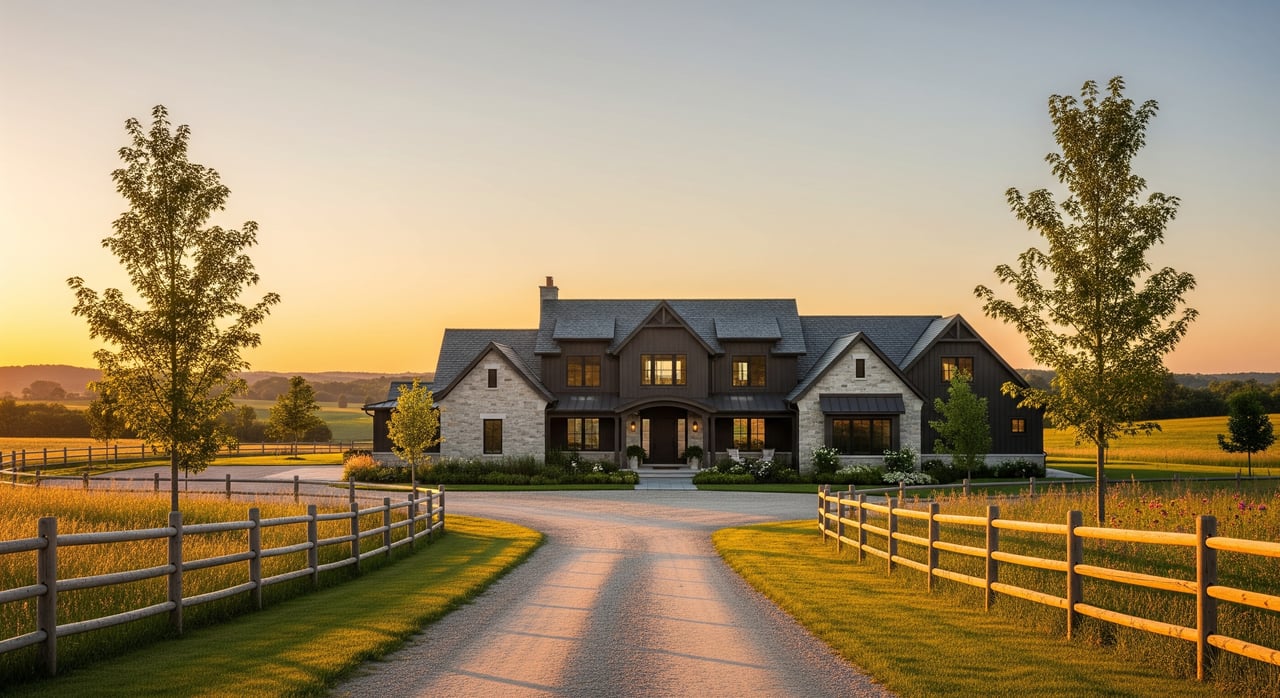
Eyeing a country property in Puslinch’s N0B area and wondering what you can build, add, or change? Rural land offers space and privacy, but the rules are different from town. In a few minutes, you will understand the key zoning layers, the most common rural rules, how wells and septic fit in, and which approvals and permits you may need. You will also get a practical checklist to reduce risk before you buy. Let’s dive in.
How rural zoning works in Puslinch
Rural properties in Puslinch are guided by layered rules. At the top are Ontario’s Planning Act and Provincial Policy Statement, which protect prime agricultural lands and set direction for lot creation and development near natural hazards. Wellington County’s Official Plan adds mapping and policies for land designations, which the Township uses to apply zoning on each parcel.
At the property level, the Township of Puslinch Zoning By-law sets permitted uses, setbacks, lot sizes, and accessory structure limits. The Grand River Conservation Authority regulates development in floodplains, wetlands, river valleys, and other sensitive features, which is separate from municipal building approvals. The Ontario Building Code governs construction standards, septic systems, and many renovation projects. Minimum Distance Separation guidelines from the Ontario Ministry of Agriculture, Food and Rural Affairs influence siting near livestock facilities.
Who to contact first
- Township of Puslinch planning and building staff for zoning, setbacks, and building permit requirements.
- Wellington County planning for Official Plan designations and severance processes.
- Grand River Conservation Authority for regulated area mapping and permits.
- Wellington-Dufferin-Guelph Public Health for well and septic guidance.
Key rural zones you will see
Agricultural and Prime Agricultural
These zones exist to support crop and livestock production. A farm dwelling that is part of the agricultural use is typically permitted, while new non-farm residential lots are generally restricted. Severances in prime agricultural areas are tightly controlled, with limited exceptions like a surplus farm dwelling or lot line adjustments that meet strict criteria.
Rural and Rural Residential
These zones cover lower-density living outside hamlets, often on non-prime agricultural lands or small acreages. Minimum lot areas, frontages, height, and coverage vary and will be set out in the zoning by-law. Some small-scale, agriculturally compatible uses and home occupations may be permitted with limits.
Hamlet or Settlement
In designated settlement areas, like parts of Aberfoyle, zoning may allow smaller lots and a mix of residential and small-scale commercial uses. Services can differ from broader rural areas. Lot creation rules in settlements are not the same as agricultural areas, so always confirm the exact designation.
Environmental Protection and Natural Heritage
These zones protect wetlands, woodlands, and floodplains. Development or site alteration can be limited or prohibited. If a property touches these features, GRCA review often applies.
Aggregate and mineral resource overlays
Where lands have mapped aggregate potential, extra policies may apply. Non-compatible development can require studies, and active or potential extraction nearby can influence use and value.
Common rules that shape your plans
Every parcel is different, so check the specific zoning and any site-specific exceptions. Key items to review include:
- Permitted and prohibited uses for the zone.
- Minimum lot area and frontage.
- Setbacks from lot lines, roads, and watercourses.
- Maximum building height and total lot coverage.
- Accessory structure limits for barns, garages, and sheds.
- Home-based business rules, including employees, signage, and on-site clients.
- Second unit or secondary suite permissions and servicing requirements.
- Temporary structures, such as garden suites, and any time limits.
- Any holding symbols or site-specific provisions that change what is allowed.
If your plan does not meet one or more standards, you may need a minor variance. If you want to create a new lot, you will likely need consent and must meet provincial and county policies, which are more restrictive in prime agricultural areas.
Site constraints to spot early
Wells and septic systems
Most rural properties rely on private wells and septic systems. Ask for well construction details and recent water tests, including bacteria and nitrates. For septic, request installation records and maintenance history, and consider a third-party inspection. Any new home or significant addition will need a septic design that meets the Ontario Building Code.
GRCA regulated areas and natural hazards
Floodplains, river and stream setbacks, and certain wetlands can limit where you build. Work within regulated areas requires a GRCA permit, which is separate from a building permit. Timelines and conditions vary, so early contact saves time.
Minimum Distance Separation near livestock
If there are nearby barns or planned livestock facilities, MDS formulas may limit where you can place a new dwelling. This is site-specific and can affect both new homes and expansions of agricultural operations. Confirm MDS early to avoid redesigns later.
Soils, slopes, and drainage
Soil type affects foundations and septic performance. Steeper slopes may trigger grading controls and erosion measures. Where agricultural tile drains cross a property, location and ownership can influence building envelopes and drainage plans.
Access and roads
New or altered driveways usually require an entrance permit from the Township or County. Sightlines, culverts, and road standards will apply. Confirm who maintains the road since private winter maintenance can affect access and costs.
Easements and title items
Utility easements, rights-of-way, and restrictive covenants can limit building placement and future uses. A current survey and full title search help you understand constraints before you firm up an offer.
Aggregate and heritage
Mapped aggregate resources may require compatibility studies before development. Older farmsteads or certain areas can trigger heritage or archaeological reviews for some projects.
Approvals and timelines
Zoning and permitted-use check
Confirm the current zoning and that your intended use is allowed. If not, discuss options with Township staff, which could include a minor variance or a zoning amendment, depending on the scope. Simple confirmations can be quick, while formal applications take longer due to public notices and review.
Building and septic permits
Most new dwellings, additions, and larger accessory buildings need building permits, and septic approvals are tied into that process. The Ontario Building Code sets technical requirements. Straightforward permits may be issued in weeks, while complex builds that require studies can take longer.
GRCA permits
If any part of your work is within a GRCA regulated area, you will need a permit from GRCA in addition to municipal approvals. Submissions can require drawings, grading details, and sometimes environmental studies. Build your timeline with this parallel process in mind.
Severances and minor variances
The County’s consent authority or committee of adjustment handles lot creation and variances. New residential lots in prime agricultural areas are generally discouraged, with limited exceptions like surplus farm dwellings. Expect several months for public processes and agency comments.
Site plan control
Larger projects or certain non-residential uses can trigger site plan control. This adds drawings and agreements before a building permit can be issued.
Fees vary by application and complexity. Required studies, such as hydrogeology, MDS calculations, environmental impact work, or septic design, can add costs ranging from several thousand to tens of thousands of dollars based on scope.
Buyer due diligence checklist
Use this list during your offer period to avoid surprises:
- Confirm the property’s zoning with the Township of Puslinch and request a zoning verification letter if possible.
- Obtain Official Plan mapping from Wellington County and the Township, including natural heritage, floodplain, and aggregate layers.
- Ask the seller for surveys, site plans, septic and well records, tile drainage maps, and any past planning files such as consents or variances.
- Order a current title search and review easements, rights-of-way, restrictive covenants, and utility corridors.
- Verify building envelopes and setbacks with a survey or site sketch.
- Check if the property lies within a GRCA regulated area and whether any past GRCA permits exist.
- Commission a septic inspection and well testing for bacteria and nitrates, and review well yield where available.
- Confirm driveway or entrance permits and who handles road maintenance, municipal or private.
- Ask about any active or recent applications tied to the property, such as severances, variances, or site plan.
- If the property is farmed, confirm farm property class eligibility and tax implications with MPAC and the Township tax office.
- Discuss any plan to run a business, add livestock, build a second unit, or divide land with Township planning before you firm up.
- Consider a planning consultant or professional engineer if you plan a severance, non-farm use in agricultural areas, or any complex change.
Red flags that merit extra review:
- GRCA regulated area, floodplain, or provincially significant wetland on or near the site.
- Large MDS setbacks from nearby livestock barns that limit building locations.
- Known or suspected tile drains crossing the property without clear ownership details.
- Significant easements or restrictive covenants on title.
- Mapped aggregate resource or active extraction nearby.
- Missing septic or well records, or poor test results.
- Unresolved Orders or complaints with Township, GRCA, or other authorities.
Smart strategy for estate and farm buyers
If you are planning a custom estate, hobby farm, or expansion of an agricultural operation, start with a clear siting strategy. Map potential building envelopes that avoid regulated areas, respect MDS, and allow for proper septic placement. Align your driveway location with entrance standards and safe sightlines.
Then, sequence approvals to save time. Begin with a zoning and permitted-use check, confirm GRCA involvement, and engage septic and well professionals early. If you are considering a severance or any change in use on prime agricultural land, talk to County and Township staff before investing in design work.
A calm, methodical approach, grounded in early agency conversations and good site data, will keep your goals on track.
Ready to explore rural options in Puslinch with informed guidance? For tailored insight, introductions to the right local contacts, and a plan that fits your goals, connect with Alicia Haight for a confidential conversation.
FAQs
What is the GRCA and why does it matter for a rural Puslinch property?
- The Grand River Conservation Authority regulates development in floodplains, wetlands, river valleys, and other sensitive areas, so work in these zones may require a GRCA permit in addition to municipal approvals.
Can I sever a rural lot in Puslinch if I own acreage in N0B?
- Lot creation in prime agricultural areas is generally restricted, with limited exceptions such as surplus farm dwellings or lot line adjustments, so discuss specifics with Wellington County and Township staff early.
What should I test before buying a home with a private well and septic?
- Request well construction details and recent water tests for bacteria and nitrates, and commission a septic inspection with available records to confirm condition, capacity, and location.
How do MDS rules affect where I can build a house on acreage?
- Minimum Distance Separation calculations set required setbacks from livestock facilities, which can limit siting for new dwellings and should be confirmed during due diligence.
Do I need a permit to add a barn or large shop on rural land in Puslinch?
- Most new structures require a building permit, and they must meet zoning limits for setbacks, height, and coverage; if in a regulated area, a GRCA permit may also be needed.
Who approves driveways and entrances on rural roads in Wellington County?
- New or altered driveways typically require an entrance permit from the Township or County roads authority, and standards for sightlines and culverts will apply.