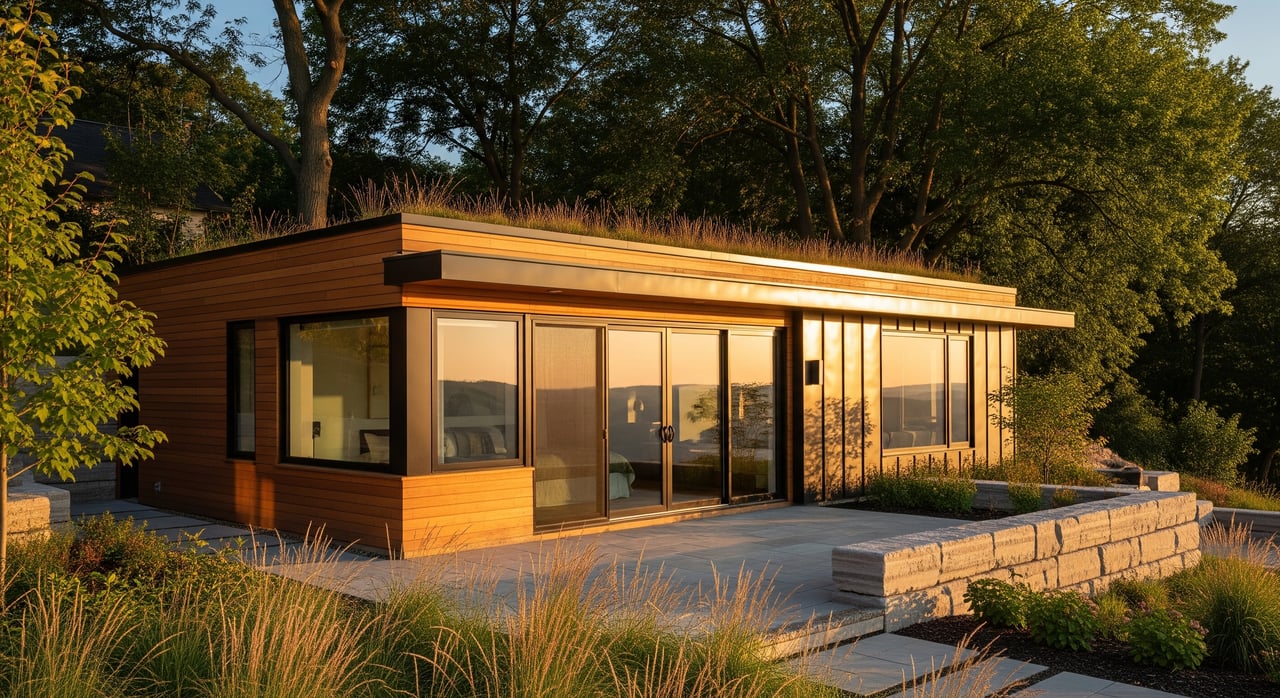
Thinking about adding a garden suite to your Dundas property, but not sure where to start? You are not alone. Homeowners across Hamilton are exploring backyard homes for rental income, space for family, or future flexibility. In this guide, you will learn what a garden suite is, how Hamilton’s rules affect your lot, and the practical steps to move from idea to keys in hand. Let’s dive in.
Garden suite basics in Dundas
A garden suite is a self-contained home in the rear yard of a single-detached or semi-detached property. You may also hear terms like backyard suite or carriage house. It is separate from the main dwelling and includes its own kitchen, bathroom, and living space.
Homeowners choose garden suites for different reasons. You might want steady rental income, a private place for multigenerational living, or an option to downsize on your own lot. Garden suites also add gentle density to help meet local housing needs in Hamilton.
Zoning and approvals in Hamilton
Your first step is to confirm whether your Dundas property is zoned to allow a detached garden suite. The City of Hamilton regulates where and how secondary units are permitted. Rules often cover size, height, setbacks, parking, and lot coverage.
- Ask planning staff if a garden suite is permitted as-of-right on your lot or if you need approvals such as a minor variance or a temporary use by-law under the Planning Act.
- If your design does not meet a zoning standard, you may apply to the Committee of Adjustment for a minor variance.
- Some projects can trigger site plan control, which addresses grading, landscaping, and access.
Have a clear list of questions ready. Confirm maximum unit size, height, and setbacks, whether parking is required, and the typical timeline and fees for approvals and building permits.
Heritage and conservation checks
Parts of Dundas include heritage-designated properties and areas near valleylands or floodplains. These factors can change what is feasible and how long approvals take.
- If your property is in a heritage district or listed on a register, you may need heritage approvals for exterior changes in view from the street.
- Sites near valleylands or escarpments may require conservation authority review. Floodplain or slope constraints can limit placement or foundation options.
- Confirm any registered covenants or easements on title that could restrict accessory buildings.
Early confirmation prevents redesigns later and helps you plan a realistic path to approval.
Building Code essentials
A garden suite must meet the Ontario Building Code. This includes minimum room sizes and ceiling heights, proper insulation and ventilation, and compliant plumbing and electrical systems.
- Fire safety is essential. Expect requirements for smoke and carbon monoxide alarms, safe exits, and guards for stairs or elevated areas.
- Energy efficiency standards apply and will influence design choices like windows, insulation, and HVAC.
- A building permit is required. Plans must show how the unit meets code, from structure to mechanicals.
Work with a qualified designer or architect who knows small-footprint residential design and local code requirements.
Site and servicing realities
Dundas’ topography and mature trees make backyard homes attractive, but they can add complexity.
- Slopes and valley conditions can require grading, retaining walls, or specialized foundations.
- Tree protection rules may affect placement and footprint. You may need mitigation or adjusted siting to protect mature trees.
- Plan for safe pedestrian access to the suite. If parking is required, confirm the location and size early.
- Servicing often drives cost. Tying into municipal water and sewer, or upgrading a private septic system, can be significant. Drainage and stormwater management should be confirmed during design.
Decide if you prefer separate utility metering for hydro, gas, and water. Separate meters can simplify billing but add complexity and cost up front.
Construction approaches and timelines
There are several valid ways to build a garden suite. The right choice depends on your site, budget, and schedule.
- Site-built custom construction offers design flexibility and can respond to unique lot conditions.
- Modular or prefabricated units can reduce on-site time and improve cost predictability, especially for straightforward sites.
- Converting an existing accessory structure, like a garage, or adding a suite above a garage may be possible if zoning allows and the structure can support it.
Timelines vary. Design and approvals can take weeks to many months, especially if variances, heritage review, or conservation authority input is needed. Construction for a small, straightforward build commonly takes 3 to 6 months, with longer schedules for complex sites.
Costs, financing, and incentives
Total costs depend on size, finishes, foundation, site preparation, and utility connections. Builders will price differently based on your design and site complexity, so local quotes are essential.
- Financing options may include a home-equity loan or line of credit, a construction mortgage, or a personal loan. If you plan to count rental income for financing, confirm lender requirements early.
- Check for municipal, provincial, or federal incentives for secondary suites or energy upgrades. Programs change over time, so verify current offerings before you commit.
- Property assessment and municipal taxes often increase when you add a new dwelling. In Ontario, assessments are handled by MPAC; confirm likely impacts with the tax office.
- Rental income is taxable. Track allowable expenses and consult an accountant. HST treatment for new residential units can be complex, so professional advice is recommended.
A clear pro forma with realistic costs, expected rent, and contingencies will help you decide whether the project supports your goals.
Insurance and tenancy rules
Notify your insurer when you add a rental unit. Coverage and premiums will change, and additional liability protection may be recommended.
- Long-term tenants in Ontario are covered by the Residential Tenancies Act. Learn the rules on leases, rent increases, maintenance, and eviction before you advertise the unit.
- Short-term rentals may be regulated differently by municipal by-laws and insurers. Confirm what is allowed on your property and what your policy covers.
Set clear processes for screening, maintenance, and communication so you can be a reliable housing provider.
Market fit in Dundas
Before you build, research rental demand and typical unit sizes in Dundas and nearby Hamilton neighborhoods. Proximity to amenities, transit routes, and post-secondary institutions can influence rent and vacancy.
If your goal is to improve resale value, review recent sales in Hamilton where garden suites were a feature. Some buyers will value a compliant, well-designed suite for income or family use. Others may focus on yard size or maintenance. Knowing your likely buyer helps guide design choices like one-bedroom versus studio and whether to add accessibility features.
Step-by-step plan
Use this practical roadmap to keep your project on track:
- Pre-application
- Confirm zoning permissions with City of Hamilton planning staff for your Dundas address.
- Check for heritage designation, conservation constraints, covenants, and easements.
- Book a pre-consultation with planning and building staff if available.
- Obtain a current survey and assess topography, trees, and existing utilities with a qualified designer.
- Design and approvals
- Engage an architect/designer or modular supplier to draft plans that meet zoning and Building Code.
- If needed, submit applications for minor variance, temporary use, rezoning, or site plan control.
- Coordinate any required heritage or conservation authority reviews.
- Prepare your building permit application with detailed drawings and specifications.
- Construction and commissioning
- Pull the building permit and follow the inspections schedule.
- Arrange utility connections and confirm wastewater and drainage solutions.
- Update insurance and, if applicable, notify your mortgage lender.
- Complete final inspections and occupancy steps.
- Operations
- If renting, use a lease that aligns with the Residential Tenancies Act.
- Decide on separate metering or bundled utilities and set a fair rent based on local data.
- Plan ongoing maintenance and recordkeeping for taxes and insurance.
Is a garden suite right for you?
A garden suite can create long-term flexibility and value for a Dundas homeowner. The keys to success are confirming zoning early, designing for your site, budgeting for servicing and approvals, and aligning the project with your financial and lifestyle goals. With good preparation and the right advisors, you can add useful space for family or tenants and strengthen your property’s appeal.
If you want a clear read on how a garden suite might impact your property’s market value, reach out to Alicia Haight for local, data-informed guidance and to book a property valuation.
FAQs
What permits does a Dundas garden suite require?
- You will need a building permit and, depending on zoning and site specifics, may also need a minor variance, a temporary use by-law, site plan approval, and heritage or conservation approvals.
How long do approvals and construction take in Hamilton?
- Design and approvals can take weeks to many months based on variances or reviews, and construction for a small, straightforward suite commonly takes 3 to 6 months.
Will adding a garden suite raise my property taxes?
- Adding a separate dwelling often increases assessed value, which can raise property taxes; confirm likely impacts with MPAC and the City of Hamilton tax office.
Do I need separate utility meters for a garden suite?
- Separate metering is optional; it can simplify tenant billing but adds upfront complexity and cost, so decide based on your budget and management plans.
Are short-term rentals allowed for garden suites in Hamilton?
- Short-term rentals may be subject to local by-laws and different insurance terms; confirm the current rules and your policy coverage before listing.