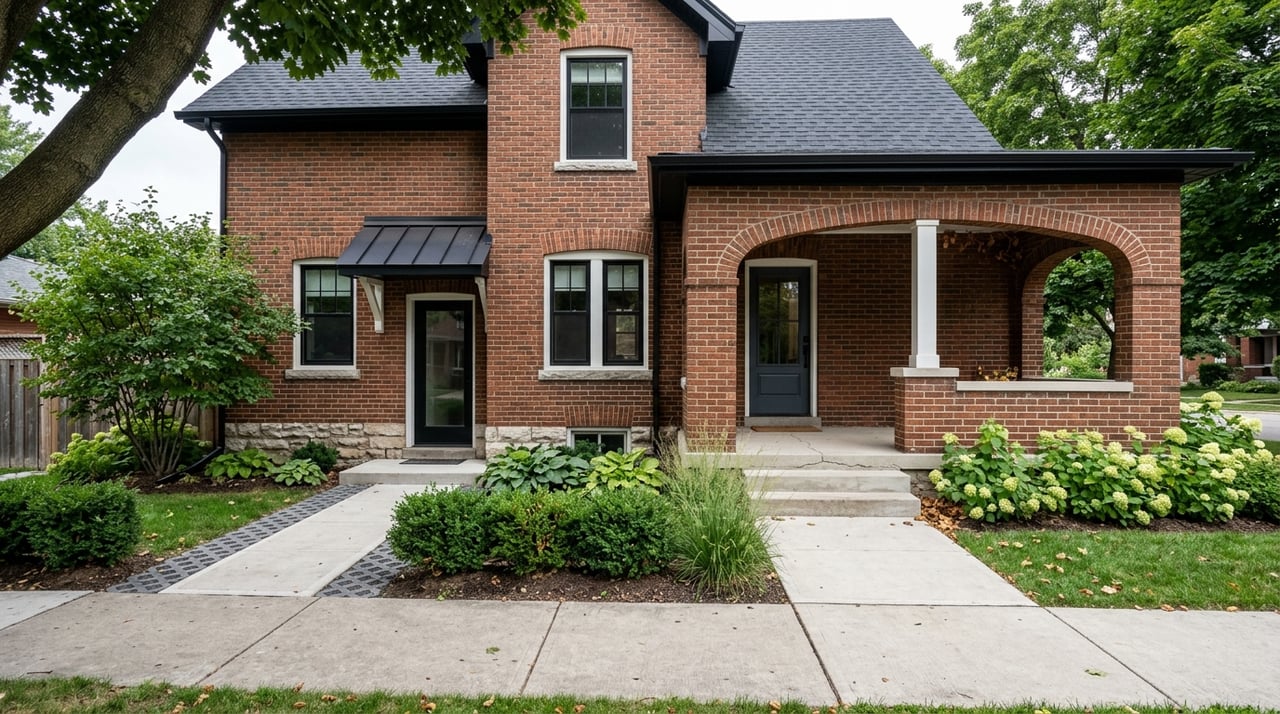
Looking at Cambridge for your next small infill or multi‑unit project? You are not alone. Investors and homeowners are adding units and reviving main‑street buildings across the city, and clear rules now make many of these projects possible. In this guide, you will learn where Cambridge encourages gentle density, what you can build, how approvals work, and what to check first to save time and money. Let’s dive in.
Why Cambridge is primed for gentle density
Strong rental demand across the Kitchener–Cambridge–Waterloo region supports small rentals and conversions. The latest CMHC Rental Market Report for the CMA is the best place to size vacancy and average rents for underwriting. You can review current CMA figures in the CMHC Rental Market Report portal.
Transit and provincial policy also point to more density near downtown Cambridge. The Region advanced the Stage 2 ION LRT extension into the Galt core, with Council direction to pursue funding and detailed design. That makes sites within walking distance of future stations more compelling for mixed‑use and modest multi‑unit projects. At the same time, the Provincial Planning Statement 2024 sets minimum density expectations in Major Transit Station Areas. These targets strengthen the case for higher‑intensity projects near the planned line.
Finally, Cambridge planning is updating zoning to better enable missing‑middle housing. The active Zoning By‑law Review highlights garden suites, duplexes, triplexes, fourplexes and low‑rise apartments, which helps small projects fit into more neighborhoods.
What you can build in Cambridge
Additional Residential Units on most lots
Cambridge permits up to two Additional Residential Units on a lot with a single detached, semi or street townhouse, for a total of three units. ARUs include basement apartments and detached backyard or laneway suites. The City requires one extra parking space per ARU, a building permit, and Ontario Building Code compliance. ARUs are not permitted in hazard lands. City and Regional development charges do not apply to ARUs, although school board charges may. See the City’s ARU guidance for full rules and examples.
Duplex, triplex and fourplex conversions
Gentle density is often possible through as‑of‑right zoning or with a minor variance. If your plan results in up to three units, check the ARU rules first since they offer a streamlined path. Projects with four to ten units may trigger site plan control, which changes the application steps, timelines and fees. Cambridge’s Zoning By‑law Review is focused on enabling these missing‑middle forms, so confirm the latest adopted text and mapping.
Small walk‑ups and compact mixed‑use (4–10 units)
Walk‑up rentals and small mixed‑use buildings can be feasible on main corridors and near transit. In Cambridge, many projects in the four to ten unit range fall under site plan control. If the lot is within a Major Transit Station Area or a City Prescribed Area, expect more detailed design and servicing requirements. Review the City’s Site Plan Approval Process to understand application types, timelines and fees.
Upper‑floor residential over storefronts
Cambridge’s Core Areas Community Improvement Plan historically offered grants for upper‑floor residential conversions and façade work in downtowns. Application windows can be time‑limited and the current Core Areas CIP window is noted as closed as of December 15, 2025. Check the City’s incentives page for any active or successor programs if you are targeting a main‑street building.
Where to focus your search
- Galt City Centre and the Urban Growth Centre. City height guidelines and urban design work support reinvestment downtown while respecting heritage and riverfront constraints. Properties near future ION stations in the core have the strongest policy support for added density.
- MTSA and transit corridor areas. Sites within roughly 500 to 800 metres of future Stage 2 ION stations will be planned to meet provincial MTSA density expectations. If you can walk to the line, your case for reduced parking and added units improves.
- Hespeler Village and Preston Town Centre. These areas include streetscape and urban design guidance and often permit mixed use with residential above commercial. They are ideal for upper‑floor conversions and smaller mixed‑use redevelopments.
- Regeneration and brownfield parcels. Select greyfield or former industrial sites can support higher floor area with the right studies and remediation. Scan active applications for comparables and recent approvals.
If you want more detail, the City’s Galt Height Guideline Study and the Region’s Stage 2 ION updates provide helpful context. Cambridge’s incentives page also outlines historic core‑area programs.
First‑pass site checklist
Use this quick checklist to screen any property before you invest in full due diligence.
Zoning and permissions. Confirm current zoning and whether your building type is permitted. Also check if the site sits in a Special Policy Area or is affected by the City’s zoning review mapping.
ARU eligibility. If you are adding up to two ARUs, confirm lot type, parking rules and hazard land limits. A building permit is required in all cases. Review the City’s ARU page for the detailed criteria.
Site plan triggers. If your proposal is four or more units, or in a Prescribed Area, site plan approval likely applies. This adds studies, timelines and securities. Read the City’s Site Plan Approval Process for requirements.
Heritage overlays and design. If your building is listed or sits in a Heritage Conservation District, plan for a heritage impact statement and design coordination. This can add time but can also make you eligible for certain grants when available.
Natural hazards and GRCA regulation. Use the GRCA’s Map Your Property and permit guidance to see if a site lies in a regulated area. Floodplains and steep slopes can limit habitable space and add permits and studies.
Servicing and sanitary capacity. Confirm municipal water and sewer availability. Some projects require a sanitary capacity worksheet at pre‑consultation. The City’s planning process page outlines what pre‑consultation can flag early.
Contamination and brownfields. If the property is or was industrial or a greyfield, budget for a Phase I ESA and possible Phase II and Record of Site Condition.
Parking and access. Check parking minimums and whether the City will consider reductions or shared parking, especially near transit. In core areas, reduced parking is often part of approvals.
Trees, grading and stormwater. Expect to provide tree preservation or landscape plans and civil engineering drawings during site plan.
Community input and timing. Minor variances and some site plans involve public notice and hearings. Early, transparent engagement can reduce objections and appeal risk.
Approvals and typical timelines
- Pre‑consultation. Strongly recommended. It confirms required studies and helps you avoid re‑submissions. Budget two to six weeks to schedule and receive a written record.
- Committee of Adjustment. For minor variances and consents, allow around eight to ten weeks from application to decision. There is a 20‑day appeal window if appealed.
- Zoning By‑law Amendment. Many files process in roughly four to six months, depending on complexity and public input.
- Site Plan Approval. The City aims to meet the 60‑day Planning Act timeline for complete applications. Expect technical iterations and legal agreement registration after final approval.
- Building permit. After site plan approval, apply for a building permit. ARUs specifically require a building permit and must pass all inspections before occupancy.
For details on steps and documents, see the City’s Planning Process, the Site Plan Approval Process, and ARU guidance.
Incentives and policy moves to watch
- ARU assistance through CMHC Housing Accelerator Fund. Cambridge has received funding and launched resources to encourage ARUs. Check the City’s Housing Accelerator Fund program page for current eligibility and timelines.
- Core Areas incentives. Upper‑floor residential and façade grants have been offered through the Core Areas CIP. As of late 2025, the application window is closed. Check the incentives page for any updates.
- Zoning By‑law Review. Cambridge is transitioning to a comprehensive by‑law with form‑based residential zones that enable missing‑middle housing. Review the Zoning By‑law Review materials and confirm current mapping with City staff before finalizing your design.
How to set up your project for success
Start with a right‑sized team that knows Cambridge. For most small infill and 4 to 10 unit projects, you will want a planner, civil engineer, architect or designer, and, where needed, a heritage consultant and environmental professional. If your site is close to the river or valleylands, engage GRCA early. For complex rezonings or appeals, consider a land use lawyer.
Next, move through these steps to de‑risk your plan:
- Run a quick zoning and ARU check using the City’s zoning resources and ARU page.
- Book pre‑consultation with City planning. Ask for a pre‑consultation record that lists required studies. If relevant, submit the sanitary capacity worksheet.
- Use GRCA’s permit guidance to screen for regulated features and book a pre‑consultation call if needed.
- Get a high‑level construction estimate and a Phase I ESA screening for suspect sites.
- If eligible, apply early to active City programs, including the ARU assistance program.
Work with a local advisor who understands development
You deserve clear, practical guidance from a team that knows how Cambridge approvals work and how to position small projects for success. If you are weighing ARUs, a duplex conversion, or a compact mixed‑use plan near future ION stations, let’s talk about timelines, approvals and value. Connect with Alicia Haight to book a property valuation and discuss a go‑to‑market plan tailored to your site.
FAQs
What are ARU rules in Cambridge?
- Cambridge allows up to two ARUs on lots with a single, semi or street townhouse, with one extra parking space per ARU, a building permit, and compliance with the Ontario Building Code.
Do small 4–10 unit buildings need site plan approval?
- Often yes. In Cambridge, many projects with four to ten units trigger site plan control, especially in Prescribed Areas or near MTSAs, which adds studies, fees and agreements.
Where should I look for gentle density opportunities?
- Focus on Galt City Centre, future Stage 2 ION station areas, Hespeler Village and Preston Town Centre, and select regeneration parcels with appropriate studies.
How does Stage 2 ION affect small developments?
- Properties within walking distance of planned stations benefit from stronger policy support for density and may justify reduced parking, aligning with MTSA expectations under PPS 2024.
What is the typical timeline to add ARUs or convert a duplex?
- With a complete design and building permit submission, ARUs can move faster than larger projects. If you need minor variances, plan for an 8 to 10 week Committee of Adjustment timeline before permits.
Are there incentives to help fund ARUs?
- Cambridge has resources through the Housing Accelerator Fund to support ARU creation. Check the current program page for eligibility and application windows.
What risks can derail an infill project?
- GRCA‑regulated hazards, strict heritage constraints, limited sanitary capacity, contamination requiring remediation, or strong neighborhood opposition that leads to appeals can all add time and cost.
References for further reading:
- CMHC Rental Market Report, Kitchener–Cambridge–Waterloo CMA
- Stage 2 ION LRT to Cambridge
- Provincial Planning Statement 2024 and MTSA policy
- Cambridge ARU guidance
- Cambridge Site Plan Approval Process
- Cambridge Planning Process and pre‑consultation
- GRCA permit guidance
- Zoning By‑law Review
- Core Areas incentives