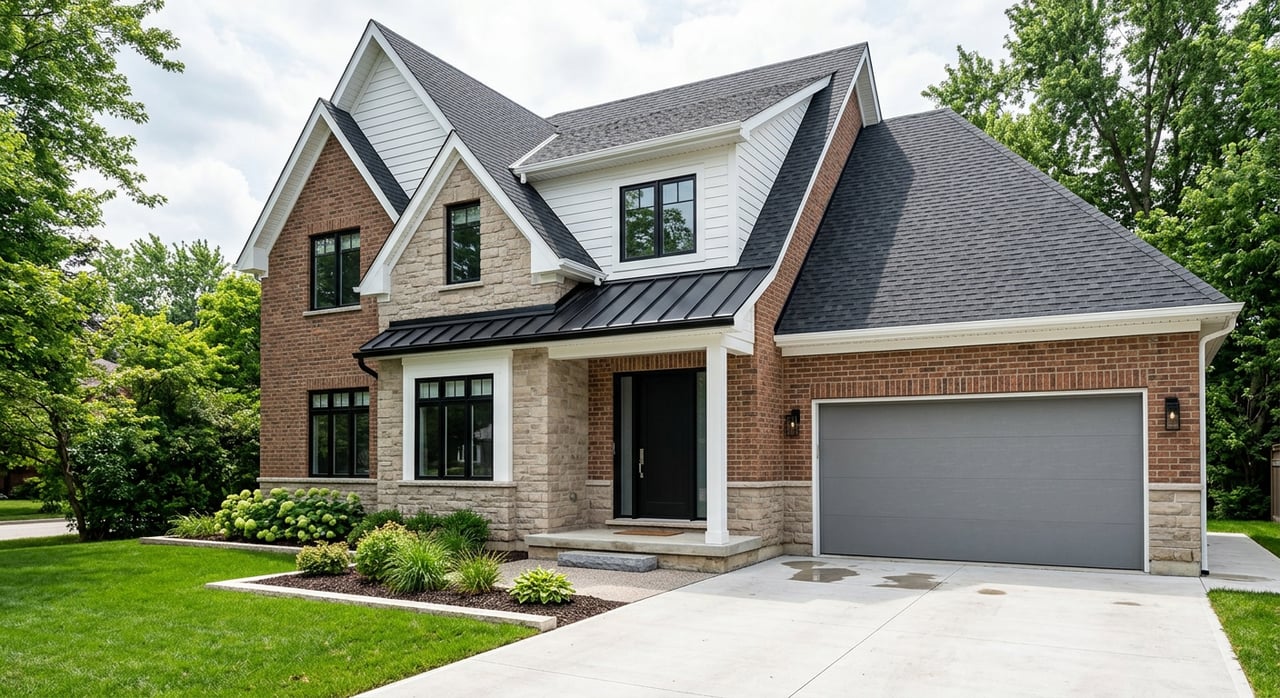
Thinking about a new-build home in Ayr but not sure what to expect? You’re not alone. Ayr is drawing attention for its small‑town feel, larger lots, and quick access to Kitchener‑Waterloo and the 401. In this guide, you’ll learn what today’s new-build neighbourhoods typically offer, what timelines and costs to plan for, how Ontario’s new‑home warranty works, and what commuting and transit look like. Let’s dive in.
Why Ayr is on buyers’ radar
Ayr is the primary urban settlement in North Dumfries, within Waterloo Region. The Township and Region have planned for focused growth here, making it a natural choice if you want a quieter setting while staying connected to regional jobs and amenities. Local engineering and source‑water protections shape how new communities are designed, which helps protect Ayr’s groundwater and natural systems.
These safeguards are practical for you to understand. The Township’s Ayr Stormwater Management Master Plan outlines stormwater infiltration rules and wellhead‑protection zones that can influence lot grading, subdivision design, and approvals timing. You can review the technical context in the Township’s Ayr Stormwater Management Master Plan. Waterloo Region also frames North Dumfries as part of a growing economic area with access to major employers and the 401 corridor, as highlighted by Waterloo EDC’s regional spotlight.
What new-build neighbourhoods offer
Typical home types
Most Ayr-area new builds follow a familiar mix you see around the Kitchener‑Waterloo fringe: 2‑storey detached homes with 3 to 4 bedrooms, semi‑detached homes, and townhomes. Some projects also include single‑storey bungalow plans or bungalow‑with‑walkout options that appeal to downsizers. To visualize the product style, look at master‑planned examples in nearby markets, such as Mattamy’s Kitchener communities, which show similar detached and townhouse formats and finishes (example community overview).
Floor plans and finishes you can expect
Expect open‑concept main floors that combine kitchen, island, and family spaces, plus a main‑level powder room. Upstairs, most detached and larger townhomes include a primary suite with an ensuite and walk‑in closet, along with 2 to 3 additional bedrooms and a laundry room on either the main or upper floor. Garages are often single or double, and basements are usually unfinished at closing with optional finishing packages available.
Finish levels vary by builder and lot. You typically choose from categories like flooring, cabinetry, countertops, hardware, lighting, and trim packages. Ask for a written inclusions list and a clear price sheet so you know what’s standard versus an upgrade.
Performance and incentives
Energy features in newer homes
Many new homes now include higher baseline energy performance than older resales. That can mean better insulation, tighter building envelopes, higher‑efficiency mechanicals, and improved windows. The result is often increased comfort and lower operating costs.
CMHC Eco Plus potential
If the home meets eligible energy certifications or EnerGuide targets, you may qualify for CMHC Eco Plus, which can refund a portion of your insured mortgage premium. Review the program and eligibility details on CMHC’s Eco Plus page. Ask builders what efficiency standard your home will meet and request documentation early so your lender can assess your eligibility.
Warranties, contracts and consumer protection
How the Ontario new‑home warranty works
Most new homes in Ontario come with a statutory builder warranty that is administered and backstopped by Tarion. Coverage flows across time periods, typically summarized as pre‑possession protections and then 1‑, 2‑ and 7‑year coverage bands after you take possession. Tarion explains what is covered, when to file, and how the process works in its New Home Warranty overview.
Recent updates to coverage limits
Tarion has improved protections for buyers in recent years. For freehold homes with Agreements of Purchase and Sale signed on or after July 1, 2023, statutory coverage limits increased to $400,000 and a temporary relocation warranty was added for homeowners affected by repairs. You can read the highlights directly from Tarion’s program update.
Smart steps before you sign
- Verify the builder’s registration and history using the Ontario Builder Directory and HCRA resources linked from Tarion’s Know Your New Home Warranty page.
- Have a real estate lawyer review the Agreement of Purchase and Sale. This defines inclusions, upgrade changes, deposit schedules, and occupancy/closing conditions.
- Keep meticulous records. File your builder documents and written confirmations, and understand deposit protections and pre‑possession safeguards described by Tarion.
Infrastructure, phasing and costs to know
Servicing and environmental rules
Ayr’s stormwater infiltration areas and wellhead‑protection zones influence how subdivisions are engineered and how lots are graded. In some cases, these technical requirements can affect approval timelines or site layouts. For the deeper planning context, see the Township’s Ayr Stormwater Management Master Plan.
Development charges and permits
New homes typically include regional development charges and municipal permit fees. In North Dumfries, these costs are handled through the building‑permit process or as specified in your Agreement of Purchase and Sale. Confirm exactly which charges you are responsible for and when they are collected by reviewing the Township’s building permit information.
Phasing realities
Most master‑planned neighbourhoods roll out in phases. Early phases often have active construction, fewer mature trees, and limited nearby retail until later phases and municipal works are complete. Ask the builder for a phase map and amenity schedule so your expectations match the timeline.
Commuting and regional access
Drive times you can test
Ayr offers a practical commute to Kitchener‑Waterloo with typical off‑peak drives in the 20 to 30 minute range and distances around 20 to 25 km. Travel to downtown Toronto is roughly 110 to 120 km, often 1¼ to 1½ hours depending on traffic and route. For a quick reference, see a sample distance and time from Ayr to Kitchener on Travelmath. Always test your route during your usual commute window.
Transit today
Regular fixed‑route transit within Ayr is limited at this time. Grand River Transit’s specialized on‑demand MobilityPLUS service covers eligible riders in parts of North Dumfries, but most residents drive to Kitchener/Cambridge or to park‑and‑ride options for regional service. You can review transportation context in the Township’s transportation study materials. If transit access is important, factor that into your neighbourhood and lot selection.
Quick buyer checklist for Ayr new builds
- Research the builder’s registration and history using Tarion’s resources and the Ontario Builder Directory. Start with Tarion’s Know Your New Home Warranty.
- Request a written inclusions list and a net‑price worksheet that separates standard items from upgrades.
- Confirm the deposit schedule and how your deposits are protected, per Tarion guidelines.
- Ask the builder to outline all municipal charges you pay and when they are collected. Cross‑check with the Township’s building permit page.
- Verify lot servicing and grading rules that could affect landscaping or irrigation. The Township’s SWM Master Plan explains local constraints.
- Ask what energy standard or certification the home targets and whether you might qualify for CMHC Eco Plus.
- If you plan to commute, test your route at peak times. Use tools like Travelmath’s distance/time as a starting point, then do a live drive.
Is a new build in Ayr right for you?
If you want small‑town living with regional access, newer construction, and the chance to tailor finishes, Ayr is worth a close look. You will trade a bit on transit access and early‑phase construction around you, and you should be comfortable navigating builder contracts and municipal timelines. With the right preparation and guidance, you can secure a home that fits your lifestyle and offers long‑term value.
If you’re weighing your options or want a second set of eyes on a builder’s package, reach out to Alicia Haight for local, detail‑driven advice.
FAQs
What home types are common in Ayr’s new-build neighbourhoods?
- You’ll typically see 2‑storey detached homes with 3–4 bedrooms, semi‑detached options, and townhomes, with some projects also offering bungalow plans for single‑level living.
How does Tarion protect my new home purchase in Ayr?
- The Ontario new‑home warranty provides pre‑possession protections and then 1‑, 2‑ and 7‑year coverage bands for different types of defects, with the builder responsible first and Tarion backstopping the program.
What municipal fees should I budget for on a new build in Ayr?
- Expect regional development charges and municipal permit fees; confirm what you pay and when, either in your Agreement of Purchase and Sale or at the building‑permit stage.
How long is the commute from Ayr to Kitchener or Toronto?
- Off‑peak, Ayr to Kitchener is often 20–30 minutes for about 20–25 km, while Ayr to Toronto is roughly 1¼ to 1½ hours for about 110–120 km, depending on traffic and route.
Is there regular public transit in Ayr for daily commuting?
- Fixed‑route service within Ayr is limited; most residents drive to Kitchener/Cambridge or to park‑and‑ride options. Specialized on‑demand MobilityPLUS serves eligible riders in parts of North Dumfries.
Can I get a CMHC insurance refund for an energy‑efficient new home?
- You may qualify for CMHC Eco Plus if the home meets eligible energy‑efficiency standards; ask your builder for documentation and confirm eligibility with your lender.
Why can approvals or lot grading change in Ayr new-builds?
- Local stormwater infiltration and wellhead‑protection requirements can influence subdivision engineering, which may affect site layouts, lot grading, and timelines during approvals.