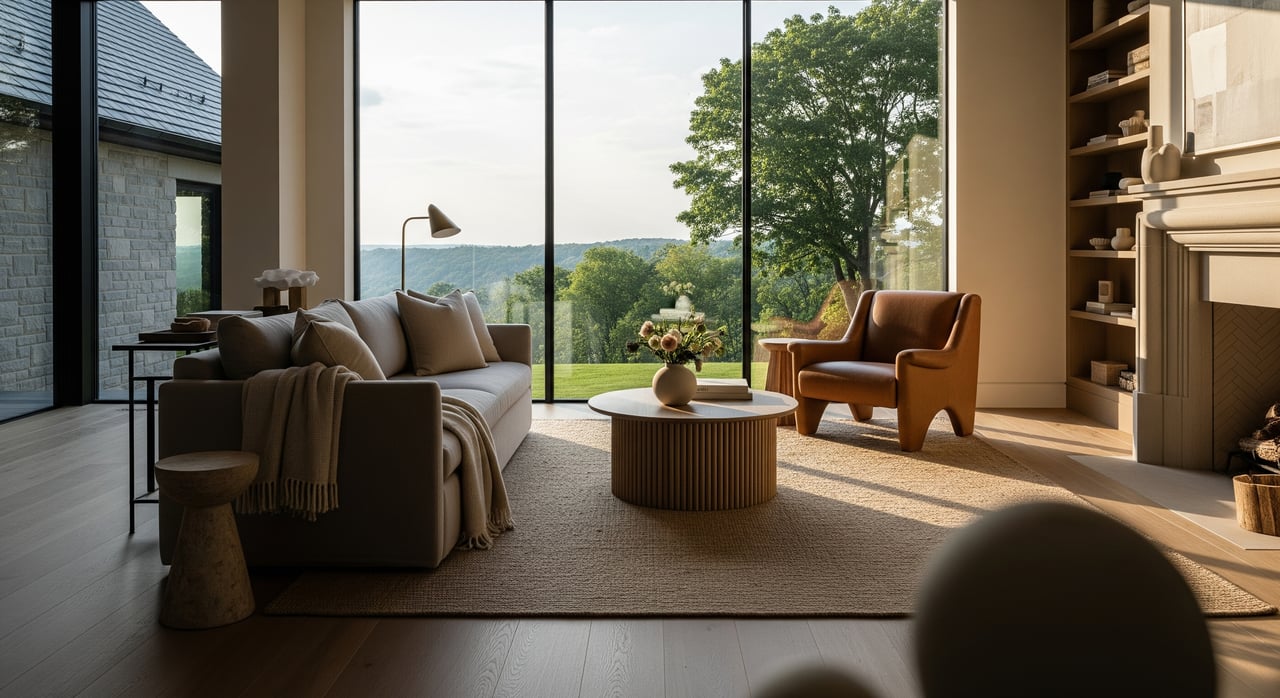
Is your Ancaster property truly showing its full potential? Even the most beautiful estate can feel cold or confusing to buyers when rooms are empty or styling is off. If you want top-tier interest from qualified buyers, staging can help you present a complete lifestyle that fits the Ancaster market. In this guide, you’ll learn when staging is worth it, how to approach it for luxury homes, and what to plan for from start to finish. Let’s dive in.
Why staging matters in Ancaster’s luxury market
Ancaster buyers look for generous lots, conservation-area proximity, high-end finishes, and a move-in ready feel. Staging helps you meet those expectations in a clear, memorable way.
- Communicate scale and function. Large rooms or unusual layouts can feel empty or overwhelming when vacant. Thoughtful furniture placement shows how spaces flow and how they can be used.
- Showcase lifestyle. From outdoor kitchens and pools to a chef’s kitchen or spa bath, staging highlights the experiences buyers want in this price range.
- Increase perceived value. Elevated textiles, art, and lighting can enhance the look of finishes and support your pricing strategy.
- Reduce time on market. Professionally staged and photographed listings tend to draw stronger early interest, which can help you avoid unnecessary days on market.
When staging makes the biggest difference
The impact of staging depends on market conditions. In a balanced or buyer-favourable luxury segment, staging helps you stand out among similar listings. In a very hot sellers’ market, you may scale back, but you should still prepare key areas so photos and showings impress.
Use recent Ancaster sold data and active competition to decide the right level. Consider your timeline, pricing strategy, and how your home’s finishes compare with nearby listings.
Room-by-room strategies that work
Curb appeal and exterior
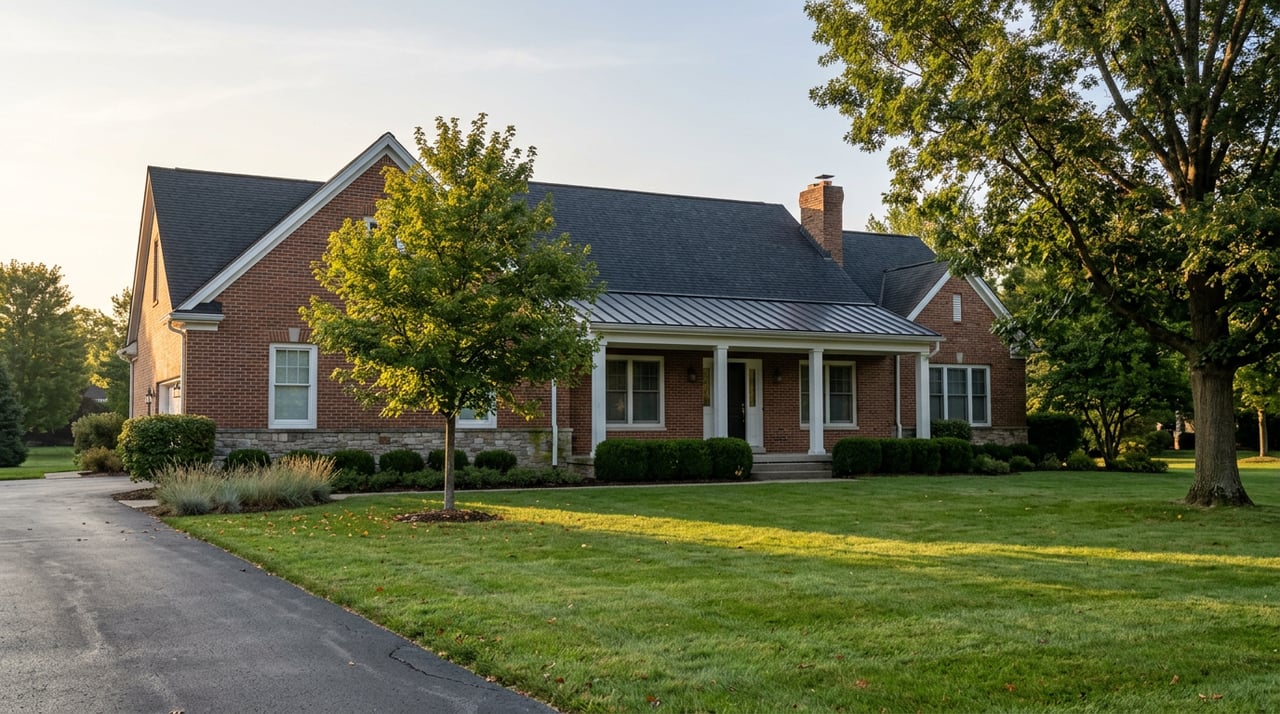
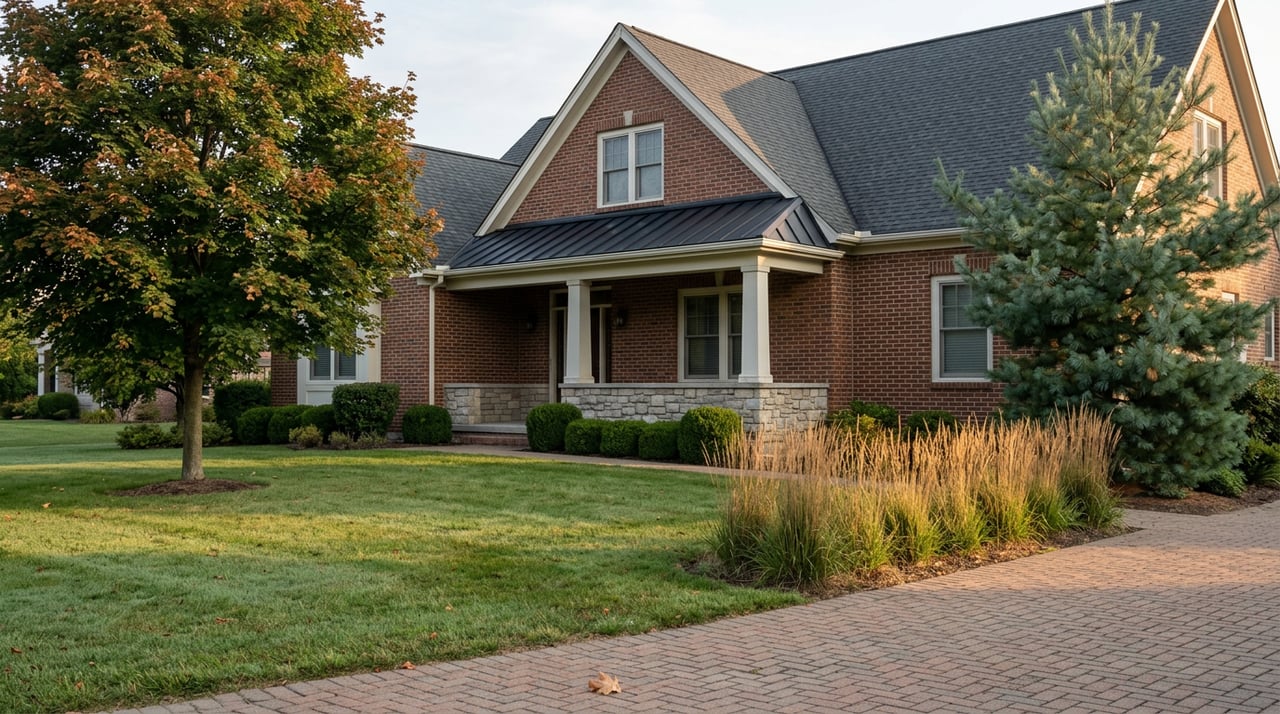
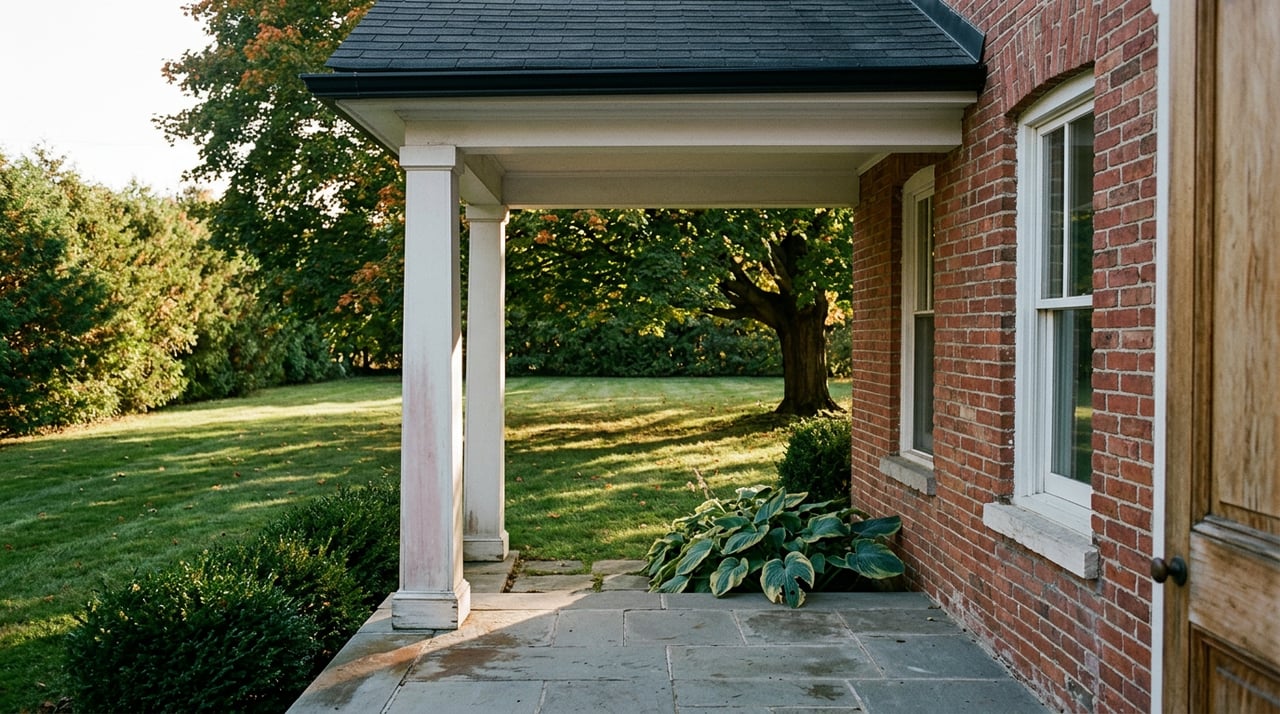
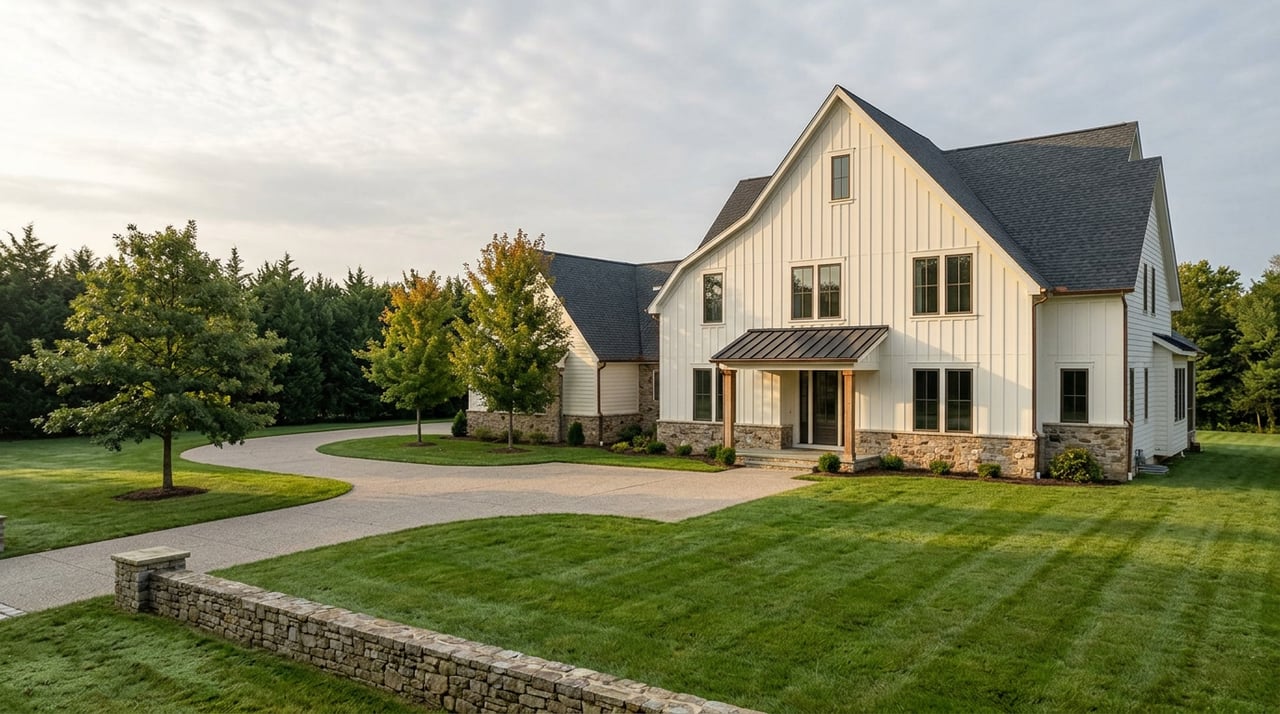
First impressions are critical. Refresh landscaping, ensure pathways and driveways are clean, and check exterior lighting. For heritage properties, maintain original character while keeping the entry spotless and accessible. Consider twilight photos and staged outdoor seating to show entertaining potential.
Entry and flow
Your entry should feel welcoming and clear. Use scaled furnishings to guide movement between rooms so buyers understand how the home connects. A statement console, mirror, or art can set the tone without clutter.
Living and great rooms
Define seating areas to show both conversation and media zones. Choose furniture that fits the size of the room so it neither feels empty nor cramped. Highlight focal points like fireplaces, views, or built-ins.
Kitchen and dining
Remove visual clutter so finishes and appliances shine. Style the island with a simple vignette. In the dining area, a restrained tablescape helps buyers picture gatherings without feeling staged or fussy.
Primary suite and bathrooms
Create a sense of retreat. Use crisp bedding, layered pillows, and neutral art. In the ensuite, keep counters clear, add high-quality towels, and use subtle accessories to suggest a spa-like experience.
Specialty rooms
Make the intended use obvious. In a home theatre, arrange seating to show screen scale. In a gym, select clean, functional equipment with good spacing and lighting. For wine rooms, show storage and a small tasting moment. If a space is unfinished, demonstrate a compelling option with either physical or virtual staging.
Basements and ancillary spaces
Clarify how lower levels add usable square footage. Stage a media lounge, guest suite, or office to show flexibility. Keep storage areas tidy so the whole level feels purposeful.
Outdoor living and landscaping
Ancaster buyers value outdoor space and privacy. Stage patios, decks, pools, and outdoor kitchens to show entertaining zones. If you back onto conservation land, draw attention to views and serenity with subtle seating and lighting.
Lighting, art, and accessories
Layer lighting with floor lamps, table lamps, and overheads to add warmth. Use high-quality art and textiles that suit the property’s character, whether heritage or contemporary. Keep accessories minimal and cohesive.
Photography and virtual experiences
Coordinate staging with a photographer experienced in luxury listings. Consider twilight images, floor plans, aerial photos where appropriate, and a 3D tour. Virtual staging can help with vacant rooms, but always disclose it and ensure images reflect real scale and layout.
What staging approach fits your property?
- Full staging. Furnish and accessorize main living spaces, the primary suite, the formal dining room, kitchen highlights, and select specialty rooms.
- Partial staging. Focus on entry, main gathering spaces, the kitchen, primary suite, and key outdoor areas to maximize impact on a tighter budget.
- Vacant-property staging. Furnish empty homes so scale and flow are clear. This often has a strong effect on buyer perception.
- Virtual staging. A cost-effective supplement for photos. Disclose edits and keep images realistic.
Costs and logistics to plan for
Budget depends on several factors. Rather than fixating on a single number, consider what influences price and timeline.
- Amount and quality of furniture and accessories needed for a luxury look
- Number of rooms, level of customization, and bespoke styling
- Rental duration, delivery and installation, and deinstallation labor
- Delivery logistics for larger pieces, driveway or heritage constraints
- Insurance coverage for rental items and liability during install and showings
- Additional services such as cleaning, minor repairs, landscaping, and seasonal care
Timing and timeline
Schedule staging as part of pre-listing prep so your photos and marketing launch at their best. Allow time for consultation, delivery, styling, and photography before your listing goes live.
Insurance and safety
Confirm the stager’s insurance and your own coverage for rental items. Ensure layouts meet safety and egress standards with clear pathways and stair access.
Local permissions and disclosure
For heritage properties within Hamilton, check relevant planning rules before exterior changes or permanent fixtures. Follow local board guidelines on open-house signage. Disclose any virtually staged images.
How to choose the right luxury stager
- Ask for a portfolio of staged luxury properties similar to yours, ideally in Ancaster or the Hamilton area.
- Request references and before-and-after case studies.
- Confirm inventory quality and whether it suits your property’s style.
- Clarify what the fee includes, contract length, and cancellation terms.
- Review insurance and damage policies for both items and property.
- Confirm coordination with your photographer, landscaper, and listing agent, plus a de-staging schedule.
- If using virtual staging, ask about disclosure and accuracy standards.
When to scale back staging
- You plan to price well below market for a quick sale. Minimal staging may still help, but you can keep it simple.
- The property is marketed “as-is” to developers or investors who do not prioritize presentation.
- Local comps suggest little benefit at your price point. Reassess after reviewing recent Ancaster sales and active competition.
A practical pre-listing checklist
- Review recent luxury solds and active listings in Ancaster to gauge competition and presentation level.
- Book a consult with a stager experienced in high-end homes.
- Align staging with premium photography, floor plans, drone, and a 3D tour.
- Prioritize curb appeal, entry, living areas, kitchen, primary suite, and outdoor spaces.
- Confirm contracts, insurance, and installation timelines in writing.
- Disclose virtual staging and follow local board rules.
Final thoughts
Staging is not about decorating. It is a strategy to help buyers understand your home’s scale, flow, and lifestyle, which is essential in Ancaster’s luxury segment. When you coordinate elevated staging with high-end photography and a strong pricing plan, you give your property the best chance to stand out.
If you are considering selling a luxury home in Ancaster and want a tailored plan for presentation and exposure, connect with Alicia Haight to book a property valuation.
FAQs
Is staging worth it for Ancaster luxury homes?
- In many cases, yes; staging helps buyers see scale and lifestyle, which can shorten market time and support your pricing strategy.
How long should I plan for staging before listing photos?
- Allow time for a consult, delivery, installation, and styling so staging is complete before photography and the listing launch.
Which rooms should I stage first in a high-end Ancaster home?
- Focus on curb appeal, entry, main living areas, the kitchen, the primary suite, and key outdoor spaces.
How does virtual staging work for luxury listings?
- Digital furnishings are added to photos of empty rooms; always disclose edits and keep images realistic to the home’s layout and scale.
Do outdoor spaces need staging in Ancaster?
- Yes; buyers value privacy and outdoor living, so staged patios, decks, pools, and views can be a major draw.
Are there special steps for heritage homes in Hamilton?
- Check applicable heritage planning rules before exterior changes and ensure any staging elements respect the property’s character.