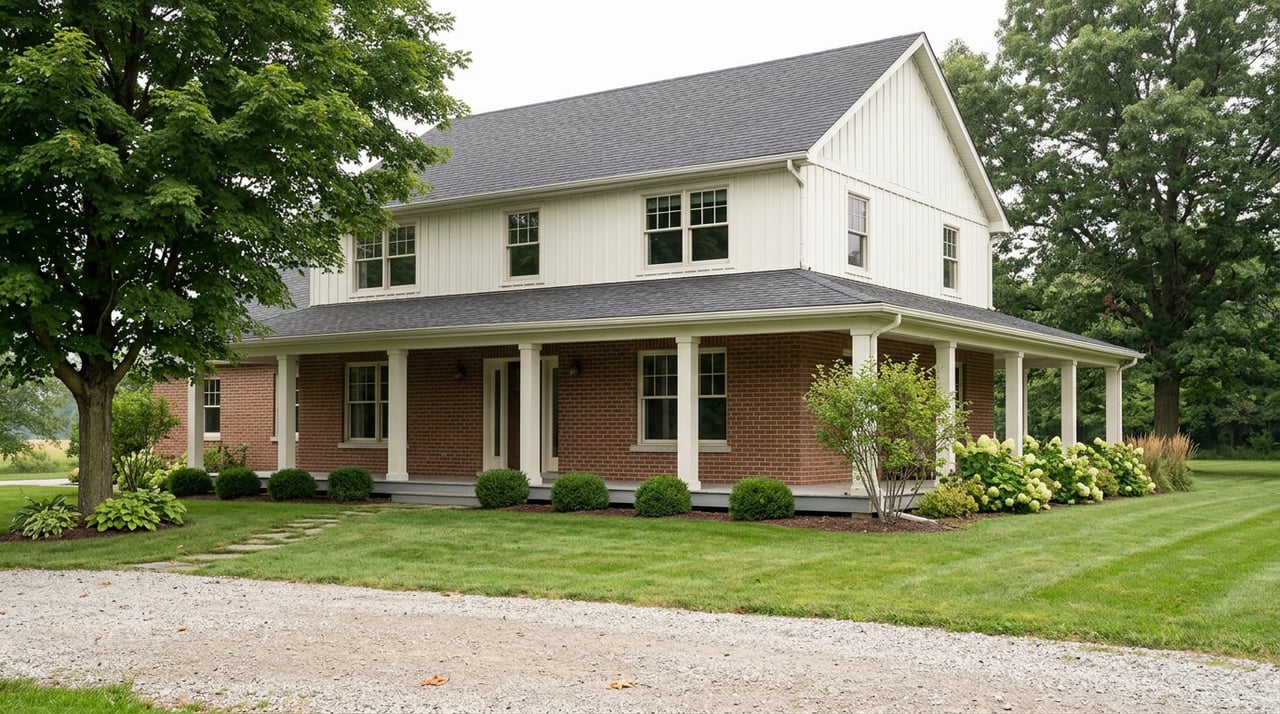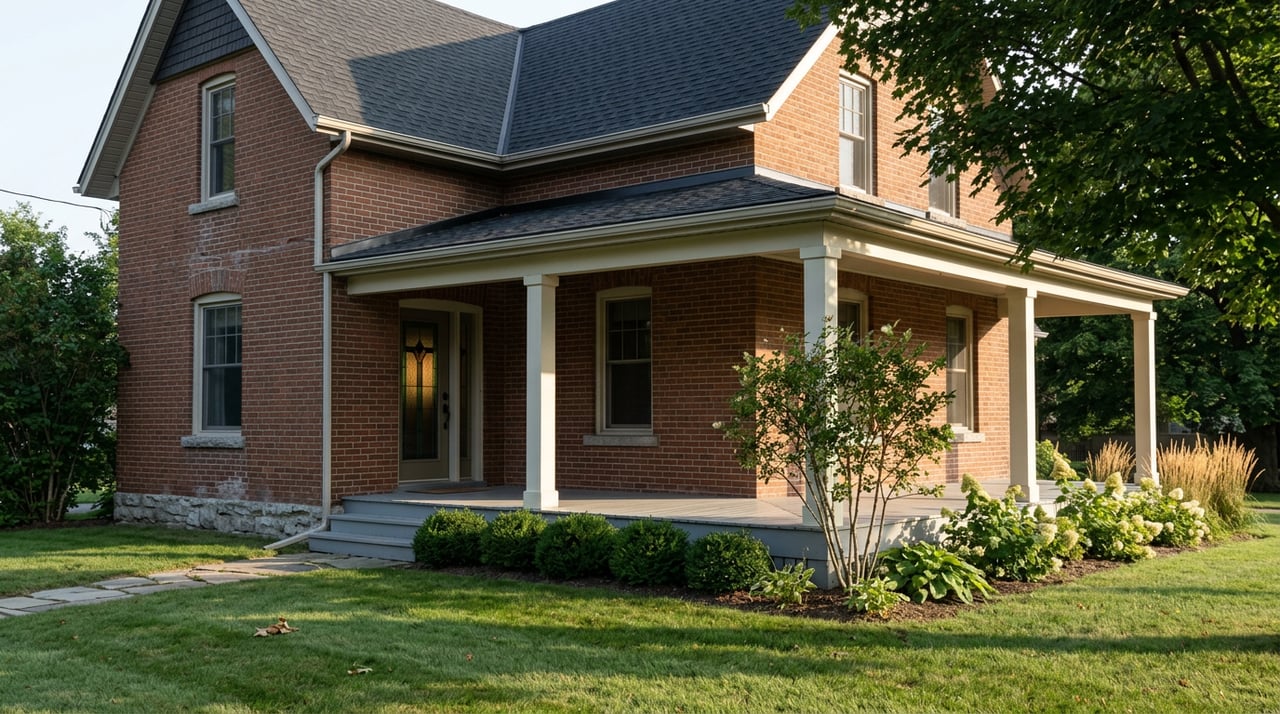
Thinking about trading your starter home for a place near the water in Paris? It is an exciting move, but it also comes with more moving parts than a typical sale. You need to time your sale and purchase carefully, protect yourself with the right conditions, and look closely at floodplain and permit questions before you commit. This guide will help you understand what to expect so you can move up with more confidence. Let’s dive in.
Why Paris move-up sellers are in a unique spot
If you own a starter home in Paris, you may be in a better position than you think. The Brantford Regional Real Estate Association reported that lower-priced single-detached homes were tightest below $500,000, while townhouses and row units were tightest below $600,000. That matters because homes in those price bands can still attract solid buyer interest.
At the same time, the broader market has become more balanced than it was a year ago. In March 2026, the region had 4.2 months of inventory, 329 new residential listings, and 501 active listings. In Q1 2026, the median days on market for single-detached homes reached 31, up from 17 a year earlier, which suggests many move-up properties may take longer to sell.
That creates an interesting window for move-up buyers. You may sell into a price segment with healthy demand, then shop in a part of the market with more choice and more room to negotiate. If your goal is river-adjacent living, that extra flexibility can be valuable.
What riverfront living means in Paris
River living in Paris is more than a marketing phrase. The County of Brant highlights paddling routes through downtown Paris and the Forks of the Grand, where the Nith and Grand rivers meet. The county also lists public river access points at Penman’s Dam and Bean Park, which reflects how connected the community is to the water.
The Grand River Conservation Authority identifies the stretch of the Grand River between Paris and Brantford as an Exceptional Waters reach. For many buyers, that adds to the appeal of owning close to the river. You are not just buying a house, you are buying into a setting that is closely tied to the local identity.
Still, lifestyle appeal should go hand in hand with practical review. River-adjacent homes can carry extra planning considerations that do not always apply elsewhere in town. Before you fall in love with a property, it helps to understand what due diligence should happen first.
Flood risk and permit checks matter early
In Brant County, flooding is the number one natural hazard risk, according to the County of Brant. The county’s flood-mapping tool covers the Grand River from Glen Morris to Paris, the Grand River from Paris to Onondaga, and the Nith River in Paris. For a move-up buyer, this is one of the first checks worth making.
The GRCA regulates development in and near rivers, streams, floodplains, wetlands, and steep slopes. That means some work on a river-adjacent property may require review or a permit. If you are thinking about a future addition, a deck, grading changes, or shoreline-related work, those questions should come up before you remove conditions.
A title-clearance inquiry through the GRCA can summarize regulated features on a property. That can help you understand whether the lot has constraints that may affect your plans. For sellers, this kind of preparation can also make your listing presentation stronger because buyers tend to feel more comfortable when important questions are addressed early.
Why pricing a river-adjacent home is different
One of the biggest mistakes in a move-up plan is relying too heavily on broad board averages. In March 2026, the composite MLS Home Price Index was $640,700, the average sale price was $636,320, and the single-family benchmark price was $676,100. Those numbers are helpful for context, but they do not tell the whole story for river-adjacent property.
CREA notes that average prices can be misleading in markets with very different neighbourhoods and property types. In Paris, that is especially relevant when you compare a starter home to a premium home near the river. A move-up strategy works best when both your sale price and your purchase expectations are built around micro-market comparables, not broad averages alone.
That is where a tailored valuation matters. A starter home buyer pool, a downtown heritage property, and a river-adjacent home may all respond differently to inventory, pricing, and showing strategy. Looking closely at your exact segment helps you make better decisions on both sides of the move.
Should you sell first or buy first?
This is usually the biggest question for move-up sellers, and the answer depends on your risk tolerance, budget, and timeline. Selling first often gives you a clearer picture of how much money you have available for the next purchase. It can also make financing the next home more straightforward.
Buying first can make the transition feel smoother. You may avoid temporary housing, and you might have time to complete improvements before moving in. That can be especially attractive if you are targeting a property that needs updates before it fully fits your lifestyle.
The trade-off is exposure to risk. If you buy first and your current home takes longer to sell, you may end up carrying two homes at once. If you sell first and do not find the right river property quickly, you may need short-term housing, storage, or a flexible closing plan.
How to think about timing in a balanced market
Because the local market is more balanced than it was a year ago, timing deserves extra attention. Homes associated with move-up buyers may take longer to sell, and higher-end purchases may involve a longer search because you are being more selective. That makes planning even more important.
For many Paris homeowners, selling first can reduce uncertainty. You lock in your sale proceeds, then shop with a firmer budget and a cleaner financing picture. In a market where days on market have lengthened, that clarity can lower stress.
That said, buying first may still work if you have strong financial flexibility and have identified a rare property worth acting on. In that case, you need a very clear plan for carrying costs, financing approval, and what happens if your current home does not sell as quickly as hoped.
Conditions that can protect your move
Ontario’s consumer guidance says it is wise, when possible, to make an offer conditional on the factors that matter most to you. For move-up buyers in Paris, a few conditions tend to carry the most value:
- Financing condition to protect against mortgage surprises
- Home inspection condition to flag maintenance issues before closing
- Sale of property condition if you need your current home sold before completing the purchase
- Additional property-specific review when a river-adjacent lot may involve GRCA-regulated features
A home inspection is a visual review of the property’s condition, not a pass-or-fail test. That is important to remember when you are buying an older home or a property with features close to the water. The goal is not perfection. The goal is making an informed decision.
For sellers, strong offers are not always the ones with no conditions at all. Often, the best offer is the one with reasonable protections, clear timelines, and a buyer who is positioned to follow through. The right structure can reduce the chance of costly surprises later.
How bridge financing can help
Sometimes the issue is not whether you can afford the next home. It is simply that the closing dates do not line up. Bridge financing is designed to help cover that gap by using equity from your current home for a short period.
TD notes that bridge financing typically requires both a sale agreement on your existing home and a purchase agreement on the new one, along with lender approval. In practical terms, it is usually a tool for homeowners who already have both sides of the move in place but need help connecting the timing.
This can be useful if you find the right river property before your current closing date. It can also help you avoid rushed decisions just to make dates line up. Even so, bridge financing should be part of a broader plan, not a last-minute fix.
Downtown Paris factors to keep in mind
If your move-up search includes central Paris, it is worth knowing that Grand River Street North is being rebuilt and revitalized in phases, with 2026 construction and a temporary promenade planned. Over time, this may support downtown activity and public realm improvements. In the short term, though, it can affect traffic flow, parking, and showing logistics.
For sellers, that may shape how showings are scheduled and how your home is presented to buyers coming through the area. For buyers, it is another reminder that location decisions should include both current conditions and future plans. A polished move-up strategy looks at the whole picture, not just the house itself.
A smart path from starter home to riverfront living
Moving up in Paris can be rewarding, especially if you are aiming for a home that gives you more space, a stronger lifestyle fit, and proximity to the river. The key is not just finding the right property. It is making sure the sale of your current home, your financing, and your due diligence all work together.
In a market with balanced conditions, longer selling timelines in some segments, and added river-adjacent considerations, careful planning matters. When you take a measured approach to pricing, conditions, and timing, you put yourself in a stronger position to move with confidence.
If you are weighing the next step from starter home to riverfront living in Paris, Alicia Haight can help you build a thoughtful plan around valuation, timing, and your next purchase.
FAQs
Should I sell my starter home first before buying a riverfront home in Paris?
- Selling first can give you a clearer budget and may make financing easier, while buying first can reduce the need for temporary housing. In today’s more balanced local market, many move-up sellers prefer the certainty of selling first.
What conditions should I keep when buying a river-adjacent home in Paris?
- The most useful conditions are often financing, home inspection, sale of your existing home when needed, and any property-specific review related to GRCA-regulated features.
How does bridge financing work for a Paris move-up seller?
- Bridge financing is meant to cover a short gap between the sale of your current home and the purchase of your next one, usually when you already have both agreements in place and lender approval.
What flood checks should I do before removing conditions on a Paris river property?
- Review the County of Brant flood-mapping information and confirm whether the property is in or near a GRCA regulated area. A GRCA title-clearance inquiry can help summarize regulated features on the property.
Are river-adjacent homes in Paris priced the same way as other homes?
- Not always. Broad board averages can be useful for context, but river-adjacent homes should be evaluated using micro-market comparables because pricing can vary significantly by location and property type.