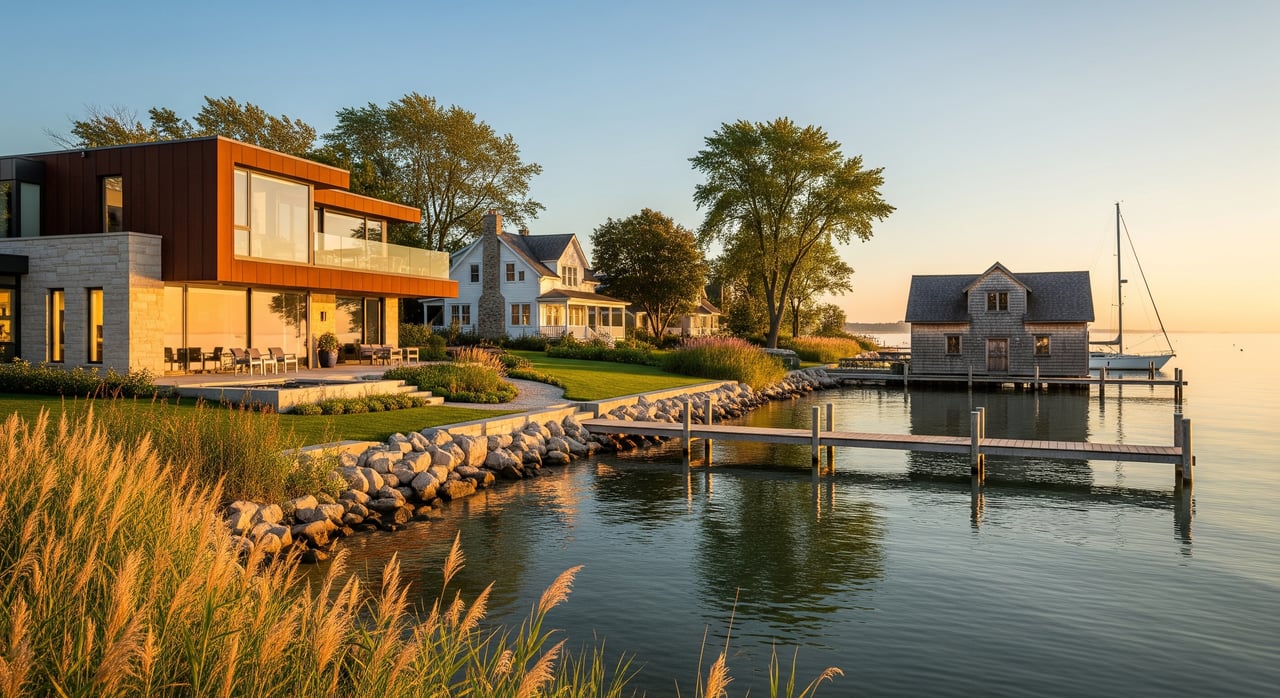
Thinking about buying or selling on the water in Port Dover but not sure which property type fits your plans? You are not alone. Waterfront here comes in many forms, each with different rules, risks, and value drivers. In this guide, you will learn how lakefront, harbourfront, canal, cottage, and rural shoreline properties compare, what to check before you write an offer, and how to protect your investment.
Let’s dive in.
Port Dover’s shoreline at a glance
Port Dover sits on the north shore of Lake Erie in Norfolk County. The shoreline ranges from the busy village harbour to open lakefront, sheltered canals and inlets, and marsh edges linked to the Long Point area. This mix creates a wide variety of property options and price points.
Lake Erie water levels can swing from year to year. Storm-driven waves, shoreline erosion, and bluff stability are real considerations. Parts of the region are ecologically sensitive, with wetlands and fish habitat that are protected by provincial and federal rules. It is wise to consult Norfolk County departments and the Long Point Region Conservation Authority for the latest mapping, setbacks, and permit requirements.
Types of waterfront properties
Lakefront homes
These are detached homes with direct frontage on Lake Erie. You may enjoy wide views, breezes, and walk-out access to the water. Ownership often extends to the high-water mark, which you should confirm by survey and title.
Key considerations:
- Shoreline erosion risk and long-term maintenance needs
- Municipal services in the village versus private well and septic in rural areas
- Building setbacks and regulated areas near the shore
- Riparian rights, public access allowances, and any easements
- Permits for docks, piers, or shoreline protection
Harbourfront properties
Harbourfront and village waterfront parcels sit near the marina, promenade, and downtown. They often have easier access to municipal water and sewer and walkable amenities. Uses may be residential, mixed-use, or commercial, depending on zoning.
Key considerations:
- Slip availability and harbour rules for boat mooring
- Flood and storm surge exposure inside the harbour basin
- Zoning and permissions for renovations or changes of use
- Noise and activity levels in peak seasons
Canal and inlet lots
These properties back onto canals, creeks, or man-made channels with more sheltered waters than open Lake Erie. Boating conditions tend to be calmer, though water depth may be shallower.
Key considerations:
- Navigability and who maintains dredging of the channel
- Setbacks, vegetation buffers, and habitat protections
- Dock permits and any restrictions on in-water works
- Seasonal water quality and mosquitoes in sheltered areas
Cottage vs year-round homes
Many Port Dover-area waterfront homes began as seasonal cottages. Some have been upgraded for year-round living, while others still need insulation, heating, and system improvements.
Key considerations:
- Code-compliant upgrades for insulation, heating, plumbing, and electrical
- Valid building permits for past additions or outbuildings
- Winter access and utility service reliability
- Insurance implications for seasonal occupancy
Boathouses and docks
Boathouses, docks, and piers range from simple floating docks to more complex structures. Rules vary by location and design, and approvals often involve multiple agencies.
Key considerations:
- Permit needs with conservation authority and possible federal reviews
- Structural condition and safety of existing docks or boathouses
- Maintenance and winterization requirements
- Navigation clearance and neighbour impacts
Vacant waterfront lots
Unbuilt parcels with lake, harbour, or canal exposure can offer a clean slate. They also come with more front-end due diligence.
Key considerations:
- Regulated area mapping, flood and erosion hazards, and dynamic beach limits
- Grading, setbacks, and building envelope size
- Servicing costs for sewer, water, electricity, and driveway access
- Shoreline protection rules and engineered design requirements
Rural shoreline parcels
Larger rural properties may combine agricultural land, natural shoreline, and wetlands. These offer privacy and potential farm or hobby uses.
Key considerations:
- Environmental constraints on wetland or habitat areas
- Municipal drain maintenance and related easements
- Compatibility with nearby agricultural operations
- Long-term stewardship and conservation opportunities
Rules and permits that shape use
Multiple layers of policy guide what you can build or repair on the water. The Long Point Region Conservation Authority regulates development in flood plains, wetlands, steep slopes, and shoreline hazard areas. Many shoreline works, including docks, boathouses, and stabilization, require conservation authority permits.
Norfolk County’s Official Plan and zoning bylaw set local setbacks, lot coverage, and permitted uses. The Provincial Policy Statement directs development away from natural hazards and protects significant wetlands. Federal departments may be involved where fish habitat or navigation is affected.
Ownership typically extends to the high-water mark, with submerged lands often owned by the Crown. Your rights include reasonable access, but not the ability to block navigation or harm habitat. A current survey and title search will clarify boundaries, easements, and any allowances along the shore.
Practical steps to stay compliant:
- Request a pre-consultation with Norfolk County planning and the conservation authority before you buy or renovate
- Confirm setbacks, building envelope, and any regulated areas on a current survey
- Keep records of all permits for docks, boathouses, and shoreline protection
- Engage qualified engineers and contractors for any stabilization work
What drives value in Port Dover
Waterfront here is scarce and highly sought after. Value varies by exposure, usability, and regulatory constraints. Open lake views, usable beach, and lawful water access tend to command premiums.
Key value drivers:
- Direct frontage, panoramic views, and length of shoreline
- Open lakefront exposure versus sheltered harbour or canal settings
- Lot size and usable building area after setbacks
- Presence and legal status of docks, slips, or boathouses
- Municipal services versus private well and septic
- Condition, age, and history of flood or erosion repairs
- Proximity to the village core, marina, and recreation
- Supply and demand in the immediate submarket
Smart due diligence for buyers
Protect your investment with a clear plan before you write an offer. Build the right conditions into your agreement and verify the legal, physical, and environmental status of the property.
Buyer checklist:
- Obtain a recent survey and full title search, including the high-water mark
- Pre-consult with Norfolk County and the conservation authority to confirm permitted uses
- Schedule septic inspection and well water testing where applicable
- Inspect boathouses, docks, and shoreline structures, and consider an engineering review
- Ask for history of flooding, erosion, shoreline repairs, and insurance claims
- Confirm marina slip access or public launch options if boating is a priority
- Get insurance quotes for overland flood, sewer backup, and wind coverage
Seller steps and disclosures
Well-organized documentation builds buyer confidence and speeds closing. Gather records early and be transparent about any work on or near the water.
Seller checklist:
- Assemble permits for shoreline works, docks, and boathouses
- Provide septic pumping records and any well reports
- Share surveys, certificates, and mapping that show regulated areas and setbacks
- Disclose erosion or flood events and related repairs
- Confirm that all structures and additions have required permits
Maintenance and long-term planning
Owning on Lake Erie means caring for shoreline structures and planning for changing conditions. A proactive strategy will lower surprises and insurance issues.
Ongoing focus areas:
- Dock, pier, and boathouse inspections, repairs, and seasonal removal or winterization
- Vegetation management and naturalized buffers for erosion control
- Scheduled septic maintenance and well testing
- Monitoring of lake levels, storm impacts, and shoreline movement
- Long-term resilience planning for setbacks and engineered protection where needed
Choosing the right fit
Match the property type to how you plan to use it and the level of maintenance you are comfortable managing.
- Choose open lakefront if views and direct access are your top priorities and you accept higher exposure to waves and erosion
- Choose harbourfront for walkable amenities, services, and potential slip access with an urban feel
- Choose canal or inlet lots for calmer boating and a more sheltered setting, with attention to dredging and depth
- Choose a renovated year-round home if you want immediate comfort, or a seasonal cottage if you plan to upgrade over time
- Choose a rural shoreline parcel for privacy and acreage, with careful environmental due diligence
If you want tailored guidance on valuation, risks, and improvements that add value in this market, connect with Alicia Haight for a local, high-touch plan that fits your goals. Book a property valuation.
FAQs
What qualifies as waterfront ownership in Port Dover?
- In Ontario, private ownership often extends to the high-water mark, so confirm the boundary and any allowances by survey and title.
Do I need a permit to install or replace a dock?
- Most new or replacement docks require conservation authority review, and some projects also trigger municipal or federal reviews.
What setbacks apply to shoreline development in Norfolk County?
- Setbacks depend on zoning and hazard mapping, so verify the building envelope with Norfolk County and the conservation authority before designing.
How can I check flood or erosion risk for a specific lot?
- Ask for conservation authority hazard maps and any available historic records, then pair that with a professional site inspection.
Can I build a boathouse on Lake Erie here?
- It depends on location, design, and environmental impact; approvals vary and some areas prohibit boathouses, so pre-consult early.
Is insurance more expensive for waterfront homes in Port Dover?
- Premiums can be higher or more limited for overland flood and wind exposure; get quotes early and confirm coverage terms.
Should I worry about wetlands or species at risk near Long Point?
- Yes, regulated wetlands and sensitive habitats can limit development, so check environmental mapping and engage qualified professionals.
What does shoreline protection typically cost to maintain?
- Costs vary by design and exposure; plan for periodic inspections, repairs, and potential engineering over the life of the structure.
How do harbourfront and canal properties compare to open lakefront?
- Harbour and canal lots offer calmer waters and services, while open lakefront offers bigger views with higher exposure to waves and erosion.