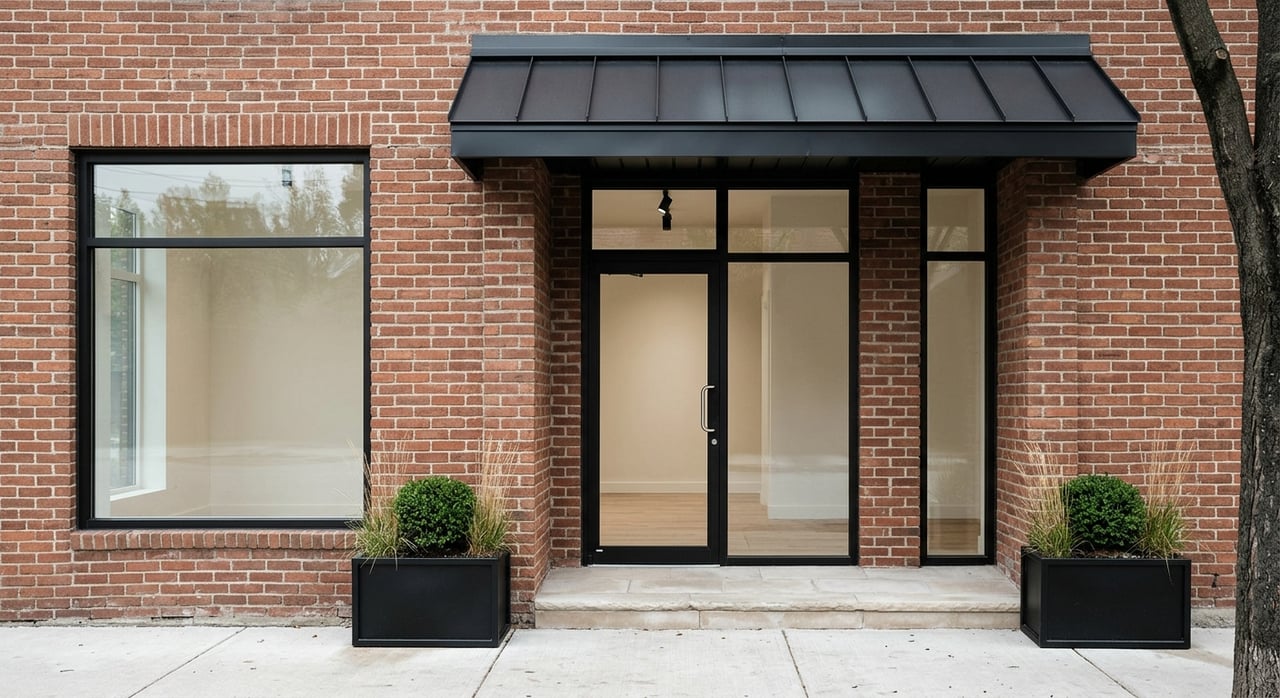
Wondering how to get a commercial property in Norwich Village ready for sale without over-improving it or creating questions that slow the deal down? If you own a storefront, mixed-use building, or small commercial asset in the village core, buyers will look closely at condition, paperwork, and what the property can legally do today. A smart pre-sale plan can help you present the building with confidence, reduce friction during due diligence, and make the opportunity easier for serious buyers to understand. Let’s dive in.
Start With Norwich Context
Selling commercial real estate in Norwich Village is not the same as selling in a large urban market. The Township of Norwich had 11,151 residents and 3,761 occupied private dwellings in 2021, according to Statistics Canada, which points to a smaller local market where visibility, relationships, and a focused buyer pool matter.
That local setting changes how you should prepare your property. Instead of relying on scale or broad market momentum, you want to make the building easy to evaluate, easy to picture in use, and easy to trust.
Downtown Norwich also has an active Business Improvement Area that works to improve and beautify the downtown and promote local shopping. That gives your property a stronger story when it sits in the village core, especially if you present it as part of an active main-street environment rather than as a standalone building.
Clarify What the Property Can Do Now
One of the most important steps before listing is confirming the property’s zoning and current permitted use. In Norwich, planning and development services are handled through Oxford County, and zoning information should be confirmed for the specific property.
For many village commercial properties, the relevant zones may be Village (V) or Central Commercial (CC). These zones allow a broad mix of uses, including retail, offices, eating establishments, service shops, personal service uses, studios, and in some cases dwelling units above or within non-residential buildings.
That said, your sale strategy should focus on what is already permitted and usable today. If you advertise speculative future uses without confirming them, you can create confusion, delay, or mistrust.
There are also details that matter within the CC zone. It requires sanitary sewer and public water service, and in the Main Street corridor between Clyde Street and Albert Street, residential use is not allowed on the ground floor.
If a buyer may want to change the use later, that should be framed carefully. The township directs owners to check zoning first, and change-of-use proposals are reviewed for zoning and Building Code compliance, with inspections before and after the use change.
Gather the Right Documents Early
In many commercial sales, paperwork shapes buyer confidence just as much as the building itself. If you wait until after the property hits the market to assemble documents, you may lose momentum when buyers start asking detailed questions.
Your goal is to create a package that shows the property has been well managed and is ready for due diligence. For an owner-occupied building, that may mean permits, utility information, tax details, and occupancy records. For an income property, it should go much deeper.
Here are the key items to organize before listing:
- Current property tax bills
- Operating statements or recent income and expense history
- A current rent roll, if tenanted
- Full executed leases and any amendments
- Tenant deposits and lease term details
- Service or maintenance contracts that affect operations
- Building permits and inspection records
- Occupancy documentation, if available
- Final approvals tied to renovations, additions, or change-of-use work
For leased property, the rent roll should clearly identify each tenant, suite, square footage, rent, lease dates, and deposits. Buyers and lenders want to verify income from records, not assumptions.
The Township of Norwich building department can also prepare property information reports for due diligence and planning purposes. That makes it worthwhile to review permits, inspections, and compliance history before the listing goes live.
Check Site Plan and Approval History
In Norwich, this step is easy to overlook but very important. The township’s site plan by-law makes the whole township a site plan control area, and the V and CC zones are included.
That means changes such as additions, parking revisions, driveway work, signage changes, or similar site alterations may have required approval and documentation. If you have made physical changes over the years, it is smart to confirm what was approved and what records are available.
If the file is incomplete or unclear, that does not always stop a sale. But it is much better to identify those issues early so you can explain them clearly, rather than having a buyer discover them midway through due diligence.
Fix the Issues Buyers Notice First
Not every repair will raise value, but some repairs protect value. In Norwich Village, the highest-priority items are usually the ones tied to basic maintenance, safety, and visible neglect.
The township’s property standards by-law points sellers toward the issues most likely to concern buyers, lenders, and inspectors. If your property has deferred maintenance in these areas, addressing it before listing can improve first impressions and reduce requests for credits or price reductions.
Focus first on:
- Roof leaks or signs the roof is not watertight
- Exterior wall damage
- Broken, deteriorated, or poorly functioning windows and doors
- Poor or unsafe lighting
- Drainage problems
- Conditions that make the building appear unsafe or neglected
These items tend to matter because they affect both usability and confidence. A buyer may accept cosmetic imperfections, but visible signs of water entry, poor maintenance, or safety concerns can make the entire property feel riskier.
Present a Vacant Building Properly
If your commercial property is vacant or partly vacant, preparation becomes even more important. Empty space can either feel like opportunity or like a problem, depending on how it is maintained and presented.
The township’s property standards by-law requires vacant buildings to be secured against unauthorized entry. It also requires roofs to be watertight, exterior walls and openings to be maintained, and common-area lighting to be safe and functional.
Before listing a vacant property, make sure you have handled the basics:
- Secure all entry points
- Replace broken glazing or damaged doors
- Confirm exterior lighting works properly
- Remove obvious debris or neglected materials
- Address visible water or drainage issues
- Keep common areas clean and safe to access
A vacant building should feel stable, not uncertain. When a buyer walks through, you want them thinking about potential and layout, not immediate risk.
Improve the Storefront Without Erasing Character
In Norwich Village, storefront presentation matters. The village core includes buildings with long-standing commercial and civic significance, and the township’s heritage work highlights the importance of character, façade quality, and streetscape fit.
That does not mean every commercial property is heritage-designated, but it does mean buyers will often respond well to buildings that feel authentic and well cared for. In this setting, restrained upgrades usually work better than generic overhauls.
Consider practical improvements such as:
- Fresh paint in worn exterior areas
- Cleaner windows and glazing
- Repaired or tidied signage
- Brighter, functional lighting
- Minor storefront detail repairs
- Cleaner entryways and more polished first impressions
The goal is not to strip away what makes the building feel like Norwich. The goal is to show that the property belongs in the village streetscape and has been maintained with care.
Tailor the Sale Story to the Buyer
A strong commercial listing does more than describe the building. It helps the right buyer quickly understand why the property fits their goals.
If your likely buyer is a local entrepreneur or owner-occupant, emphasize usability. They will want to know what the building can support now, how easy it is to occupy, and how much work is left before opening or operating.
For that buyer, the strongest talking points often include:
- Current permitted use
- Turnkey or near-turnkey condition
- Storefront visibility and village-core presence
- Clear occupancy path
- Straightforward building layout
If your likely buyer is an outside investor, the message should be more financial and documentation-driven. That buyer will care more about rent roll quality, lease structure, expense history, capital improvements, and compliance records.
For an investor audience, preparation should highlight:
- Stable or well-documented income
- Lease terms and renewal structure
- Expense history
- Capital expenditure history
- Permit and compliance records
- The property’s position within the downtown commercial environment
Be Careful With Future Potential
Potential can help a sale, but only when it is presented credibly. In Norwich, the safest approach is to separate current reality from possible upside that may require approvals.
That means your listing narrative should clearly show what the property is today, how it performs today, and what uses are already supported by zoning. If there may be redevelopment, mixed-use, or repositioning potential, that should be framed as something a buyer can explore after confirming zoning, site plan requirements, and code compliance.
This matters because Oxford County and the township both emphasize checking zoning and building requirements before work starts. A measured, factual approach builds trust and protects you from overpromising.
Position the Property Within Oxford County
Even though Norwich is a smaller market, your property should not be framed as isolated. Oxford County’s economic development work supports business growth with municipal partners, and Rural Oxford Economic Development helps businesses navigate development across the rural townships, including Norwich.
For sellers, that broader context can be helpful. It supports a listing story that presents the building as part of a wider business environment while still keeping the focus on the property’s current use, condition, and village-core fit.
That balance is often what works best in Norwich Village. Buyers want a building that feels understandable now, with enough supporting context to see why the location matters over time.
Your Pre-Sale Checklist
Before you bring a Norwich Village commercial property to market, work through this short checklist:
- Confirm the exact zoning and currently permitted uses
- Verify whether past site changes required approvals and gather records
- Assemble taxes, permits, inspection history, and occupancy-related documents
- Prepare a full lease and financial package if the property is tenanted
- Repair visible maintenance and safety issues first
- Secure and clean any vacant areas
- Refresh the storefront with practical, character-conscious improvements
- Build a listing narrative around current usability, documentation, and credible upside
When you prepare the property this way, you make it easier for buyers to say yes. You also put yourself in a better position to defend value during negotiations.
If you are thinking about selling a commercial property in Norwich Village, Alicia Haight can help you evaluate condition, positioning, and market strategy so your sale is presented with clarity and confidence.
FAQs
What should you fix before selling a commercial property in Norwich Village?
- Focus first on roof leaks, exterior damage, broken windows or doors, poor lighting, drainage issues, and any condition that makes the property look unsafe or neglected.
What documents do buyers want for a Norwich Village commercial sale?
- Buyers commonly want tax bills, operating statements, a current rent roll, leases and amendments, deposit details, contracts, permits, inspection records, and occupancy-related documentation where available.
What zoning matters most for a Norwich Village commercial property sale?
- The most important step is confirming the property’s exact zoning and current permitted uses, especially if it is in the Village (V) or Central Commercial (CC) zone.
Can you advertise future redevelopment potential for a Norwich Village building?
- You should focus on what is currently permitted and separate any future upside from uses or changes that would still need zoning, site plan, or Building Code review.
How should you prepare a vacant commercial building in Norwich Village for sale?
- Secure the building, maintain watertight and functional exterior elements, ensure lighting is safe and working, and keep the property clean so it feels stable and ready to evaluate.
How do you market a Norwich Village commercial property to the right buyer?
- For owner-occupants, emphasize current usability and ease of occupancy. For investors, highlight rent roll quality, lease structure, expense history, and compliance records.