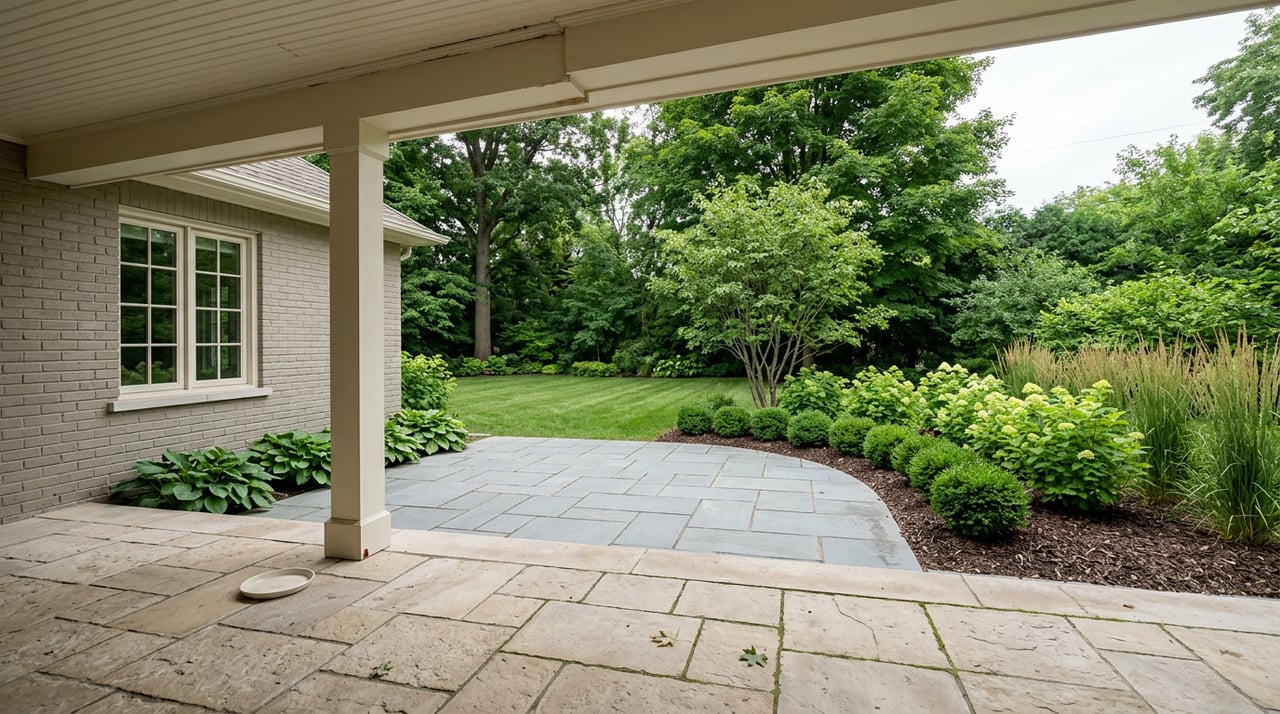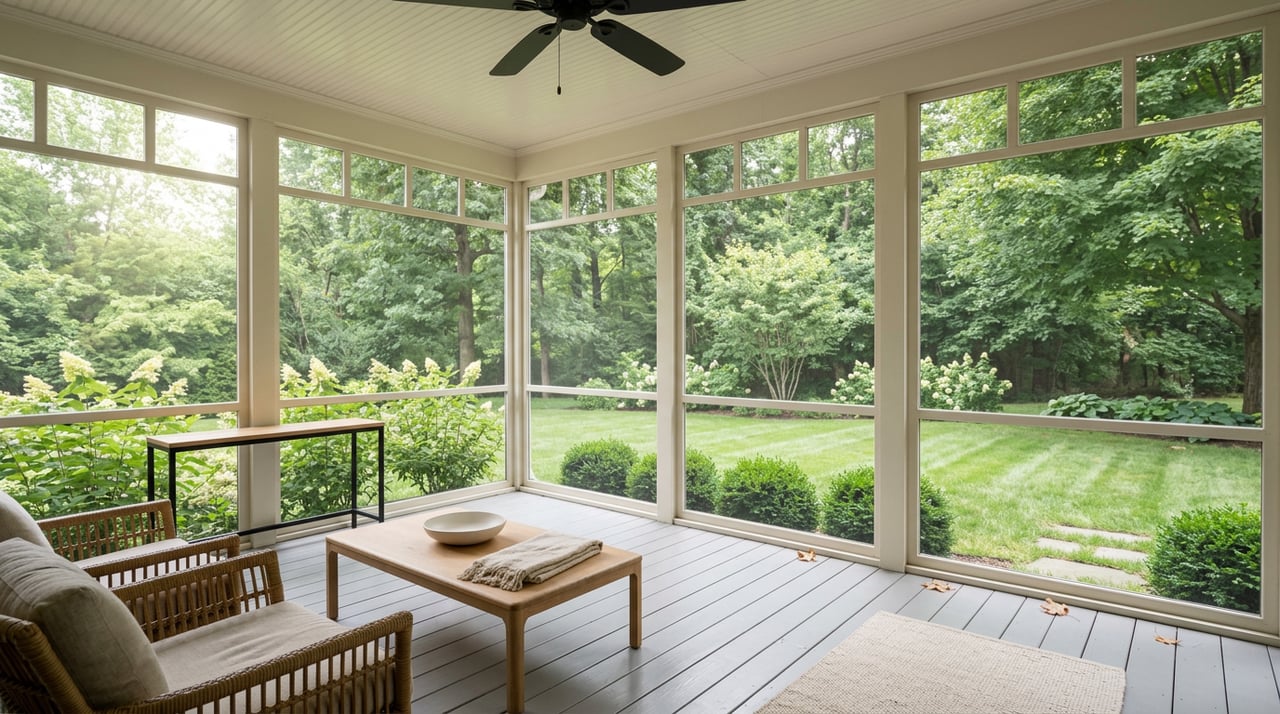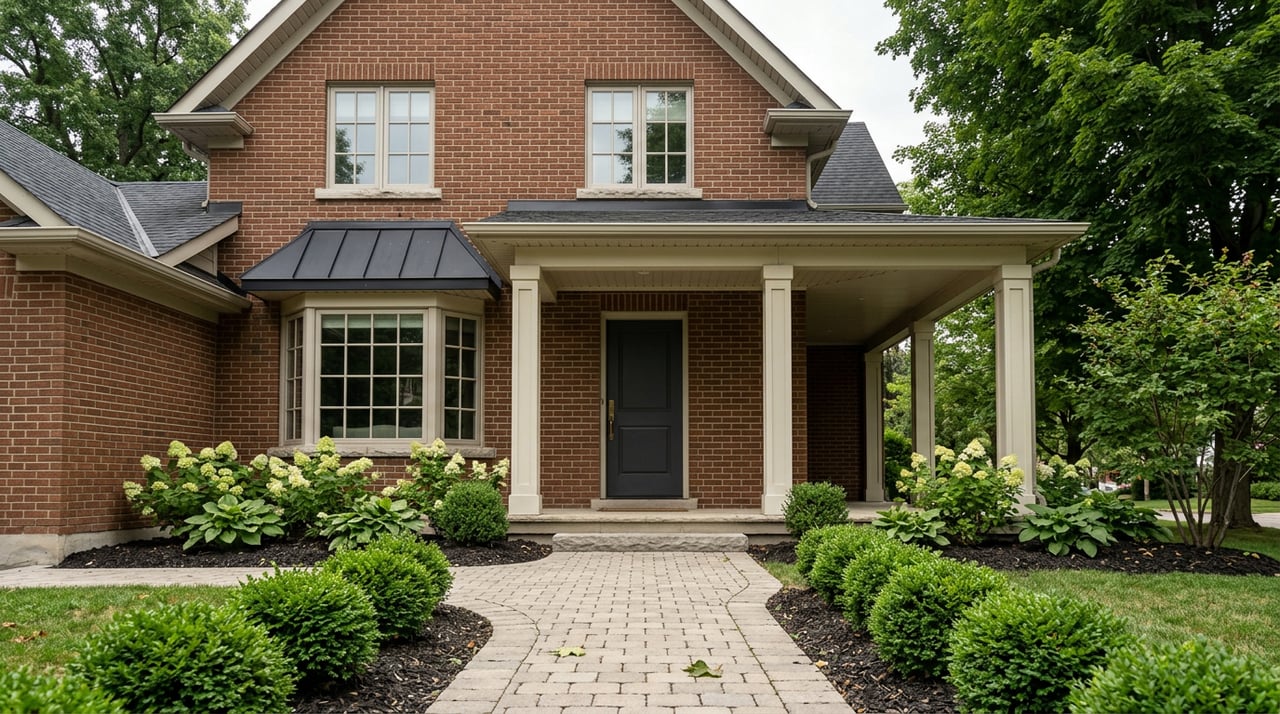
Dreaming of space for gardens, horses, or a small flock close to Kitchener–Waterloo and the GTA? If you are eyeing a hobby farm in Puslinch’s N0B area, a little due diligence goes a long way. Rural properties work differently than city lots, and the smartest buyers verify zoning, regulated areas, and on-site systems before falling in love. This guide gives you a step-by-step checklist for touring days and offer periods so you can move forward with confidence. Let’s dive in.
Start with zoning and use rights
Before you picture animals or a new shop, confirm what the land and buildings can legally support.
- Check the County of Wellington’s Official Plan and zoning layers using the Explore Wellington maps. Start here to see the parcel’s zoning and designations. You can access mapping through the County’s resource hub at the County of Wellington maps page.
- Puslinch’s Zoning By-law controls permitted uses and setbacks. Because site-specific exceptions can change what is allowed on a single lot, request written confirmation from Township planning staff. Start with the Township’s Planning and Development page for contacts and CloudPermit access for applications and status.
- If you plan an accessory dwelling, more stalls, or a larger shop, ask the Township if the use is permitted as-of-right or if you need approvals. Written verification early can save time later.
Map regulated areas early
Parts of Puslinch fall within conservation and source-water protection zones. These can add permits or limit where you build.
- Use the GRCA Map Your Property tool to see if the lot overlaps floodplains, valleys, wetlands, or other hazard lands. Any work in a regulated area needs a GRCA permit in addition to municipal permits.
- Some properties sit inside wellhead protection areas where septic inspections occur on a five-year cycle. Confirm if the parcel is within a vulnerable area and whether a recent inspection applies using the Wellington Source Water program page.
Livestock rules you must check
If you keep or expand animals, two provincial tools matter.
- Minimum Distance Separation (MDS). MDS sets the required setback between livestock facilities or manure storage and sensitive uses like homes. Ask the Township to run MDS for your plans or use the provincial guidance to understand how it may affect building envelopes. Learn more on Ontario’s MDS page.
- Nutrient Management. Small hobby operations often fall below threshold sizes, but formal manure storage or larger numbers can trigger a nutrient management plan. Review Ontario’s nutrient management guidance and confirm thresholds before you invest in new facilities.
Verify services and systems
Rural properties rely on private systems and utility capacity that you need to confirm.
Building permits and accessory structures
- Puslinch requires building permits for most new buildings and many alterations. A detached storage shed with no plumbing is exempt only if it is 15 m² or less. Larger sheds, barns, or shops require permits. Review local guidance on the Township’s Building and Renovation page and ask for permit records for all outbuildings.
Septic systems
- Septic is critical. Puslinch requires permits for new, repaired, or altered systems. The Township’s On-Site Sewage System guide outlines the process, including a qualified designer for Class 4 systems, test pits, and staged inspections. Holding tanks are not permitted. Ask for design and installation records, maintenance history, and the last pump-out. If records are missing, make a licensed inspection a condition of your offer. See the Township’s septic handout for details.
- If the property lies in a vulnerable area under the Wellington Source Water program, there may be mandatory five-year inspections. Request the most recent report.
Wells and water quality
- Many Puslinch hobby farms use private wells. Obtain recent bacteriological test results and ask about nitrate testing, especially if infants or pregnant women are in the household. Wellington-Dufferin-Guelph Public Health offers free basic bacterial testing and guidance. Review their well water advice before you buy.
- Ask for the well construction record, pump details, and any past flow or yield tests.
Electricity, gas, and locates
- Confirm the electrical service size and whether three-phase power is available if you plan to run heavy shop equipment. Upgrading transformers or panels can be a surprise cost.
- Natural gas in Puslinch is provided by Enbridge. If you plan new service or excavation, book utility locates through Ontario One Call and confirm connection costs and capacity with the distributor.
Broadband
- Fibre coverage in Puslinch is improving but remains street-by-street. Do not assume full-fibre service for every road. Check the Township’s fibre internet initiatives page and confirm availability to the exact civic address.
Tour-day checklist: what to look for
Bring a notepad and take photos. Small clues can signal big-ticket items.
- Septic and drainage. Look for tank lids, wet patches near the leaching bed, or unusually lush grass lines that could point to failure. Note surface drainage and spring wet spots that may affect pastures and septic health. See the Township’s septic handout for context.
- Well and water. Inspect the well head for clear access and protection from surface water. Note its distance from the septic system and any treatment equipment in the home. Review water testing guidance from public health.
- Barns and shops. Scan roofs and frames for sagging, patchwork repairs, and missing cladding. Ask about electrical inspection records. For older shop panels, plan for a certified electrician or ESA inspection.
- Fencing and paddocks. Count paddocks, check fencing condition, and assess shelter for animals. Confirm truck access to hay storage and where hay and equipment can be delivered or turned around.
- Access and roads. Confirm who plows and maintains the road in winter. Note culvert locations and driveway width for trailers and feed trucks.
- Surroundings. Observe nearby aggregate pits, large livestock barns, or industrial uses that could create odour, noise, or traffic. Use County mapping to review active applications in the area.
Offer-period due diligence
Protect your investment with targeted conditions and documents.
- Written zoning verification. Ask the Township to confirm permitted uses and any site-specific exceptions. Start with the Planning and Development page.
- Regulated areas. Get confirmation from GRCA and the Township if your planned improvements may require permits or if regulated features affect building locations. Use the GRCA Map Your Property tool as a first check.
- Septic inspection. Make a licensed septic inspection a condition. Require a report with photos and, if needed, a replacement-cost estimate. The Township’s septic handout lists required components.
- Well testing. Require a satisfactory bacteriological test and a nitrate test, plus a flow test within a set timeframe. Review public health guidance beforehand.
- Survey and title. Order a recent survey to confirm boundaries, driveways, and setbacks. Ask your lawyer to search for easements, right-of-ways, restrictive covenants, and any outstanding municipal orders or open permits.
- Environmental review. If there is evidence of fuel tanks, chemical storage, former pits, or prior industrial use, require a Phase I ESA. If warranted, proceed to Phase II sampling during the conditional period.
Red flags to escalate fast
Certain findings warrant immediate expert review or renegotiation.
- Missing septic permits or visible failure signs such as soggy ground or odour.
- No well records combined with reports of odour or discoloured water.
- The lot overlaps a GRCA regulated floodplain or watercourse setback that limits your planned shop, arena, or addition.
- Active or proposed aggregate operations close by, or many open planning or zoning files affecting the area.
Plan ahead for improvements
Thinking about adding stalls, a new shop, or an accessory dwelling after closing? Plan approvals in the right order.
- Confirm zoning permissions and setbacks with the Township. The Planning and Development page explains contacts and CloudPermit access for applications.
- Run an MDS check early if livestock facilities are involved. Even small expansions can be affected by setbacks. See provincial MDS guidance.
- If any work touches hazards or water features, consult GRCA first. Use the GRCA map to see regulated areas and discuss permit requirements.
- For larger changes that may trigger site plan control or engineered grading, consider a planning or engineering consultant to coordinate Township and GRCA reviews.
Who to call
- Township planner or zoning officer for permitted uses, accessory dwellings, and site-specific exceptions. Start with Puslinch Planning and Development.
- Qualified septic designer and licensed installer for inspections, designs, and compliance. See the Township septic handout for required steps.
- Certified well contractor or hydrogeologist for well logs, static level, and yield tests, aligned with public health testing guidance.
- Structural engineer and a certified electrician for large barns, wide-span shops, and older electrical systems.
- Environmental consultant for ESA screening if fuel tanks or past industrial uses are suspected.
- Ontario One Call for utility locates before any excavation.
- Surveyor and real estate lawyer for boundaries, easements, and clean title.
Quick pre-offer questions to ask
Use these questions to focus your early due diligence.
- What is the exact municipal address and roll number for mapping and permit pulls? Check the County mapping resource.
- What zoning applies and are there site-specific exceptions or recent planning files? Confirm with the Township.
- Is any part of the parcel in a GRCA regulated area or a source-water protection zone with mandatory septic inspections? Use the GRCA map and Wellington Source Water program.
- Septic details. Age, type, installer, pumping and maintenance records, and the Class 4 design if available. See the Township septic handout to know what to request.
- Well details. Construction record, last bacteria and nitrate tests, pump information, and any flow test.
- Utilities. Electrical panel size and three-phase availability, natural gas provider, and verified broadband options to the civic address. Check building guidance and the Township’s fibre page.
- Outbuildings. Permits on file, age, any structural reports, and any evidence of hazardous materials like older light ballasts or oil tanks.
Your next step
Buying a Puslinch hobby farm can be smooth and rewarding when you confirm zoning, map regulated areas, and vet septic and wells with care. With the right conditions and experts on your side, you protect your lifestyle plans and your budget. If you want tailored guidance on a specific N0B property or a walkthrough of this checklist for your short list, connect with Alicia Haight for white-glove, local support from search to close.
Contact Alicia Haight to start your Puslinch hobby farm purchase with confidence.
FAQs
What should I check first when buying a Puslinch hobby farm in N0B?
- Start with zoning and Official Plan mapping, then check for GRCA regulated areas and source-water protection zones. Use the County mapping, GRCA map, and Wellington Source Water resources.
How do I know if my planned barn or shop is allowed in Puslinch?
- Ask Township planning to confirm permitted uses and any site-specific exceptions in writing. Begin with the Township’s Planning and Development page and verify setbacks and approvals before you commit.
Are septic systems a big risk on rural properties in Wellington County?
- Yes. Require records and a licensed inspection. Puslinch’s septic handout explains permits, design requirements, and that holding tanks are not permitted.
Do I need to worry about livestock setbacks on a small hobby farm?
- Possibly. Ontario’s MDS rules apply to many new or expanded buildings near livestock facilities or manure storage. Review the provincial MDS guidance and ask the Township to calculate setbacks for your plans.
How can I confirm well water quality before I buy in Puslinch?
- Obtain recent bacteriological tests and add a nitrate test. Public health offers free basic bacterial testing and guidance. Also ask for the well construction record and consider a flow test.
Is high-speed internet available on all Puslinch rural roads?
- Coverage varies by street. Check the Township’s fibre initiatives and confirm service availability to the exact civic address. Do not assume fibre on every road.